
If you’re looking at a Dubai to Romania Holiday Package and wondering whether it’s worth stepping beyond cities like Bucharest or Brașov—the answer is yes. Romania’s real character lives in its villages. Not the curated, staged kind. The lived-in ones. Wooden gates, slow mornings, people who still wave as you pass.
But here’s the thing: not all villages feel “authentic” anymore. Some are polished for tourism. Others are quietly holding onto traditions without trying to impress you. Knowing the difference makes your trip.
I’ve spent time moving between regions—Maramureș, Transylvania, Bucovina—and the best experiences weren’t planned highlights. They were small, unfiltered moments. Let’s get into the villages that actually deliver.
1. Viscri: Famous for a Reason (But Go Early)
Viscri is probably Romania’s most talked-about village, partly because of King Charles III and his restoration efforts here.
It’s not hidden. You’ll see tourists. But it still works—if you time it right.
What makes Viscri stand out isn’t just the white fortified church. It’s the rhythm. Horse carts, quiet lanes, homes painted in soft pastels.
I arrived mid-afternoon once. Busy. A bit too polished. Stayed overnight—and by morning, it felt completely different. Locals tending gardens, no crowds, just stillness.
What to do:
- Visit the fortified church (simple, not overdone)
- Walk the village without a plan
- Stay overnight if you can
Where it goes wrong: Day-tripping only. You’ll miss the quiet side of Viscri.
2. Breb: Where Life Still Moves Slowly
In the Maramureș region, Breb feels less curated. Less aware of tourism.
Wooden houses. Hand-carved gates. Locals working fields the same way they have for generations.
I stayed in a small guesthouse run by a family who didn’t speak much English. Didn’t matter. Meals were shared. Conversations were simple. It felt real.
This is where you start to understand Romanian village life—not as a concept, but as something ongoing.
What to expect:
- Limited Wi-Fi
- Early mornings
- A slower pace than you’re used to
Most people miss this: Walking beyond the main road. That’s where the village opens up.
3. Ciocănești: Quiet, Artistic, Unexpected
Up in Bucovina, Ciocănești stands out for its painted houses. Geometric patterns on nearly every home.
At first, it sounds gimmicky. It’s not.
The designs are traditional, not decorative for tourists. The village feels cohesive, not staged.
It’s also less visited than Maramureș or southern Transylvania, which helps.
I spent an afternoon just walking. No crowds. A few locals curious about why I was there. That’s usually a good sign.
Best for:
- Quiet exploration
- Photography without crowds
- A different visual style of Romanian villages
4. Rimetea: Clean, Scenic, Slightly Too Perfect
Rimetea is one of the most visually striking villages in Romania. White houses, green shutters, mountain backdrop.
It’s beautiful. No question.
But it’s also more maintained, more polished. You’ll notice that.
Still worth visiting—but go in with the right expectations.
I arrived on a weekend. Busier than expected. Came back early the next morning—completely different experience.
What stands out:
- The setting (Trascău Mountains)
- Clean, uniform architecture
- Easy access from Cluj-Napoca
Where trips often go wrong: Expecting it to feel untouched. It’s not. It’s refined.
5. Șirnea: Simple and Overlooked
Șirnea doesn’t get as much attention as it should.
Located near Bran (yes, the Dracula castle area), but far enough to avoid the crowds.
It’s one of those villages where nothing specific “happens”—and that’s exactly the point.
Rolling hills. Scattered houses. Quiet trails.
I remember walking here at sunset, no one around, just the sound of wind and distant animals. It felt far removed from the tourist-heavy areas nearby.
Best for:
- Walking
- Disconnecting
- Pairing with a visit to Bran without staying in Bran
6. Biertan: History Without the Chaos
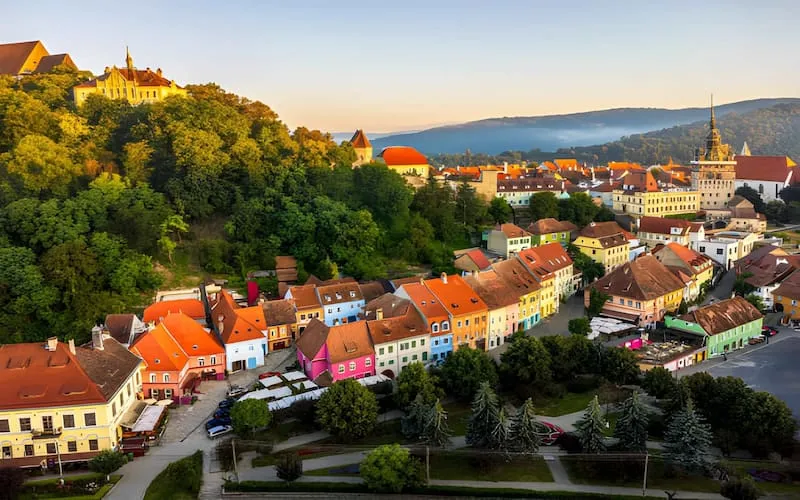
Biertan is known for its fortified church, a UNESCO site. But unlike bigger spots like Sighișoara, it doesn’t feel overrun.
The village is small, structured around the church, with a calm atmosphere.
It’s not as “raw” as Breb, but it strikes a balance—accessible, but not overcrowded.
Good for:
- A short stop or overnight stay
- Combining with other Transylvanian villages
Getting Around: Where It Gets Tricky
Romanian villages are not always easy to reach.
Public transport exists—but it’s limited, slow, and not always reliable for smaller places.
This is where many trips fall apart.
Best options:
- Rent a car (most flexible)
- Hire a local driver
- Join small guided routes (if you don’t want to plan logistics)
Distances might look short on a map. Travel time says otherwise.
When to Visit
Timing changes everything.
- Spring (April–June): Green landscapes, fewer tourists
- Summer (July–August): Warm, but busier
- Autumn (September–October): Probably the best balance
- Winter: Beautiful, but some villages feel isolated
I personally prefer early autumn. The pace feels just right.
Where Authentic Travel Goes Wrong
A few honest observations:
- Trying to visit too many villages in one trip
- Treating villages like quick photo stops
- Not staying overnight anywhere
- Expecting comfort levels similar to cities
Authentic travel here requires time and patience. You don’t rush it.
Final Thoughts
Romania’s villages aren’t about ticking boxes. They’re about noticing small things—how people live, how time feels different, how quiet can actually be interesting.
If you’re planning a Dubai to Romania Holiday Package, make room for at least one or two villages. Not five. Not rushed.
Pick a region. Stay longer. Walk more.
That’s where Romania starts to feel real.
FAQs
1. Which region in Romania is best for villages?
Maramureș is the most traditional. Transylvania offers easier access and variety.
2. Are Romanian villages safe for travelers?
Yes, very safe. Crime is low, especially in rural areas.
3. Do people in villages speak English?
Not always. Basic communication is possible, but expect language gaps.
4. How many days should I spend exploring villages?
At least 2–4 days if you want a meaningful experience.
5. Is it better to rent a car in Romania?
Yes. It gives you flexibility and access to remote villages.
6. Are accommodations available in villages?
Yes—mainly guesthouses and family-run stays.
7. What’s the biggest mistake travelers make?
Rushing through villages without staying overnight or engaging with local life.



















Sign in to leave a comment.