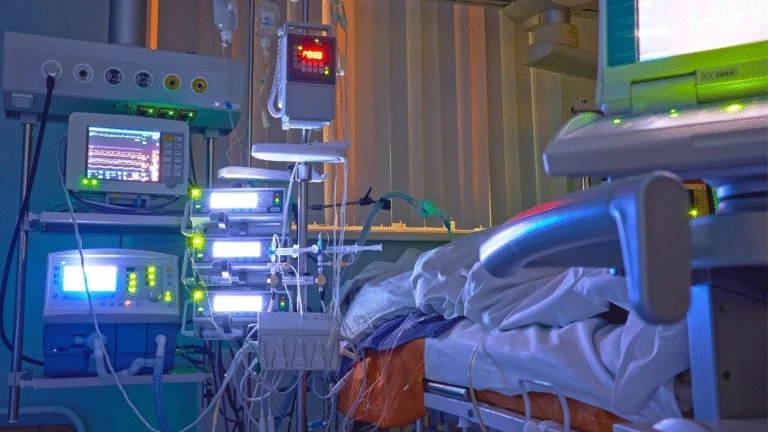

When a medical emergency occurs, the quality of an Intensive Care Unit (ICU) becomes the most critical factor in saving lives
Why ICU Setup Matters in Critical Care
Critically ill patients require continuous observation, organ support, rapid diagnosis, and fast intervention. A well-designed ICU provides access to lifesaving technologies, expert specialists, and structured clinical care pathways that ensure timely and precise treatment.
The difference between a basic ICU and an advanced ICU setup is significant – advanced ICUs are designed to prevent complications, reduce medical errors, and improve recovery outcomes.
Advanced Monitoring & Life-Support Systems
Top ICUs are equipped with:
● High-end ventilators
● Continuous ECG monitoring
● Infusion & syringe pumps
● Point-of-care diagnostics
● Dialysis & CRRT support
These systems help stabilize patients suffering from cardiac emergencies, trauma, respiratory failure, sepsis, stroke, and post-operative complications.
Smart ICU / Tele-ICU Integration
With NIAC Tele-Smart ICU technology, ICUs across Delhi NCR gain access to 24x7 remote monitoring by intensivists. Patient vitals, live imaging, and ventilator parameters are transmitted securely to command centers where experts monitor trends and guide bedside teams.
This reduces the burden on hospitals, ensures continuous supervision, and strengthens decision-making – especially during night shifts, staffing limitations, or high patient loads.
What Makes NIAC-Supported ICU Setups Special?
● Expert intensivist oversight
● Real-time monitoring dashboards
● Rapid decision-making
● 24x7 Tele-ICU support
● Enhanced communication
● Lower complications and mortality rates
● Better patient & family confidence
NIAC strengthens ICUs across Delhi NCR by ensuring that every critical patient receives expert attention at all times.
































Sign in to leave a comment.