A decade ago, most people viewed aesthetic treatments as an extension of beauty services. Facials, skin treatments, and cosmetic procedures were often grouped into the same category, with little distinction between where treatments were performed and who was providing them.
Today, that mindset is changing.
Patients are becoming more informed about the treatments they choose and the professionals performing them. They're asking more questions, researching qualifications, and paying closer attention to safety standards before booking appointments.
As a result, many people are actively seeking a medical aesthetic clinic rather than a traditional beauty salon when considering aesthetic treatments.
The reason isn't simply about access to more treatments. It's about the quality of assessment, the depth of medical knowledge, and the confidence that comes from receiving care in a clinical environment.
The Difference Starts Before Any Treatment
One of the biggest differences between a beauty salon and a medical aesthetic clinic becomes apparent before treatment even begins.
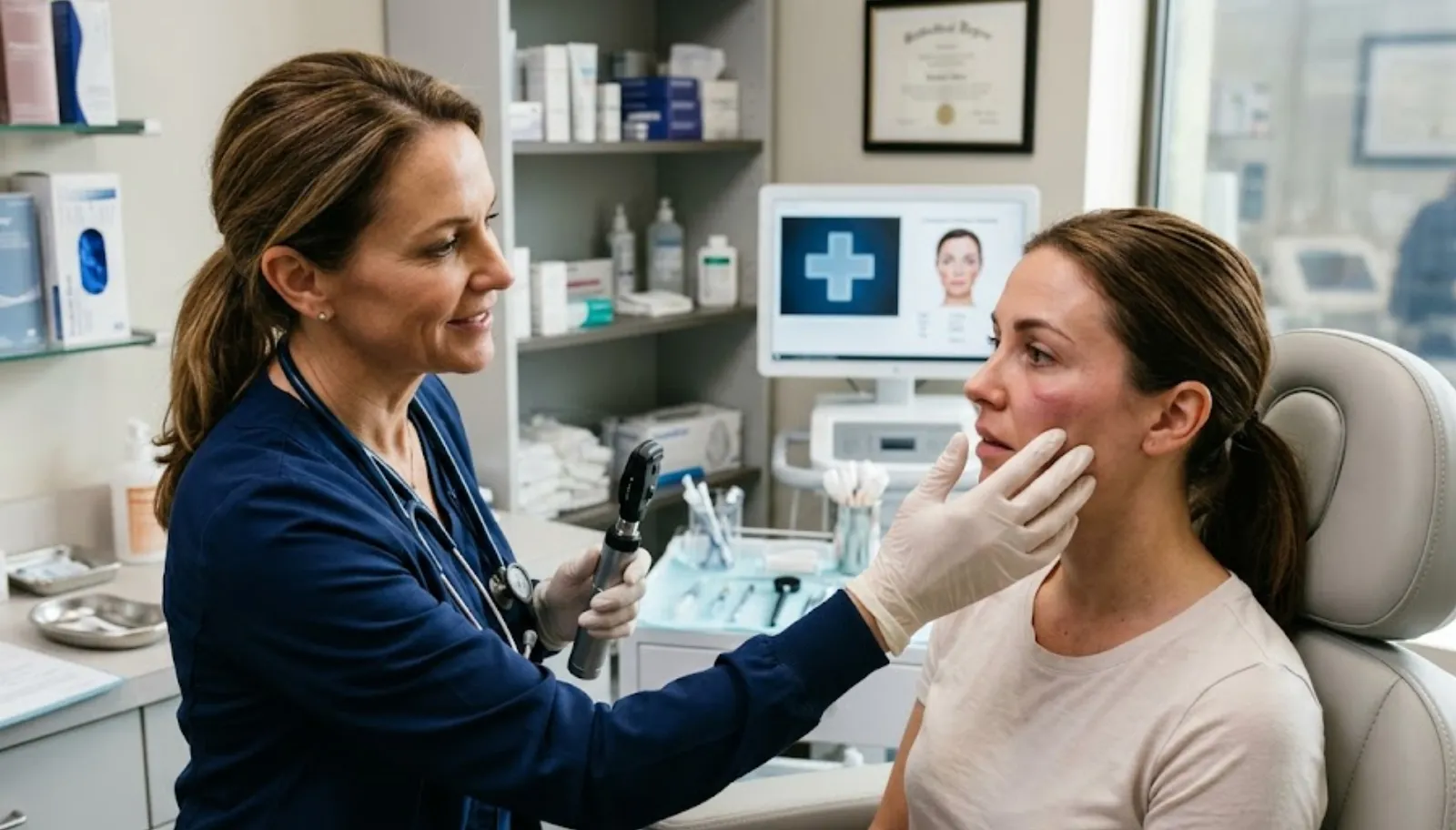
A reputable clinic will typically start with a detailed consultation designed to understand the patient's concerns, expectations, medical history, and overall suitability for treatment.
This process is often more comprehensive than people expect.
Rather than immediately recommending a procedure, experienced practitioners spend time assessing what is actually causing the concern. A patient may believe they need a specific treatment when the underlying issue is something entirely different.
Understanding what to expect during a cosmetic consultation can help patients appreciate why this assessment stage plays such an important role in achieving safe and appropriate outcomes.
Aesthetic Treatments Have Become More Complex
Modern aesthetic medicine has evolved significantly over the past decade.
Many treatments now involve a detailed understanding of facial anatomy, skin physiology, ageing patterns, and complication management. Even treatments that appear straightforward on social media often require careful planning and clinical judgement.
This doesn't mean aesthetic procedures are inherently unsafe. However, it does highlight the importance of choosing practitioners who understand both the cosmetic and medical aspects of treatment.
A medically led environment allows treatment decisions to be based on clinical assessment rather than trends, making it easier to create personalised plans that reflect individual needs.
Skin Health Is Becoming a Bigger Priority
Another reason patients are choosing medically led clinics is the growing focus on skin health rather than simply treating visible concerns.
Years ago, many aesthetic conversations centred almost exclusively on wrinkles or facial volume. Today, practitioners are increasingly looking at the overall condition of the skin and how it contributes to a person's appearance.
For example, patients concerned about looking tired may discover that hydration, skin texture, or collagen loss are playing a bigger role than they initially realised.
This shift has encouraged more people to explore treatments aimed at improving skin quality. Many patients begin researching what skin boosters are when looking for ways to improve hydration and skin health without dramatically altering their appearance.
The focus is often less about transformation and more about helping the skin function and look its best.
Prevention Is Replacing Correction
One of the most interesting developments in modern aesthetics is the move towards prevention.
Rather than waiting for concerns to become significant, many patients now seek professional advice earlier. The goal is not necessarily to stop ageing but to support healthier skin and maintain natural-looking results over time.
This philosophy reflects the broader shift from reactive treatment to proactive care.
The concept of correction to prevention in aesthetic medicine has become increasingly relevant as patients look for long-term strategies rather than quick fixes.
For many people, this approach feels more realistic and sustainable than trying to reverse years of accumulated skin changes all at once.
Safety Matters More Than Ever
Most patients understand that safety is important, but many don't realise how much happens behind the scenes to support it.
Safety isn't only about managing complications if they occur. It starts with selecting appropriate patients, recognising contraindications, understanding anatomy, and knowing when treatment may not be the best option.
A good practitioner is not simply someone who can perform a treatment.
It's someone who understands when a treatment should be avoided, delayed, or replaced with a more suitable alternative.
That level of judgement often comes from experience, training, and a strong clinical foundation.
The Future of Aesthetic Care
The growing popularity of the medical aesthetic clinic model reflects a broader change in patient expectations.
People are becoming less interested in dramatic transformations and more interested in achieving healthy, natural-looking outcomes that fit their lifestyle and goals.
They want honest advice, realistic expectations, and treatment plans designed around their individual needs rather than the latest trend.
As aesthetic medicine continues to evolve, that emphasis on personalised care is likely to become even more important.
Conclusion
The choice between a beauty salon and a medical aesthetic clinic is about more than where a treatment takes place. It is about the quality of assessment, the level of expertise involved in decision-making, and the overall approach to patient care.
As treatments become more advanced and patient expectations continue to rise, medically led clinics are increasingly valued for their focus on safety, personalised planning, and long-term skin health. For many patients, that combination provides greater confidence and ultimately leads to better-informed treatment decisions.
Frequently Asked Questions
What is a medical aesthetic clinic?
A medical aesthetic clinic is a healthcare-led environment that provides non-surgical aesthetic treatments alongside clinical assessment, treatment planning, and patient safety oversight.
Why choose a medical aesthetic clinic instead of a beauty salon?
Medical aesthetic clinics typically offer a higher level of clinical assessment, personalised treatment planning, and medical expertise, particularly for advanced aesthetic procedures.
Are treatments safer in a medical aesthetic clinic?
Safety depends on many factors, but medically led clinics generally have stronger processes for patient assessment, risk management, and complication recognition.
Do I need a consultation before aesthetic treatment?
Yes. A consultation helps determine whether a treatment is appropriate for your concerns, medical history, and expectations while ensuring you understand potential risks and outcomes.
Can a medical aesthetic clinic help with preventative ageing?
Many clinics now focus on preventative approaches that support skin health, collagen production, and overall skin quality before more significant age-related changes develop.




























Sign in to leave a comment.