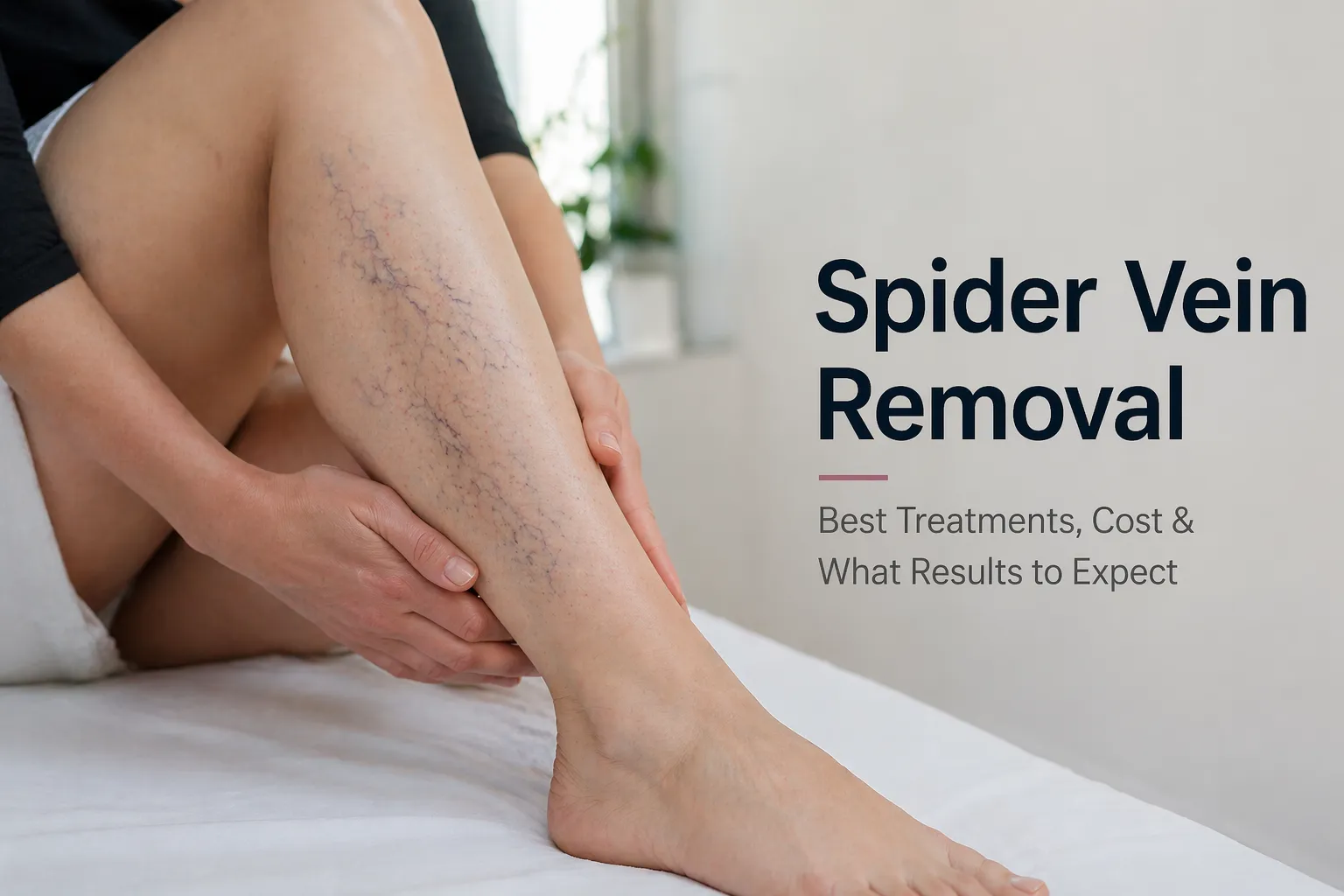
Small red, blue, or purple veins on the legs or face can be frustrating—especially when they become more visible over time. While usually harmless, many people seek spider vein removal because they dislike the cosmetic appearance or feel less confident showing their skin.
One of the biggest misconceptions is that these veins only affect older people. In reality, spider veins can appear at many ages and are influenced by genetics, hormones, lifestyle, pregnancy, sun exposure, and circulation changes.
The good news is that modern treatments can often improve them significantly without surgery. The key is choosing the right option based on where the veins are, how visible they are, and your skin type.
What Are Spider Veins?
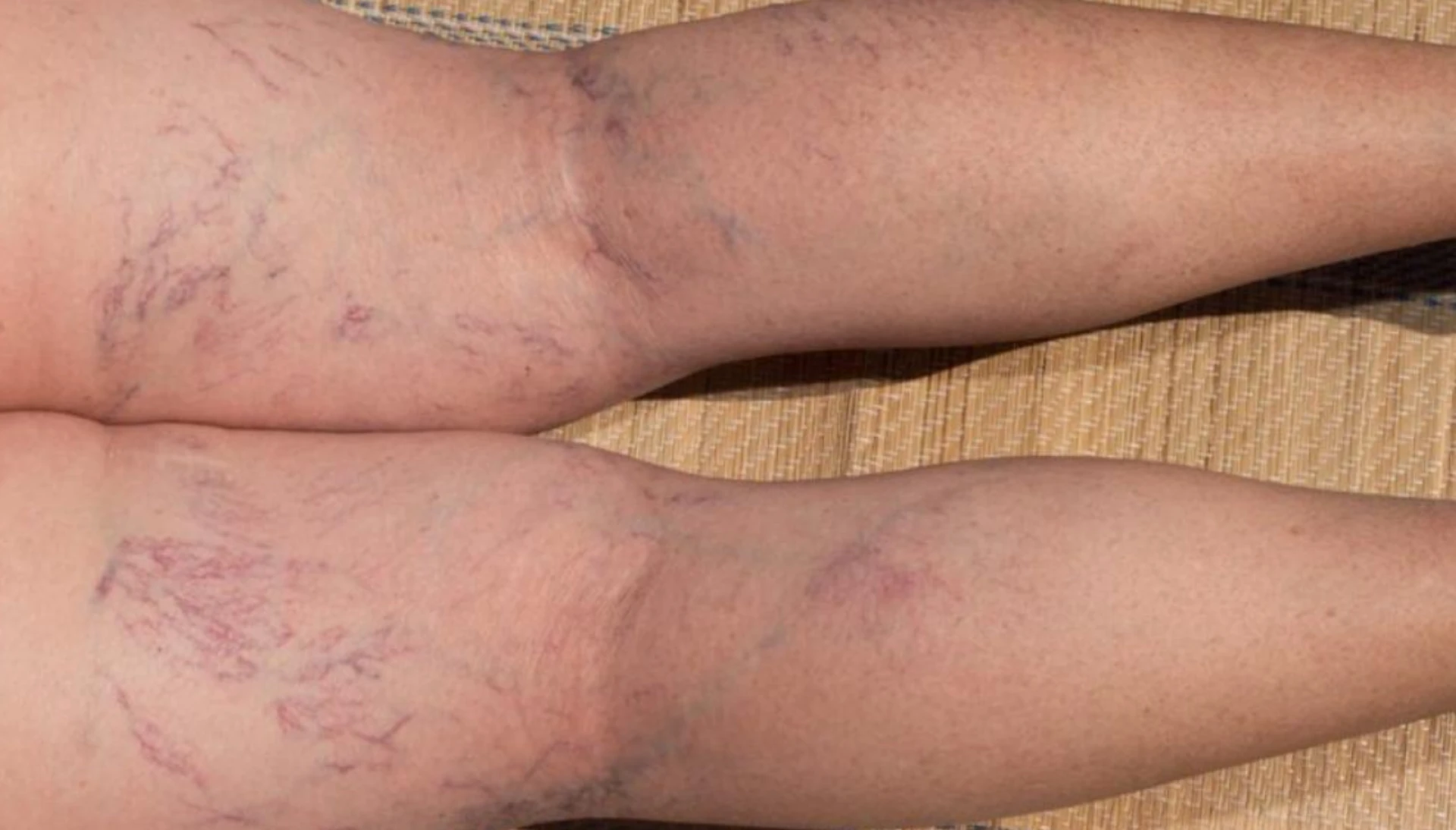
Spider veins are small surface blood vessels that become visible through the skin. They often look like fine lines, webs, or branches.
They commonly appear on:
- Legs
- Thighs
- Ankles
- Around the nose
- Cheeks
Some people call them thread veins, broken capillaries, or small visible veins.
They are usually harmless, but if you also have aching, heaviness, swelling, or bulging veins, a deeper vein assessment may be needed.
What Is the Best Treatment for Spider Vein Removal?
There is no single best treatment for everyone. It depends on the size, colour, location, and underlying cause of the veins.
The two most common professional options are sclerotherapy and laser vein treatment.
Sclerotherapy for Spider Veins
Sclerotherapy is one of the most established treatments for spider vein removal on legs.
A medical solution is injected into the unwanted vein, causing it to close gradually so the body can reabsorb it over time.
It is often recommended for:
- Leg thread veins
- Blue or purple surface veins
- Clusters of visible veins
Many clinicians consider it a gold-standard option for leg veins because it can treat multiple vessels in one session.
Laser Treatment for Spider Veins
Laser treatment uses targeted light energy to heat and close small visible vessels.
This is commonly used for:
- Facial spider veins
- Fine red veins around the nose
- Small superficial thread veins
- Patients who prefer no injections in selected cases
Laser can be especially helpful for delicate facial areas where precision matters.
Which Is Better: Laser or Sclerotherapy?
It depends on the area being treated.
For many leg veins, sclerotherapy treatment often gives stronger results. For fine facial vessels, laser is frequently preferred.
A proper consultation should assess:
- Vein type and size
- Treatment area
- Skin tone
- Medical history
- Whether deeper veins may be contributing
This is why online advice can only go so far.
How Much Does Spider Vein Removal Cost in the UK?
The cost of spider vein removal varies depending on the size of the area, number of veins, treatment method, and how many sessions are needed.
Typical private clinic pricing may range from:
- Small facial vessels: from £150+
- Small leg areas: from £200+
- Larger or multiple sessions: higher depending on complexity
Cheapest is not always best. Experience and proper assessment matter more than headline pricing.
What Results Can You Expect?
Most patients do not see instant clearance. Treated veins usually fade gradually over several weeks.
Results often include:
- Clearer-looking skin
- Reduced visible red or blue veins
- Improved confidence wearing shorts, skirts, or makeup-free skin
- Smoother cosmetic appearance
Some veins may need more than one session, especially long-standing or widespread areas.
Can Spider Veins Come Back?
Treated veins usually do not “reopen,” but new spider veins can develop over time.
This is common because the factors that caused them—such as genetics, hormones, standing for long periods, or circulation tendencies—may still remain.
Maintenance treatment is sometimes needed in the future.
How to Choose a Safe Clinic
When considering spider vein treatment, look for a reputable medical aesthetic clinic or vascular-focused practitioner who offers proper assessment.
Important signs include:
- Clear explanation of treatment options
- Honest expectations
- Medical history review
- Aftercare guidance
- Experience with veins rather than only cosmetic injectables
If you have pain, swelling, or bulging veins, further vein investigation may be advised first.
Conclusion
Spider vein removal can be highly effective when the right treatment is chosen for the right type of vein. For many leg veins, sclerotherapy remains a trusted option. For small facial vessels, laser may be ideal.
The best results usually come from professional assessment, realistic expectations, and choosing expertise over shortcuts.
FAQs
What is the best treatment for spider vein removal?
For many leg veins, sclerotherapy is often highly effective. A laser is commonly preferred for small facial vessels.
Is spider vein removal painful?
Most people describe it as mild discomfort rather than severe pain.
How long does it take to see results?
Veins usually fade gradually over several weeks rather than instantly.
Do spider veins come back after treatment?
Treated veins usually stay closed, but new veins can appear over time.
Is spider vein removal worth it?
For people bothered by visible veins, many feel it is worthwhile for cosmetic confidence and clearer-looking skin.
Frequently Asked Questions
What causes spider veins to appear?
Spider veins can develop due to various factors including genetics, hormonal changes, pregnancy, lifestyle choices, sun exposure, and changes in circulation. These small veins are often more visible in individuals who have a family history of the condition or those who stand for long periods.
Are spider veins dangerous?
Spider veins are generally considered harmless and primarily a cosmetic concern. However, if you experience symptoms like aching, heaviness, swelling, or bulging veins, it may indicate a deeper vein issue that requires medical evaluation.
How does sclerotherapy work?
Sclerotherapy involves injecting a medical solution directly into the unwanted vein, which causes it to close and eventually be reabsorbed by the body over time. This treatment is effective for clusters of veins and is often preferred for leg spider veins.
How long does a spider vein treatment session take?
The duration of a spider vein treatment session can vary depending on the area being treated and the number of veins involved. Generally, sessions can take anywhere from 15 to 30 minutes, making it a relatively quick procedure.
What should I look for when choosing a clinic for spider vein treatment?
When selecting a clinic, prioritize those with a solid reputation and qualified practitioners who specialize in vein treatments. Look for clinics that provide thorough assessments, clear explanations of treatment options, and have a strong track record of successful outcomes.
Is there any downtime after spider vein removal treatment?
Most patients experience little to no downtime following spider vein treatment. You may be advised to avoid strenuous activities or sun exposure for a short period, but many people can return to their normal routines almost immediately.
Can lifestyle changes help prevent spider veins from forming?
Yes, certain lifestyle changes can help reduce the risk of developing spider veins. Maintaining a healthy weight, exercising regularly, avoiding prolonged periods of standing or sitting, and protecting your skin from sun exposure can all contribute to minimizing their appearance.


























Sign in to leave a comment.