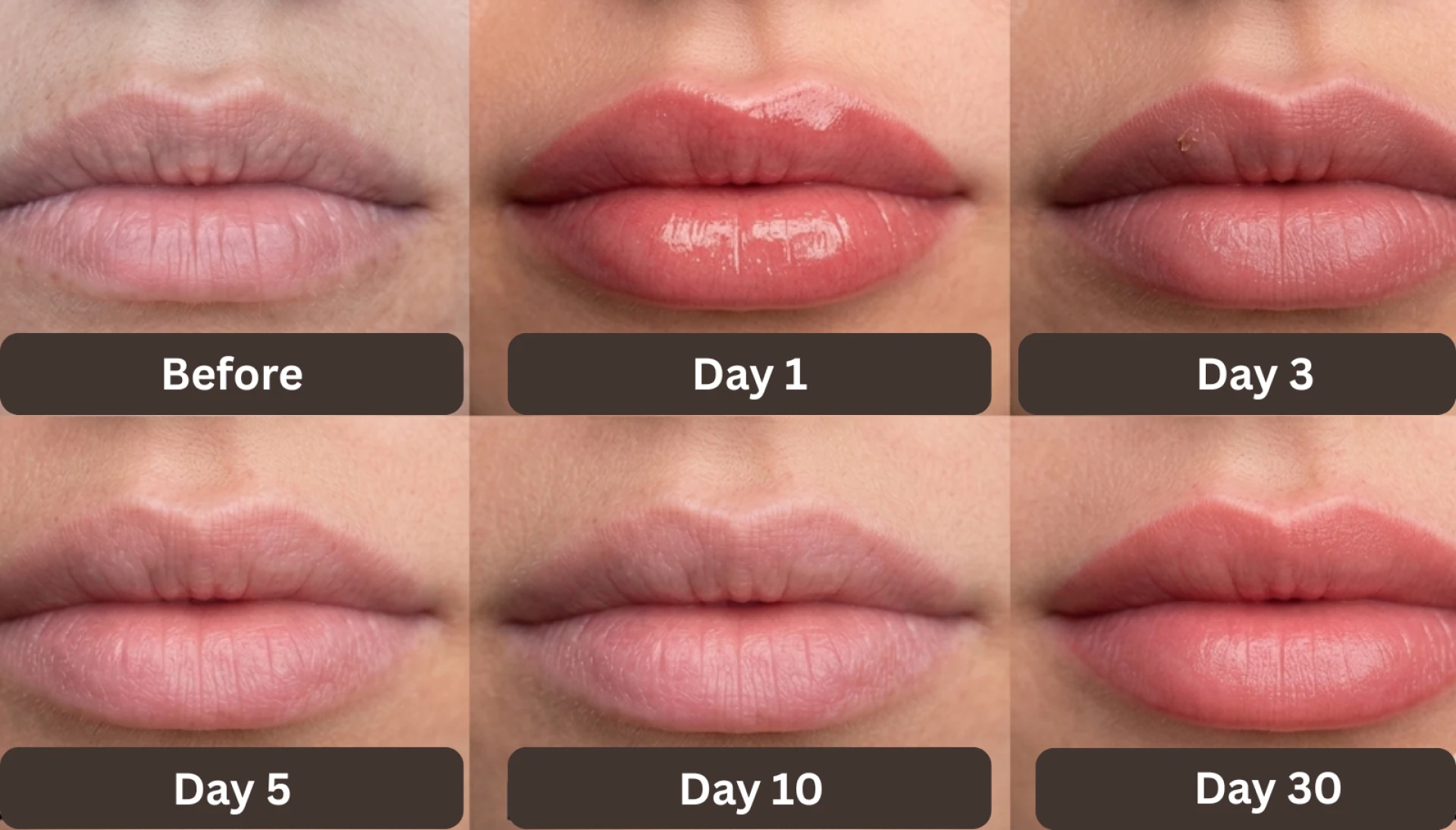

Understanding the dermal fillers recovery timeline is essential before undergoing any aesthetic procedure. One of the most common concerns patients have after dermal fillers treatments is swelling—how long it lasts, what is considered normal, and when results will fully settle.
A well-informed recovery process not only improves patient confidence but also plays a crucial role in achieving optimal aesthetic outcomes.
What Are Dermal Fillers and How Do They Work?
Dermal fillers are non-surgical injectable treatments used for facial volume restoration, contour enhancement, and wrinkle reduction. Most modern fillers are composed of hyaluronic acid, a biocompatible substance that integrates with the skin to provide hydration and structure.
Unlike anti wrinkle treatments, which relax muscle activity, dermal fillers work by physically restoring lost volume and improving facial symmetry.
This distinction is important when understanding post-treatment effects such as swelling and tissue response.
Why Does Swelling Occur After Dermal Fillers?
Swelling following dermal fillers is a physiological inflammatory response. It occurs due to:
- Micro-trauma caused by needle or cannula insertion
- The hydrophilic nature of hyaluronic acid (attracts water)
- Localised vascular response during tissue healing
In clinical practice, mild to moderate swelling is expected in the majority of cases and is typically self-limiting.
For a more detailed breakdown of swelling progression, see the guide on lip filler swelling stages explained, which explores area-specific healing patterns.
Dermal Fillers Recovery Timeline (Clinical Overview)
Immediate Post-Treatment (0–24 Hours)
- Mild swelling and redness at injection sites
- Possible tenderness or tightness
- Subtle asymmetry due to fluid retention
Patients are usually advised to avoid pressure on the treated area during this phase.
Early Healing Phase (Day 2–3)
- Swelling may peak during this period
- Bruising may become more visible
- Tissue may feel firm or slightly uneven
This phase often leads to unnecessary concern, especially in lip treatments, where swelling is more pronounced.
Stabilisation Phase (Day 4–7)
- Gradual reduction in swelling
- Improved symmetry
- Initial aesthetic results begin to appear
Adhering to proper dermal fillers aftercare during this stage significantly influences outcomes.
Final Results Phase (Day 10–14)
- Fillers integrate into surrounding tissue
- Natural contour and volume become evident
- Residual swelling resolves
Clinical data suggests that over 85–90% of patients achieve final visible results within two weeks, depending on the treatment area and technique.
Factors That Influence Recovery and Results
Recovery is not uniform and can vary based on several clinical and individual factors:
Treatment Area
- Lips: Higher vascularity → increased swelling
- Cheeks/jawline: Typically less reactive
Injection Technique
- Advanced techniques reduce tissue trauma and downtime
Product Type
- Different filler densities behave differently in tissue
Patient Physiology
- Individual inflammatory response varies
For patients combining treatments such as microneedling or skin boosters, recovery dynamics may differ slightly due to enhanced collagen stimulation and hydration effects.
How to Reduce Swelling and Support Healing
Effective aftercare is critical in optimising results and minimising complications.
Evidence-Based Aftercare Recommendations:
- Apply a cold compress intermittently (avoid direct ice contact)
- Avoid alcohol and excessive salt intake for 24–48 hours
- Maintain adequate hydration
- Avoid strenuous physical activity for 24 hours
A structured dermal fillers aftercare routine not only reduces swelling but also enhances product longevity and overall results.
When Is Swelling Not Normal?
While swelling is expected, certain signs may indicate complications:
- Persistent swelling beyond 14 days
- Increasing pain or firmness
- Skin discoloration (pale, dusky, or mottled appearance)
These symptoms may require immediate evaluation under complications management, particularly in rare cases such as vascular compromise.
Early intervention significantly improves outcomes and reduces long-term risks.
Real-World Clinical Insight
In practice, patients receiving lip augmentation often report concern during the first 48 hours due to noticeable swelling and asymmetry. However, by Day 5–7, the majority of swelling subsides, revealing a balanced and natural result.
This highlights the importance of setting realistic expectations and educating patients about the normal healing trajectory.
Key Takeaways
- Swelling after dermal fillers is normal and temporary
- Peak swelling usually occurs within the first 72 hours
- Final results are typically visible within 10–14 days
- Proper aftercare significantly impacts healing and results
- Awareness of complications ensures timely intervention
Conclusion
A clear understanding of the dermal fillers recovery timeline allows patients to approach treatment with confidence and realistic expectations. While swelling is a common part of the healing process, it is temporary and manageable with proper care.
Choosing an experienced practitioner and following evidence-based aftercare protocols are the most critical factors in achieving safe, natural-looking results.
Frequently Asked Questions (FAQs)
1. How long does swelling last after dermal fillers?
Swelling typically lasts between 2 to 7 days, with most resolving within the first week. Final results are visible after approximately two weeks.
2. Why do lip fillers swell more than other areas?
Lips have a higher blood supply and are more sensitive, which makes them more prone to swelling compared to other facial areas.
3. Can swelling affect final dermal filler results?
Temporary swelling can distort the initial appearance, but it does not affect the final outcome once fully resolved.
4. Is it safe to combine dermal fillers with other treatments?
Yes, treatments such as skin boosters and microneedling can complement fillers, but timing and planning should be guided by a professional.
5. When should I seek help after dermal fillers?
Seek immediate advice if you experience severe pain, prolonged swelling, or unusual skin discoloration.
6. Does aftercare really make a difference?
Yes, proper aftercare significantly reduces swelling, improves healing, and enhances the longevity of results.
7. Are dermal fillers suitable for everyone?
Most adults are suitable candidates, but a consultation is essential to assess medical history and treatment goals.
























Sign in to leave a comment.