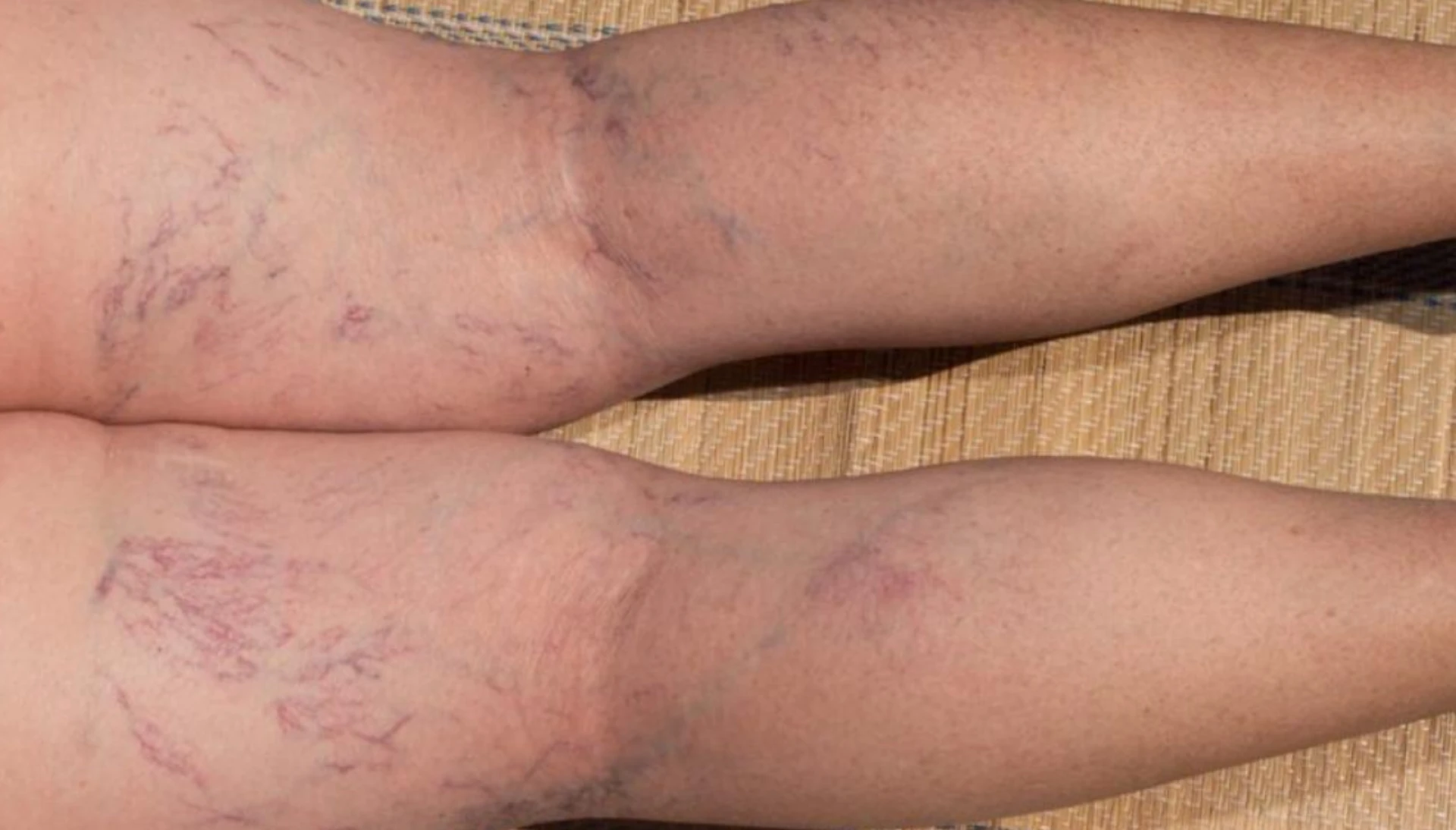
Spider veins are a common cosmetic concern that can affect both men and women, often appearing as small, visible red, blue, or purple veins on the legs or face. While they are usually harmless, many people seek treatment due to their appearance or associated discomfort.
The good news is that spider vein removal is both safe and effective when performed in a qualified medical aesthetic clinic. Understanding the causes, available treatments, and expected results can help you make informed decisions about your care.
What Are Spider Veins?
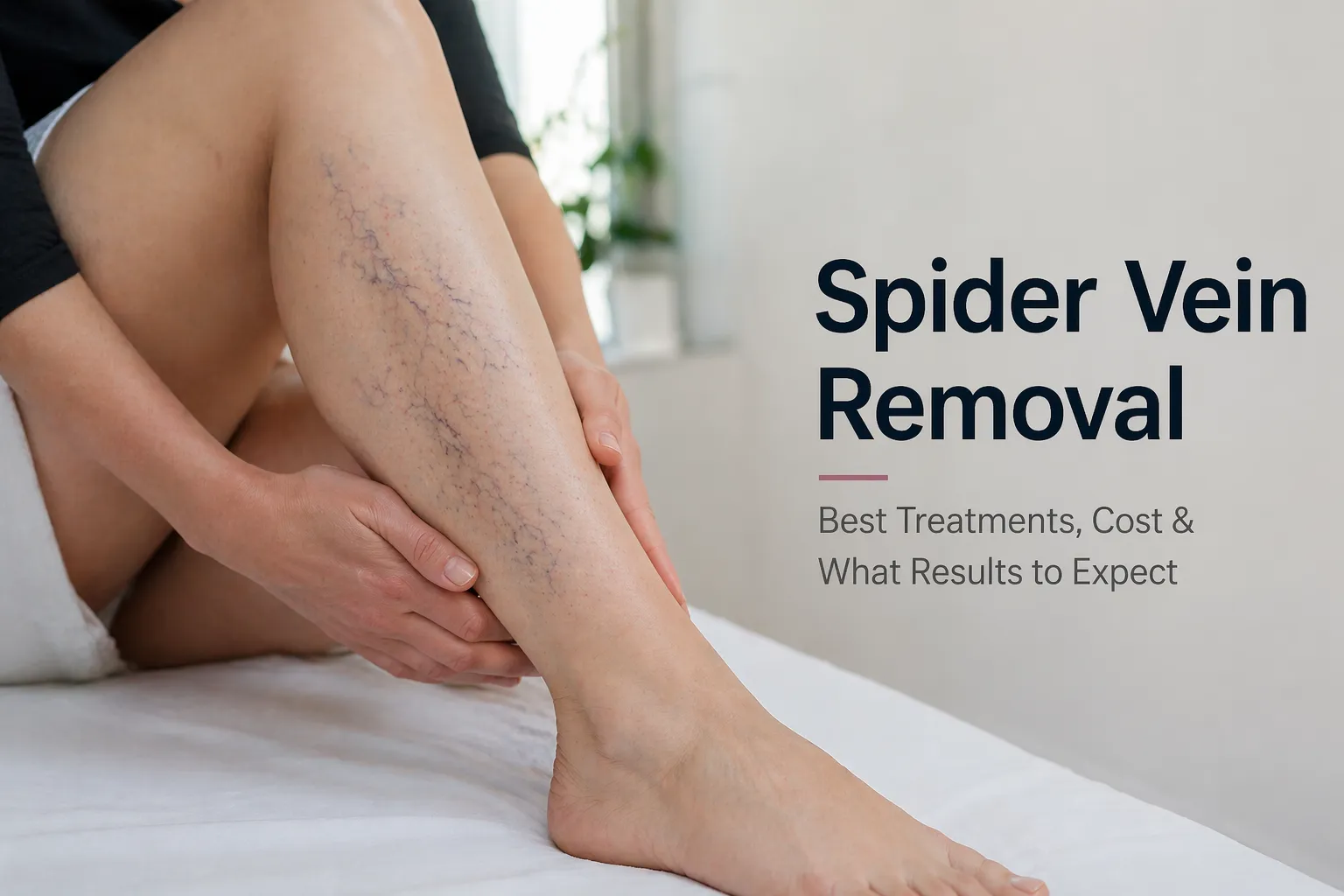
Spider veins, medically known as telangiectasia, are small dilated blood vessels that appear close to the surface of the skin. They often resemble a web-like pattern and are most commonly found on the legs and face.
Unlike larger vein conditions, spider veins are typically not dangerous, but they can be an early sign of underlying venous issues.
Common Causes of Spider Veins
Spider veins develop due to increased pressure in the veins or weakened vein walls. Several factors contribute to their formation:
- Genetics and family history
- Prolonged standing or sitting
- Hormonal changes (pregnancy, menopause)
- Aging and reduced skin elasticity
- Sun exposure (especially for facial veins)
In some cases, spider veins may be linked to deeper vein problems, which is why a professional assessment is important before treatment.
Spider Vein Removal vs Varicose Vein Removal
It is important to distinguish between spider vein removal and varicose vein removal, as they involve different levels of severity and treatment approaches.
- Spider veins are smaller, superficial, and mainly cosmetic
- Varicose veins are larger, bulging, and may cause pain or discomfort
If you are unsure which condition you have, a consultation at a cosmetic doctor clinic can help determine the most appropriate treatment plan.
Treatment Options for Spider Vein Removal
Modern aesthetic medicine offers several effective solutions for treating spider veins. The choice of treatment depends on the size, location, and severity of the veins.
1. Sclerotherapy
Sclerotherapy is one of the most commonly used treatments. It involves injecting a solution directly into the vein, causing it to collapse and gradually fade.
- Minimally invasive
- No downtime required
- Highly effective for leg veins
2. Laser Treatment
Laser therapy uses focused light energy to target and break down the visible veins.
- Ideal for smaller or facial spider veins
- Non-invasive
- Suitable for sensitive areas
3. Advanced Assessment Techniques
In some cases, underlying vascular issues may need to be assessed before treatment. Clinics that use advanced diagnostic tools can provide more precise and safer outcomes.
This is similar to how technologies like ultrasound guided filler improve accuracy in other aesthetic treatments, ensuring targeted and effective care.
What Results Can You Expect?
Results from spider vein removal are generally very positive, especially when treatments are tailored to the individual.
Most patients can expect:
- Gradual fading of visible veins
- Improved skin appearance and tone
- Long-lasting results with proper care
However, it is important to understand that multiple sessions may be required, depending on the extent of the veins.
Aftercare and Recovery
After treatment, proper aftercare plays a key role in achieving optimal results.
You may be advised to:
- Avoid prolonged standing immediately after treatment
- Wear compression stockings (for leg veins)
- Protect treated areas from sun exposure
- Maintain an active lifestyle to support circulation
Following professional guidance from a medical aesthetician ensures better healing and long-term results.
When Should You Seek Treatment?
You should consider treatment if:
- The veins are becoming more visible over time
- You experience discomfort or heaviness in the legs
- You are concerned about cosmetic appearance
Early intervention not only improves results but also helps rule out more serious venous conditions.
Choosing the Right Clinic for Spider Vein Removal
Selecting the right provider is crucial for safe and effective treatment.
Look for a clinic that offers:
- Qualified and experienced practitioners
- A thorough consultation process
- Access to advanced technologies
- A strong focus on patient safety
A reputable medical aesthetic clinic will always prioritize both cosmetic outcomes and overall vascular health.
Final Thoughts
Spider veins are a common and treatable condition. With the right approach, spider vein removal can significantly improve both appearance and confidence.
The key lies in accurate diagnosis, appropriate treatment selection, and expert care. Consulting a qualified professional ensures that your treatment is not only effective but also safe and tailored to your individual needs.
FAQs
What is the most effective treatment for spider vein removal?
Sclerotherapy is widely considered one of the most effective treatments, especially for leg veins, while laser therapy works well for smaller veins.
Is spider vein removal painful?
Most treatments involve minimal discomfort and are well tolerated. Any mild sensation usually resolves quickly.
How long does it take to see results?
Results typically appear gradually over a few weeks, with continued improvement after each session.
Can spider veins come back after treatment?
Treated veins usually do not return, but new spider veins can develop over time, especially if underlying causes are not managed.
Is spider vein removal safe?
Yes, when performed by a qualified professional in a cosmetic doctor clinic or medical aesthetic clinic, the procedure is considered safe and effective.






















Sign in to leave a comment.