If you’ve started noticing fine lines and wrinkles, you’ve probably come across anti-wrinkle treatments as a solution.
They’re often described as quick, effective, and non-surgical—but what does that actually mean in practice?
The truth is, these treatments don’t just “remove wrinkles.” They work in a very specific way to soften lines and prevent them from becoming deeper over time.
Understanding how they work—and what they don’t do—is key to getting natural, balanced results.
What are anti-wrinkle treatments?
Anti-wrinkle treatments are injectable procedures designed to reduce the appearance of lines caused by repeated facial movements.
Over time, expressions like smiling, frowning, or squinting create dynamic wrinkles, particularly around the forehead, eyes, and between the brows.
These treatments work by gently relaxing targeted facial muscles. As muscle activity reduces, the skin above it becomes smoother, leading to a softer, more refreshed appearance.
Unlike treatments that restore facial volume, this approach focuses purely on muscle movement and wrinkle reduction.
How Do Anti-Wrinkle Treatments Work?
At a clinical level, anti-wrinkle injections temporarily block nerve signals to specific muscles.
When those muscles relax:
- the skin is no longer repeatedly creased
- existing lines begin to soften
- deeper wrinkles are prevented from worsening
This is why the treatment is often used both for correction and prevention.
Many patients start earlier—not because they have deep wrinkles, but to slow their development over time.
What Results Should You Expect?
One of the most common misconceptions is that results are immediate.
In reality, anti-wrinkle treatments take a few days to start working.
You’ll usually notice:
- early changes within 3–5 days
- full results developing over 10–14 days
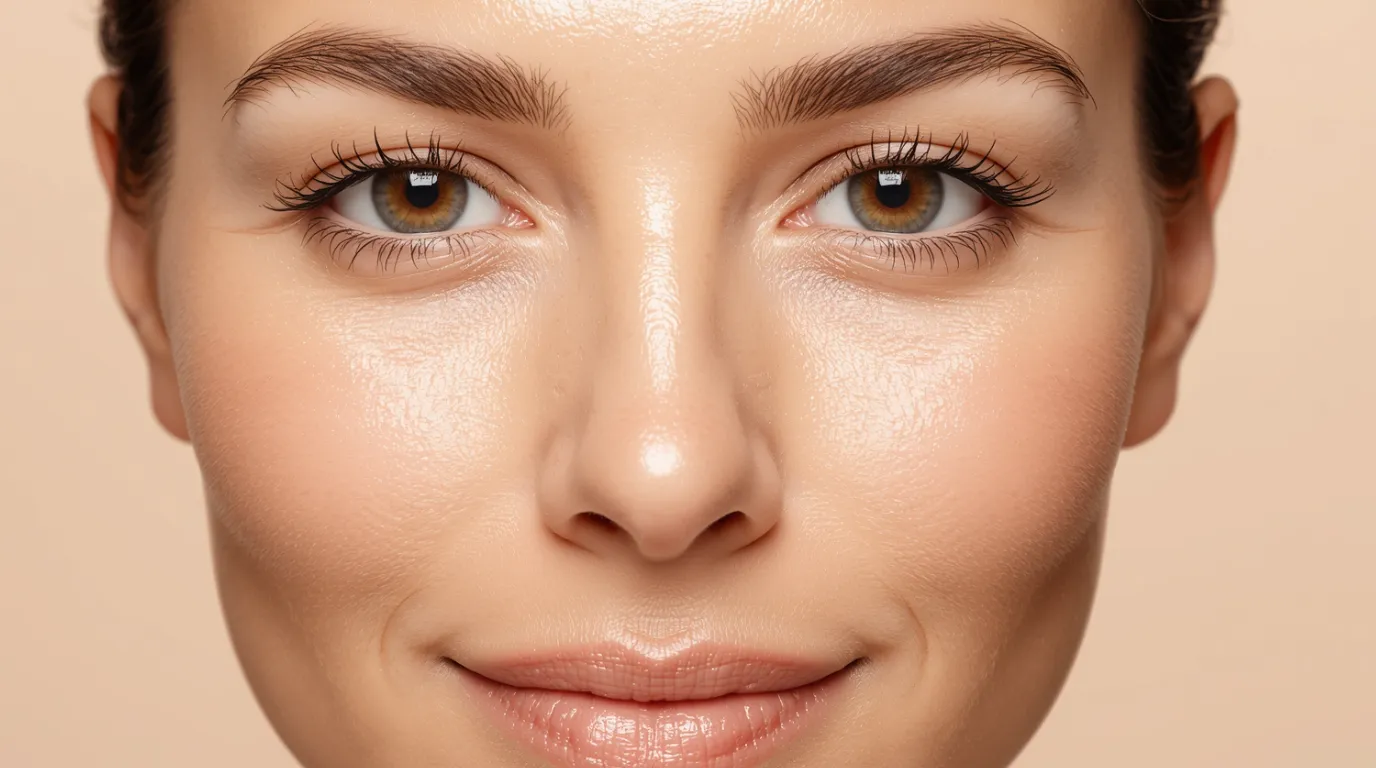
The skin appears smoother, and expression lines become less visible. However, your face should still look natural—you should be able to move, just without the deep creasing.
In well-performed treatments, the goal is simple: you look like yourself, just more relaxed.
How Long Do Results Last?
The effects of anti-wrinkle treatments are temporary.
On average, results last between 3 and 4 months, although this can vary depending on:
- muscle strength
- metabolism
- treatment area
With regular sessions, many patients notice that results last longer over time as muscle activity becomes more controlled.
Are Anti Wrinkle Treatments Safe?
When carried out by a trained professional, anti wrinkle treatments are considered safe and widely used in non-surgical facial rejuvenation.
Most side effects are mild and short-lived. You might experience slight redness, swelling, or tenderness at the injection site, but these typically settle quickly.
However, like any aesthetic procedure, there is always a small risk of aesthetic complications.
What Can Go Wrong? (And How to Avoid It)
Complications are uncommon—but they’re usually linked to poor technique rather than the treatment itself.
Some potential issues include:
- uneven results
- temporary drooping in nearby areas
- over-relaxation of muscles
These effects are usually temporary but can be avoided with proper assessment and technique.
This is why choosing an experienced practitioner matters. A skilled provider understands facial anatomy, dosing, and placement—ensuring natural, controlled results.
Who Is a Good Candidate for anti-wrinkle treatments?
Not everyone needs treatment, and that’s important to recognise.
Anti-wrinkle treatments are most suitable if you:
- have visible fine lines and wrinkles caused by movement
- want to prevent deeper lines from forming
- prefer a non-surgical approach to facial rejuvenation
If your concern is more about volume loss or sagging skin, treatments like dermal fillers may be more appropriate.
A proper consultation will help determine the best approach for your specific concerns.
Anti Wrinkle Treatments vs Other Aesthetic Procedures
It’s easy to confuse different treatments, especially when they’re often mentioned together.
Here’s the key difference.
Anti wrinkle treatments reduce muscle movement.
Dermal fillers restore volume and contour.
Skin treatments improve skin texture, hydration, and overall skin quality.
Each serves a different purpose, and combining them can often deliver more balanced, natural results.
Why Natural Results Matter More Than Frozen Results
One of the biggest concerns people have is looking “frozen” or expressionless.
In reality, this usually happens when too much product is used or when placement isn’t well planned.
A well-executed anti-wrinkle treatment should:
- soften lines without removing expression
- maintain natural movement
- enhance your appearance subtly
The goal isn’t to erase every line—it’s to create a smoother, more relaxed version of your natural expressions.
Final Thoughts
Anti wrinkle treatments remain one of the most effective ways to manage fine lines and wrinkles without surgery.
But like any treatment, the results depend on how it’s done.
A personalised approach, realistic expectations, and an experienced practitioner are what truly define the outcome.
If you’re considering treatment, focus less on quick fixes and more on long-term skin health and natural results.
FAQs
How long do anti-wrinkle treatments take to work?
Results usually begin within 3–5 days and fully develop in 10–14 days.
Do anti-wrinkle treatments look natural?
Yes, when done correctly, they soften lines without affecting natural expressions.
Are anti-wrinkle injections painful?
Discomfort is minimal and usually well tolerated.
How often do you need treatment?
Most patients repeat treatment every 3–4 months.
Can anti-wrinkle treatments prevent ageing?
They can help slow the formation of deeper wrinkles over time.



























Sign in to leave a comment.