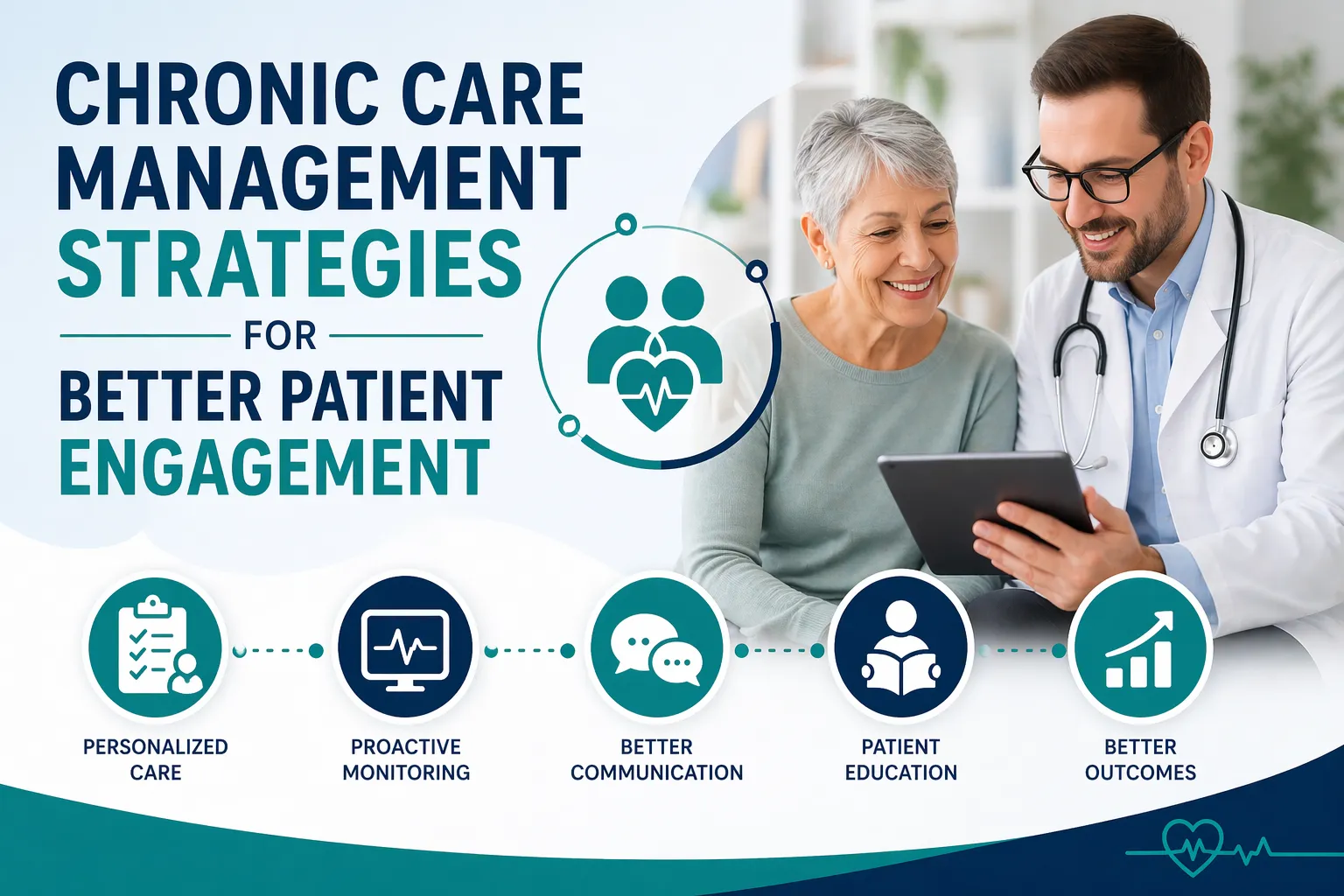
Chronic diseases such as diabetes, hypertension, heart disease, and COPD are among the leading causes of death and disability worldwide. Managing these conditions requires ongoing care, monitoring, and patient involvement. As the healthcare landscape evolves, the focus has shifted from episodic treatment to continuous chronic care management. One of the most significant contributors to improved health outcomes is effective patient engagement. In this blog, we will explore proven chronic care management strategies to boost patient engagement and enhance the quality of care.
Understanding Chronic Care Management
Chronic care management is a comprehensive approach aimed at improving the health of patients with chronic conditions. It involves coordinated care, regular follow-ups, medication management, and patient education. The primary goal is to empower patients to take control of their health, reduce hospitalizations, and improve their quality of life.
Why Patient Engagement Matters in Chronic Care
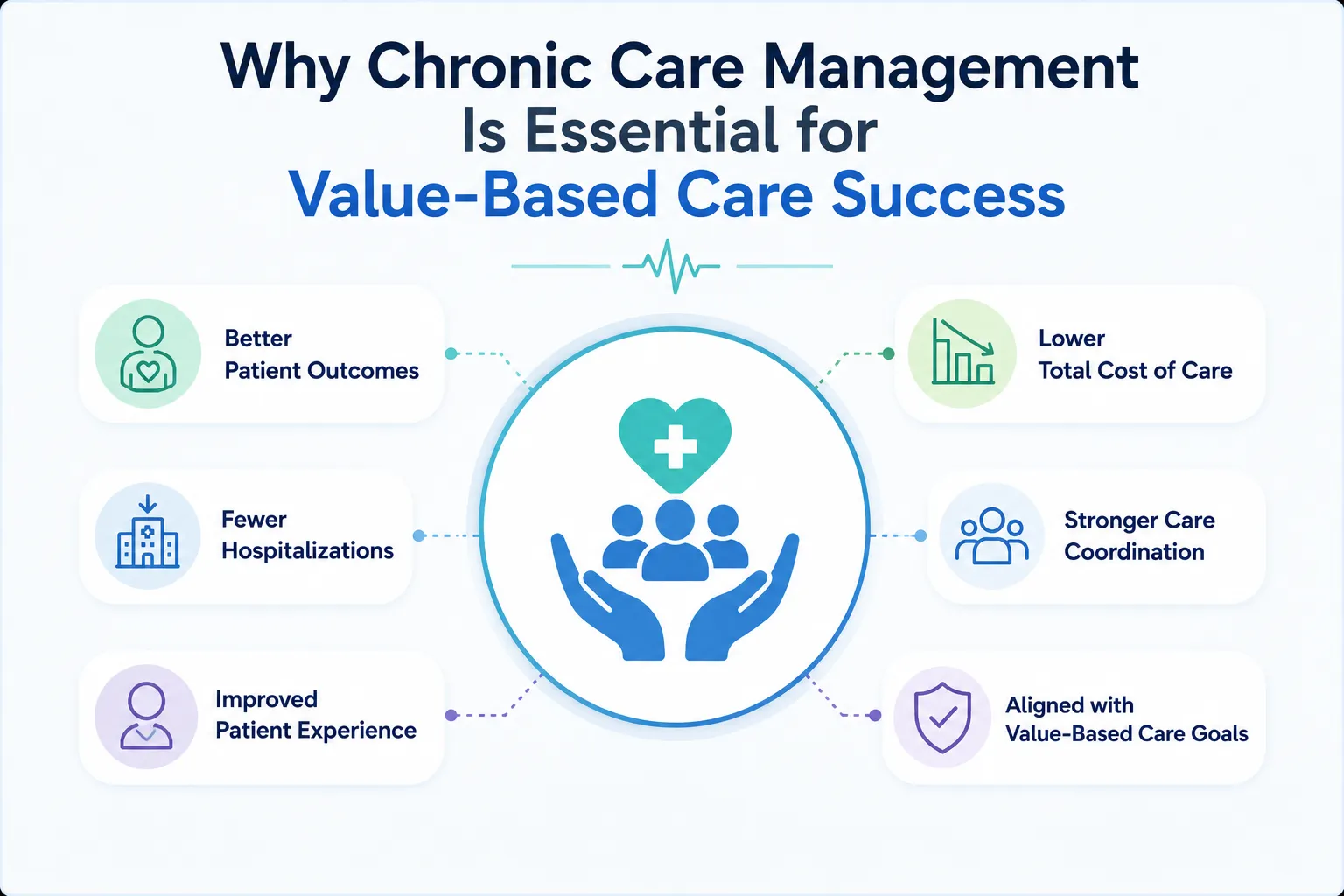
Patient engagement is the active involvement of patients in their care. Engaged patients are more likely to follow prescribed treatments, make healthier lifestyle choices, and communicate effectively with their healthcare providers. Studies have shown that higher patient engagement leads to:
- Better health outcomes
- Lower healthcare costs
- Reduced hospital readmissions
- Increased patient satisfaction
Strategies for Effective Chronic Care Management and Patient Engagement
Personalized Care Plans
Every patient is unique. Developing care plans tailored to individual needs, preferences, and health goals is vital for chronic care management. A personalized care plan should include:
- Detailed medication schedules
- Recommended lifestyle changes
- Scheduled follow-ups and monitoring
- Clear instructions for managing symptoms and emergencies
Personalized plans help patients feel valued and understood, which encourages active participation in their care.
Leveraging Technology for Better Communication
Digital health tools play a crucial role in modern chronic care management. Utilizing secure messaging, telehealth platforms, and patient portals improves communication between patients and providers. These tools offer several benefits:
- Convenient appointment scheduling
- Easy access to medical records and test results
- Quick resolution of queries or concerns
- Remote monitoring of vital signs and symptoms
When patients can easily communicate with their care team, they are more likely to stay engaged and adhere to their care plans.
Regular Follow-Ups and Remote Monitoring
Consistent follow-ups are essential for effective chronic care management. Remote monitoring devices, such as blood glucose meters or blood pressure cuffs, allow patients to track their health at home. Healthcare teams can then review this data and provide timely interventions if necessary. Benefits of remote monitoring include:
- Early detection of potential issues
- Reduced need for in-person visits
- Empowerment of patients to manage their health proactively
Education and Health Literacy
Many patients with chronic conditions lack the necessary knowledge to manage their health effectively. Chronic care management should include ongoing education on:
- Understanding their condition and its progression
- Recognizing warning signs and when to seek help
- The importance of medication adherence
- Nutrition, exercise, and lifestyle modifications
Educational resources can be delivered through workshops, printed materials, online videos, or interactive mobile apps. Improved health literacy results in better self-care and higher engagement.
Motivational Interviewing and Shared Decision-Making
Motivational interviewing is a patient-centered communication technique that helps patients explore their motivations for change. Healthcare providers can use this approach to:
- Identify barriers to adherence
- Set achievable health goals together with the patient
- Foster a sense of ownership and accountability
Shared decision-making ensures that patients are active participants in their care, leading to higher satisfaction and better outcomes.
Care Coordination and Support Networks
Effective chronic care management requires collaboration among healthcare professionals, caregivers, and community resources. Coordinated care ensures that:
- All providers are informed about the patient's health status
- There is no duplication of tests or conflicting treatments
- Transitions between care settings are seamless
Encouraging patients to build a support network of family, friends, or peer groups also boosts engagement and motivation.
Incorporating Behavioral Health Support
Chronic diseases often take a toll on mental health. Depression, anxiety, and stress can hinder a patient’s ability to manage their condition. Integrating behavioral health support into chronic care management can include:
- Regular mental health screenings
- Access to counseling or therapy
- Coping strategies for stress management
A holistic approach addresses both physical and emotional needs, leading to better engagement and outcomes.
Utilizing Incentives and Gamification
Incentives and gamification strategies can motivate patients to stick with their care plans. Examples include:
- Reward programs for medication adherence
- Digital badges for achieving health milestones
- Friendly competitions or challenges
These strategies make chronic care management more engaging and enjoyable for patients.
How HealthArc Supports Chronic Care Management for Engagement
HealthArc is committed to transforming chronic care management by providing innovative digital solutions tailored to both providers and patients. Our platform offers:
- Seamless communication tools for providers and patients
- Customizable care plans and reminders
- Remote monitoring integrations for real-time health tracking
- Educational resources to boost health literacy
- Analytics for proactive, data-driven interventions
With HealthArc, healthcare organizations can deliver patient-centered care, foster engagement, and achieve better health outcomes for those living with chronic conditions.
Conclusion
Effective chronic care management is not just about treating symptoms—it’s about empowering patients to take an active role in their health journey. By adopting these strategies, healthcare providers can enhance patient engagement, improve clinical outcomes, and reduce the overall burden of chronic diseases. With the right tools and a patient-centered approach, chronic care management becomes a partnership that benefits everyone involved.
If you’re looking to enhance your chronic care management strategies and improve patient engagement, consider integrating technology-driven solutions like HealthArc into your practice. The future of chronic care is collaborative, personalized, and driven by patient engagement. Make the change today for healthier tomorrows.



























Sign in to leave a comment.