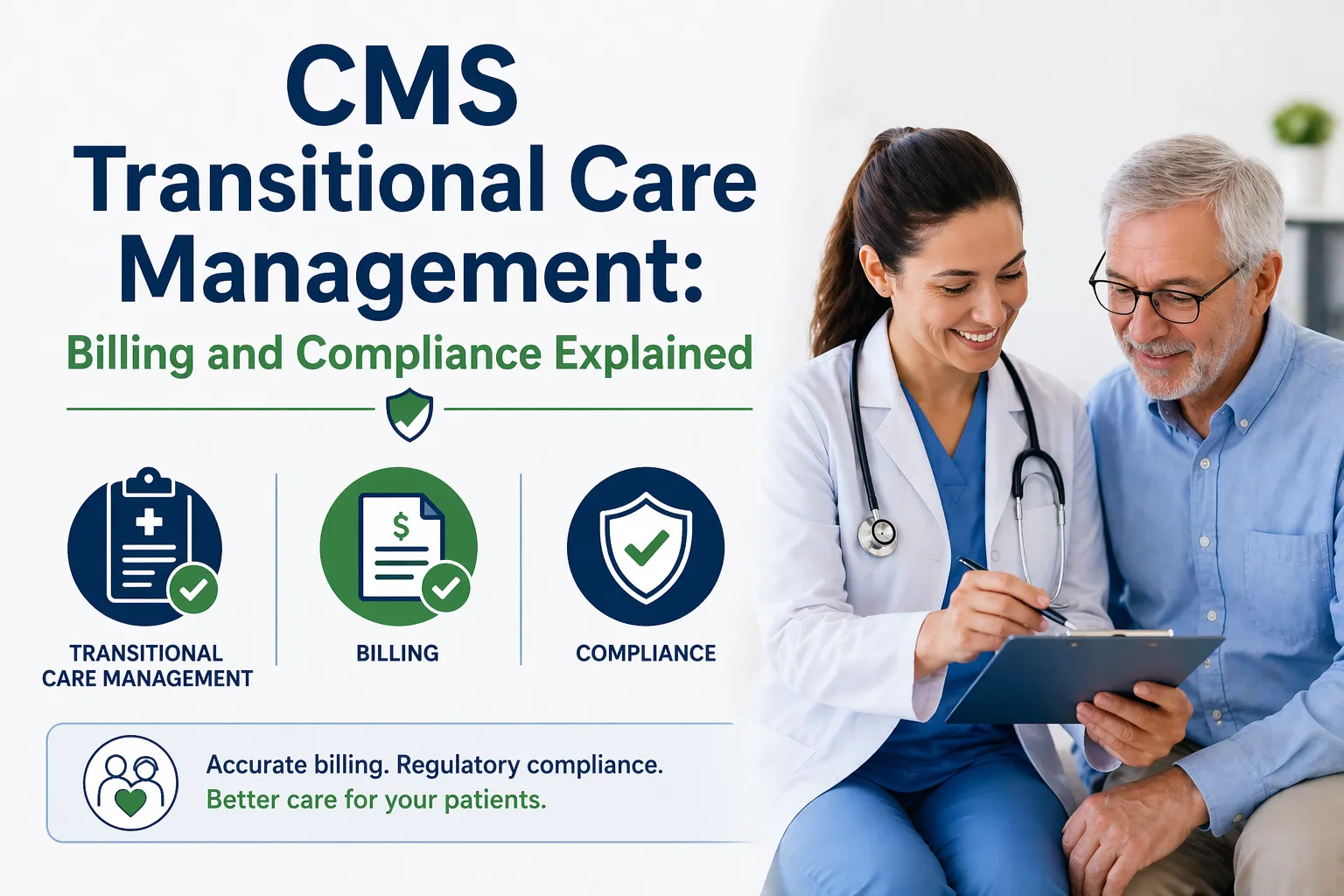

Transitional Care Management (TCM) is a critical component of patient care, especially for those leaving the hospital or other healthcare facilities. With the Centers for Medicare & Medicaid Services (CMS) providing specific guidelines for billing and compliance, understanding CMS transitional care management is essential for healthcare providers, billing specialists, and administrators. This article explores what CMS transitional care management is, how to bill for it correctly, and the compliance considerations every healthcare organization should know.
What is CMS Transitional Care Management?
CMS transitional care management refers to services provided to patients as they transition from a hospital or other inpatient facility back to their home or community setting. The goal is to ensure patients have the support they need to avoid unnecessary readmissions and complications. Transitional care management covers the crucial 30-day period after discharge, during which patients are at a higher risk of adverse events.
Key elements of CMS transitional care management include:
- Communication with the patient or caregiver within two business days of discharge
- Medical decision-making of moderate or high complexity
- Face-to-face visit within 7 or 14 days of discharge, depending on the complexity
These services are designed to bridge the gap between inpatient and outpatient care, ensuring that patients receive appropriate follow-up and support.
Why is CMS Transitional Care Management Important?
Transitional care management is more than a billing opportunity—it’s a vital part of improving patient outcomes. Proper implementation of CMS transitional care management can:
- Reduce hospital readmissions
- Improve patient satisfaction
- Increase adherence to medication and care plans
- Lower overall healthcare costs
Healthcare providers who prioritize TCM not only support their patients but also benefit from CMS incentives and reduced penalties related to readmissions.
Billing for CMS Transitional Care Management: Codes and Requirements
Billing for CMS transitional care management can be complex, but understanding the basics is key to maximizing reimbursement and staying compliant.
TCM CPT Codes
CMS recognizes two primary CPT codes for transitional care management:
- 99495: Transitional care management services with moderate medical decision complexity, face-to-face visit within 14 days of discharge
- 99496: Transitional care management services with high medical decision complexity, face-to-face visit within 7 days of discharge
Key Billing Requirements
To bill for CMS transitional care management, providers must:
- Receive notification of the patient’s discharge
- Initiate contact with the patient or caregiver within two business days (phone, email, or in-person)
- Conduct a face-to-face visit within the required time frame (7 or 14 days)
- Provide non-face-to-face services such as reviewing discharge information, coordinating follow-up care, and arranging community resources
Common Billing Mistakes to Avoid
Billing for CMS transitional care management has specific requirements. Avoid these common pitfalls:
- Missing the initial contact within two business days
- Failing to document all non-face-to-face activities
- Using the wrong CPT code based on the timing or complexity
- Billing TCM with other overlapping services (e.g., home health care or care plan oversight, which may not be billed concurrently)
Documentation and Compliance with CMS Transitional Care Management
Compliance is crucial for CMS transitional care management billing. Accurate documentation supports claims and safeguards against audits.
What Should Be Documented?
- Date and method of initial patient/caregiver contact
- Detailed summary of medical decision-making complexity
- All non-face-to-face services provided (reviewing records, arranging follow-ups, etc.)
- Date and content of the face-to-face visit
- Any care coordination activities performed
Tips for Staying Compliant
To ensure compliance with CMS transitional care management guidelines:
- Use standardized templates for TCM documentation
- Train all staff involved in TCM processes
- Regularly review CMS updates and policy changes
- Audit TCM claims periodically to catch errors early
Who Can Bill for CMS Transitional Care Management?
Not all providers are eligible to bill for CMS transitional care management. Eligible providers include:
- Physicians (MD, DO)
- Nurse practitioners
- Physician assistants
- Certified nurse specialists
- Clinical nurse midwives
The billing provider must supervise the patient’s care throughout the 30-day transitional period and ensure all requirements are met.
Best Practices for Implementing CMS Transitional Care Management in Your Practice
Implementing an effective CMS transitional care management program requires coordination, planning, and communication. Here are some best practices:
Establish a TCM Workflow
- Assign a dedicated TCM coordinator or team
- Set up alerts for patient discharges
- Use EHR templates for TCM documentation
Educate Your Staff
- Provide ongoing training on CMS transitional care management requirements
- Share examples of successful TCM cases
- Keep your team updated on billing and compliance changes
Monitor Outcomes
- Track readmission rates for TCM patients
- Collect patient satisfaction feedback
- Adjust workflows based on performance data
Leverage Technology
- Use care management software to track TCM activities
- Automate reminders for initial patient contact and follow-up visits
- Integrate TCM documentation with your EHR for seamless billing
The Future of CMS Transitional Care Management
As healthcare shifts towards value-based care, transitional care management will continue to grow in importance. CMS is likely to refine its guidelines and incentives for TCM as data shows its impact on reducing readmissions and improving outcomes.
Practices that invest in robust CMS transitional care management processes position themselves for both financial success and better patient care.
Conclusion
CMS transitional care management is a valuable service that benefits both patients and healthcare organizations. By understanding the requirements for billing and compliance, providers can maximize reimbursement, avoid costly mistakes, and deliver high-quality transitional care.
If your organization is looking to enhance its CMS transitional care management program, now is the time to review your processes, educate your staff, and leverage technology to ensure compliance and optimal patient outcomes. Stay informed, stay compliant, and deliver the best possible care during those critical transition periods.
For more resources on CMS transitional care management, visit healtharc and discover how our solutions can streamline your TCM processes and improve patient care.




























Sign in to leave a comment.