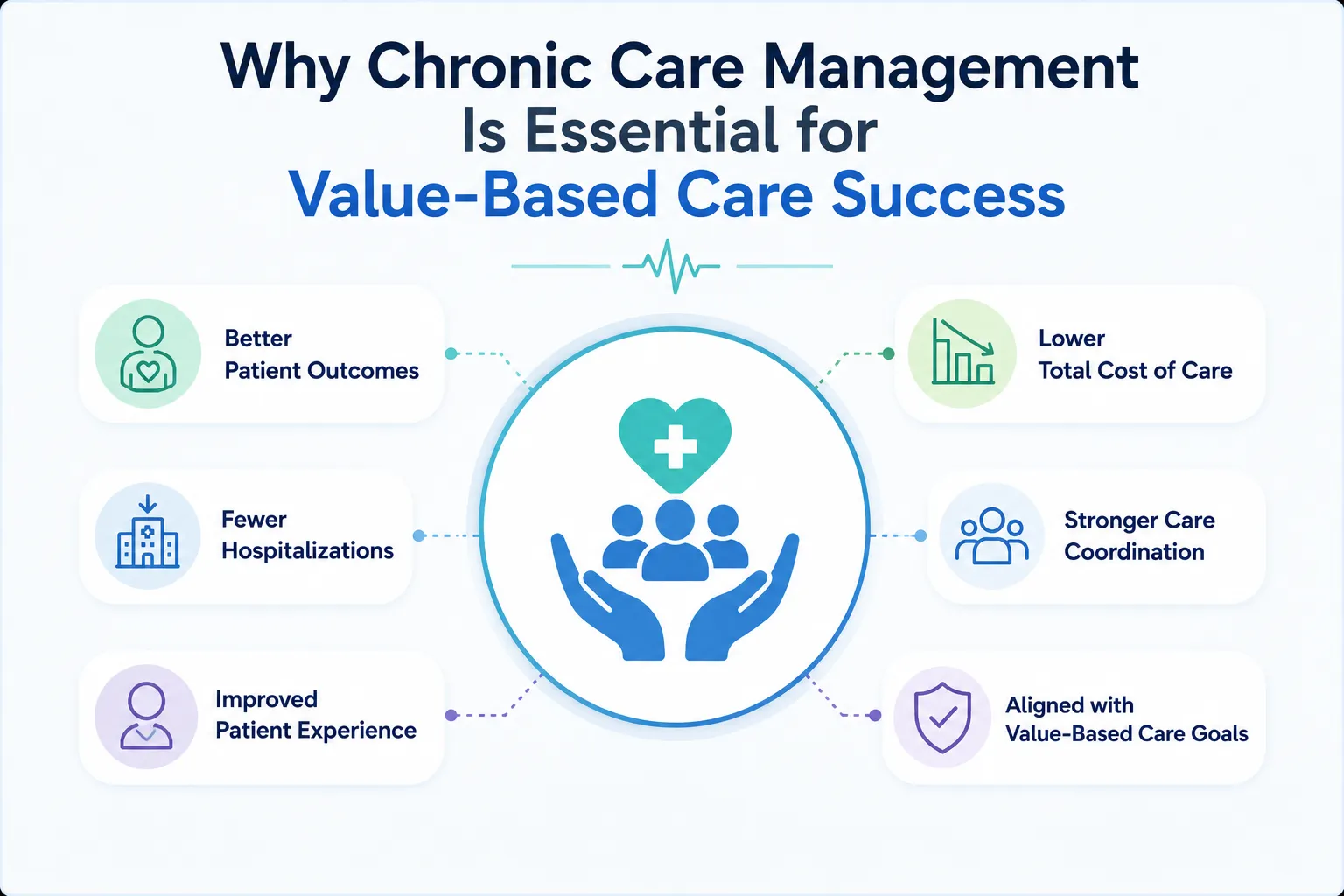

In today’s rapidly evolving healthcare landscape, chronic care management plays a pivotal role in achieving the goals of value-based care. As healthcare providers and organizations strive to improve patient outcomes, lower costs, and enhance the overall patient experience, chronic care management stands out as a critical component for success. This article explores the essential nature of chronic care management in value-based care, its benefits, and how it drives positive outcomes for both patients and healthcare providers.
Understanding Chronic Care Management
Chronic care management refers to a comprehensive approach to care for patients with multiple chronic conditions such as diabetes, hypertension, heart disease, and COPD. It involves coordinated healthcare services, patient education, regular monitoring, and timely interventions to manage and improve the health of individuals living with chronic illnesses.
With the rise in the prevalence of chronic conditions globally, effective chronic care management has become more important than ever. According to the Centers for Disease Control and Prevention (CDC), six in ten Americans live with at least one chronic disease, while four in ten have two or more. These conditions are among the most costly and preventable health problems.
The Shift to Value-Based Care
Traditional fee-for-service healthcare models focus on quantity rather than quality of care. However, the shift to value-based care emphasizes improved patient outcomes, reduced hospitalizations, and increased patient satisfaction. The ultimate goal is to deliver better care at lower costs.
Value-based care incentivizes providers to focus on prevention, early intervention, and effective management of chronic illnesses. This is where chronic care management becomes indispensable. By proactively managing patients with chronic diseases, providers can prevent complications, reduce unnecessary hospital visits, and enhance the quality of life for their patients.
Why Chronic Care Management Is Essential for Value-Based Care
There are several key reasons why chronic care management is vital for the success of value-based care initiatives:
Enhanced Patient Outcomes
Chronic care management ensures that patients receive regular follow-ups, timely interventions, and personalized care plans. This leads to:
- Better disease control and management
- Reduced rates of complications and hospital readmissions
- Improved medication adherence
- Increased patient engagement and self-management
Cost Reduction
One of the primary goals of value-based care is to reduce healthcare costs while maintaining high standards of care. Chronic care management achieves this by:
- Decreasing emergency department visits and hospitalizations
- Preventing costly complications
- Streamlining care coordination among multiple providers
- Reducing unnecessary tests and procedures
Improved Patient Satisfaction
Patients with chronic conditions often require ongoing support and communication. Chronic care management enhances patient satisfaction by:
- Providing continuous access to care teams
- Offering educational resources and self-management tools
- Addressing patient concerns promptly
- Building trust and long-term relationships
Better Care Coordination
Chronic care management involves collaboration among primary care providers, specialists, nurses, and other healthcare professionals. This coordinated approach ensures:
- Comprehensive and holistic care
- Avoidance of fragmented or duplicated services
- Consistent communication across the care team
- Efficient sharing of patient information
Meeting Regulatory and Reimbursement Requirements
The Centers for Medicare & Medicaid Services (CMS) and other payers now incentivize chronic care management through reimbursement programs. Participating in these programs helps providers:
- Access additional revenue streams
- Meet quality metrics and reporting requirements
- Stay compliant with evolving healthcare regulations
The Role of Technology in Chronic Care Management
Advancements in healthcare technology have revolutionized chronic care management. Solutions such as remote patient monitoring, telehealth, and secure patient portals empower providers to deliver proactive and personalized care. These tools:
- Enable real-time tracking of patient health data
- Facilitate virtual consultations and check-ins
- Support data-driven decision-making
- Enhance communication between patients and care teams
By leveraging technology, healthcare organizations can scale their chronic care management programs, improve patient engagement, and achieve better results in value-based care settings.
Best Practices for Implementing Chronic Care Management
To maximize the benefits of chronic care management and support value-based care, organizations should consider these best practices:
Comprehensive Patient Assessment
Begin with a thorough assessment of each patient’s medical history, lifestyle, and social determinants of health. This information forms the foundation of a personalized care plan.
Care Plan Development
Create individualized care plans that outline treatment goals, recommended interventions, and follow-up schedules. Engage patients in the planning process to ensure buy-in and adherence.
Regular Monitoring and Follow-Ups
Schedule routine check-ins via phone, telehealth, or in-person visits. Monitor vital signs, medication adherence, and symptom changes to detect issues early.
Patient Education and Engagement
Provide educational resources to help patients understand their conditions and empower them to participate actively in their care. Encourage self-management and lifestyle modifications.
Care Coordination
Facilitate communication and information sharing among all members of the care team. Use care management platforms to track progress and coordinate services effectively.
Documentation and Reporting
Maintain accurate records of all interactions, interventions, and patient outcomes. Use data analytics to monitor performance and identify areas for improvement.
The Future of Chronic Care Management in Value-Based Care
Chronic care management will continue to be a cornerstone of value-based care models. As populations age and the prevalence of chronic conditions increases, the demand for proactive, coordinated care will only grow. Healthcare organizations that invest in robust chronic care management programs will position themselves for long-term success in delivering high-quality, cost-effective care.
Conclusion
Chronic care management is essential for value-based care success. By focusing on coordinated, patient-centered care for individuals with chronic conditions, healthcare providers can achieve better outcomes, lower costs, and enhance patient satisfaction. Embracing technology and best practices in chronic care management is key to thriving in today’s value-based healthcare environment.
If your organization is looking to improve its value-based care outcomes, investing in chronic care management is the right step forward. It’s not just a regulatory requirement—it’s a proven strategy for delivering better healthcare for all.





























Sign in to leave a comment.