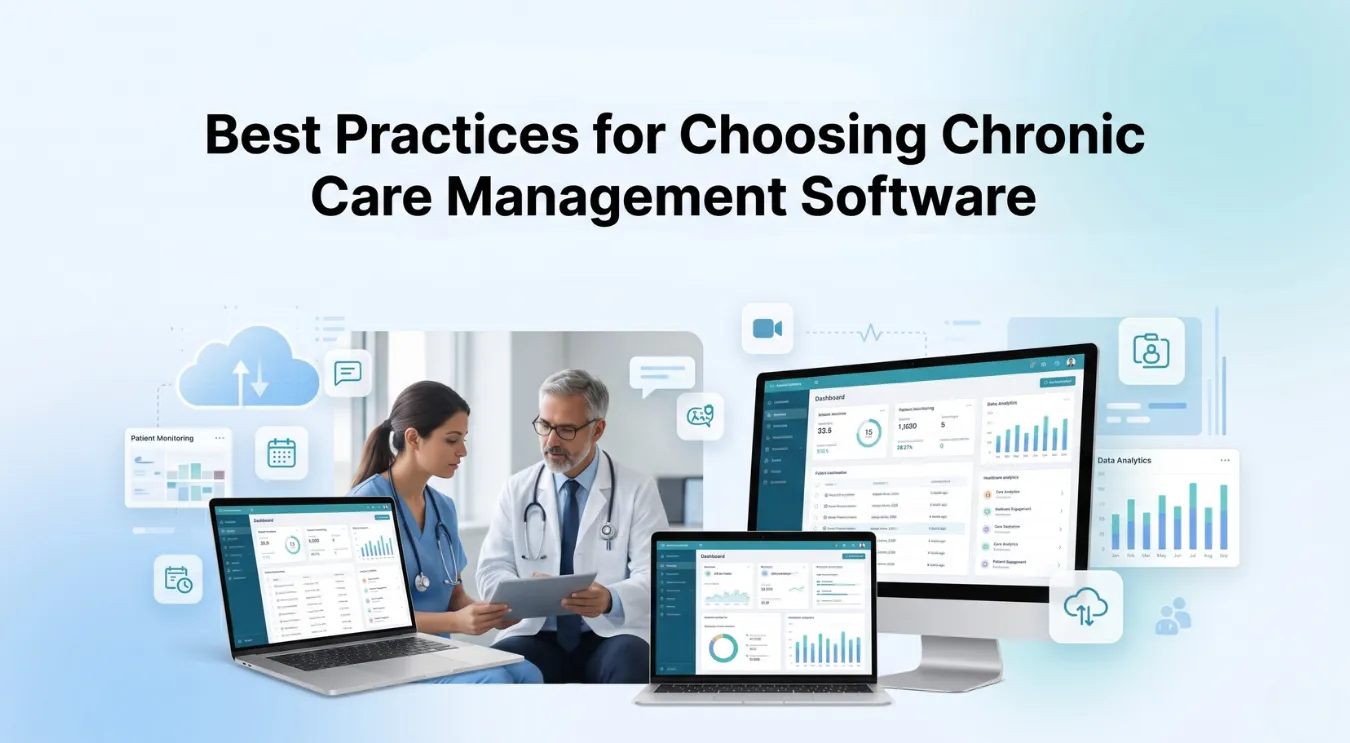
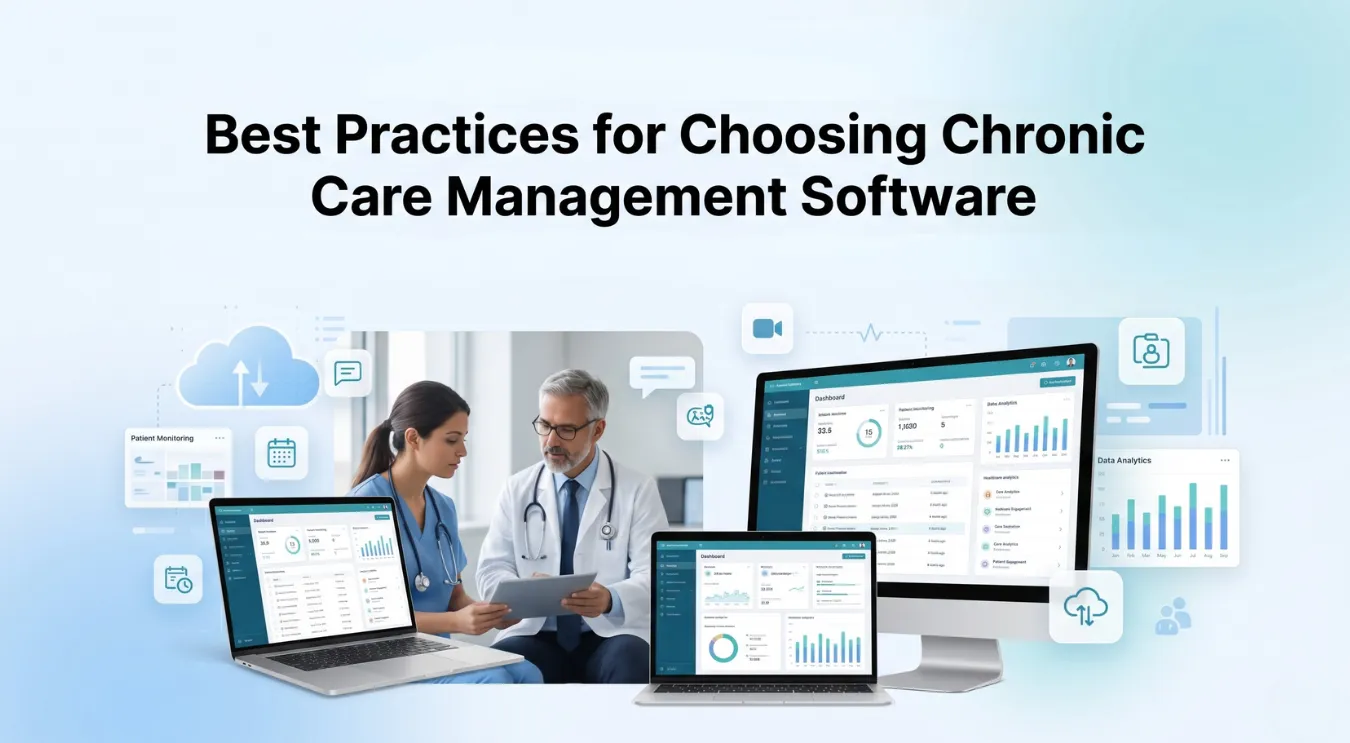
In today’s rapidly evolving healthcare landscape, chronic care management software has become an essential tool for providers aiming to improve patient outcomes and streamline operations. With the growing prevalence of chronic diseases, healthcare organizations need robust solutions to manage care plans, track patient progress, and enhance communication between care teams and patients. But with a myriad of options available, how do you select the right chronic care management software for your practice? In this article, we’ll explore the best practices for choosing the ideal chronic care management software that aligns with your organization’s needs.
Why Chronic Care Management Software Matters
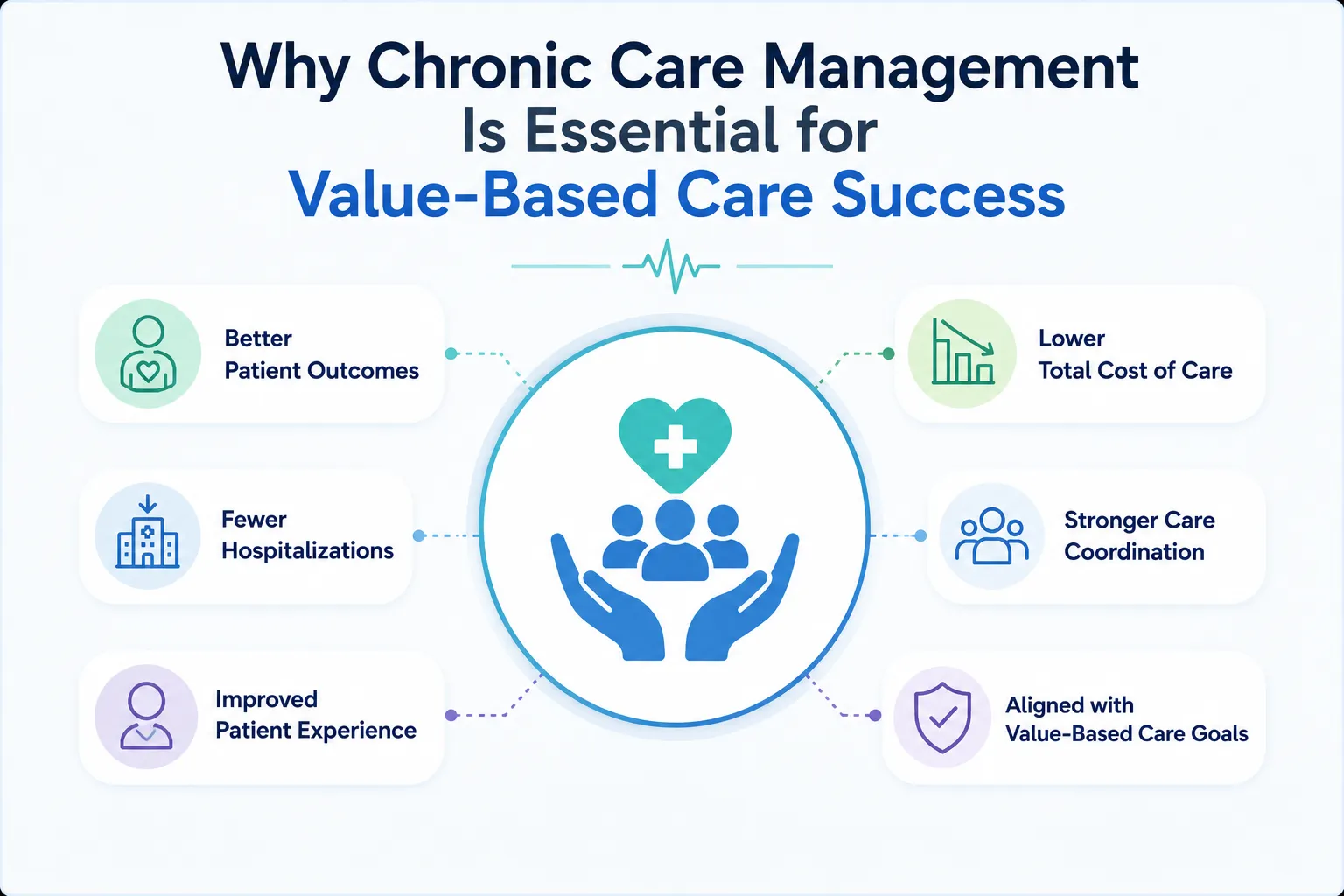
Before diving into the selection process, it’s crucial to understand why chronic care management software is a game changer for healthcare providers. These solutions enable:
- Enhanced patient engagement through consistent communication
- Comprehensive tracking of patient health data
- Streamlined workflow for care coordinators
- Improved compliance with CMS guidelines
- Better coordination between multidisciplinary care teams
With these benefits in mind, let’s discuss the key considerations and best practices for selecting the most suitable chronic care management software for your healthcare organization.
Assess Your Organization’s Needs
Not all healthcare facilities are the same, and neither are their software requirements. Before evaluating different chronic care management software options, take time to assess your organization’s unique needs:
- Patient population: Consider the number and types of chronic diseases most prevalent among your patients.
- Existing workflows: Analyze how current processes work and identify where automation or digital tools could add value.
- Staff readiness: Evaluate your team’s technical proficiency and capacity for adopting new technology.
- Integration requirements: Determine if the software needs to integrate with existing Electronic Health Record (EHR) systems or other practice management solutions.
Prioritize User-Friendly Interface
A user-friendly interface is critical for successful software adoption. The best chronic care management software should be intuitive for all users, including physicians, nurses, care coordinators, and patients. Features to look for include:
- Simple navigation menus
- Clean dashboard layouts
- Clear labeling of functions
- Minimal learning curve for new users
When software is easy to use, staff are more likely to embrace it, ensuring a smoother transition and ongoing efficiency.
Ensure Regulatory Compliance
Healthcare is a highly regulated industry, and compliance is non-negotiable. The chronic care management software you choose must adhere to all relevant regulations, especially:
- HIPAA (Health Insurance Portability and Accountability Act) for safeguarding patient information
- CMS (Centers for Medicare & Medicaid Services) guidelines for chronic care management billing and documentation
Verify that the vendor provides regular updates to stay current with evolving regulations. Ask for documentation or proof of compliance before making a final decision.
Evaluate Integration Capabilities
For optimal efficiency, chronic care management software should integrate seamlessly with your existing health IT infrastructure. Key integration points include:
- Electronic Health Records (EHR)
- Practice management systems
- Telemedicine platforms
- Billing and claims processing software
Smooth integration ensures information flows freely across systems, reducing manual data entry and minimizing errors.
Look for Robust Reporting and Analytics
Effective chronic care management relies on data-driven insights. Choose software that offers comprehensive reporting and analytics tools, such as:
- Customizable reports on patient outcomes and program performance
- Automated alerts for care plan deviations
- Visual dashboards to track progress in real-time
These features empower your team to make informed decisions and continuously improve patient care.
Prioritize Security Features
Given the sensitive nature of healthcare data, robust security is paramount. The best chronic care management software should offer:
- Data encryption in transit and at rest
- User authentication and role-based access controls
- Regular security audits and vulnerability assessments
Confirm that the software vendor follows industry best practices in cybersecurity to protect patient information from unauthorized access or breaches.
Assess Patient Engagement Tools
A key goal of chronic care management software is to keep patients engaged in their care plans. Look for solutions that include:
- Secure messaging between care teams and patients
- Patient portals for appointment scheduling and medication reminders
- Educational resources tailored to specific chronic conditions
- Remote monitoring capabilities
These features help patients take an active role in managing their health, leading to better outcomes and higher satisfaction.
Review Vendor Support and Training
Even the most advanced chronic care management software can fall short without adequate vendor support. Before making a commitment, ask about:
- Onboarding and implementation assistance
- Ongoing user training and resources
- Availability of customer support (phone, email, chat)
- Response times for technical issues
A responsive vendor ensures you can address challenges quickly and maximize the value of your investment.
Consider Customization and Scalability
As your organization grows, your software needs may evolve. Choose chronic care management software that can be customized to fit your workflows and scale alongside your practice. Features to consider include:
- Customizable care plan templates
- Flexible user permissions
- The ability to add new users or modules as needed
This flexibility ensures your software remains a long-term solution rather than a temporary fix.
Analyze Pricing and Return on Investment
Cost is always a consideration, but it should be weighed against the value the software provides. When evaluating pricing, consider:
- Upfront implementation costs
- Ongoing subscription or licensing fees
- Additional charges for support, upgrades, or integrations
Compare these costs with the potential return on investment, such as improved billing accuracy, increased staff efficiency, and enhanced patient outcomes.
Request Demos and References
Before making a final decision, request product demos from shortlisted vendors. This allows your team to:
- Explore the software’s features firsthand
- Assess usability and fit for your workflows
- Ask detailed questions about functionality
Additionally, request references from other healthcare organizations using the software. Their insights can provide valuable perspectives on real-world performance and vendor reliability.
Conclusion
Choosing the right chronic care management software is a critical decision that can profoundly impact your organization’s ability to deliver high-quality care to patients with chronic conditions. By following these best practices—assessing your needs, prioritizing usability, ensuring compliance, evaluating integrations, and considering scalability—you can confidently select a solution that supports your goals and drives better patient outcomes.
If you’re ready to take your practice to the next level with advanced chronic care management software, make sure to conduct thorough research, involve your care team in the decision-making process, and partner with a reputable vendor like HealthArc for ongoing support and innovation.
Start your journey toward superior chronic care management today and empower your patients and care teams with the tools they need to succeed.
Frequently Asked Questions
What is chronic care management software and why is it important?
Chronic care management software is a digital tool designed to help healthcare providers manage patients with chronic diseases. It enhances patient engagement, streamlines workflows, and improves coordination among care teams, ultimately leading to better patient outcomes.
How do I assess my healthcare organization's needs before selecting software?
To assess your organization’s needs, consider your patient population, analyze existing workflows, evaluate staff readiness for new technology, and determine integration requirements with current systems. This tailored approach ensures you select software that meets your specific operational demands.
What features should I look for in chronic care management software?
Key features to consider include a user-friendly interface, robust reporting and analytics, patient engagement tools, and strong security measures. Additionally, ensure the software complies with regulatory standards and integrates well with your existing health IT systems.
Why is regulatory compliance important when choosing software?
Regulatory compliance is crucial in healthcare to protect patient data and ensure proper billing and documentation practices. Choosing software that adheres to regulations like HIPAA and CMS guidelines helps avoid legal issues and enhances patient trust.
How can I evaluate the vendor support and training for the software?
Before committing to a vendor, inquire about their onboarding assistance, ongoing training resources, and availability of customer support. A responsive vendor can address challenges efficiently, maximizing the software's value for your organization.
What should I consider regarding the cost of chronic care management software?
When evaluating costs, consider upfront implementation fees, ongoing subscription charges, and any additional costs for support or upgrades. Compare these expenses against the potential return on investment, such as improved patient outcomes and operational efficiencies.
How can I ensure the software will scale with my healthcare organization?
Choose software that offers customization options and scalability features, such as flexible user permissions and the ability to add new modules. This ensures that the solution can adapt to your organization's evolving needs over time.
























Sign in to leave a comment.