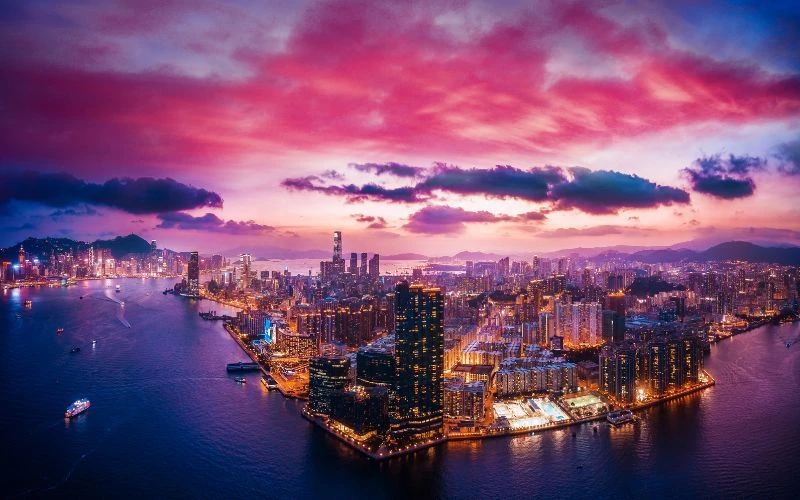

Hong Kong’s islands don’t feel like an escape in the dramatic sense. They feel like a release. One ferry ride and the noise drops, the air shifts, and suddenly you’re walking past fishing boats, beaches, and hiking trails instead of malls and traffic.
I’ve gone to these islands on days when I needed quiet, and on days when I just wanted better food and fewer people. Sometimes both. If you’re building a trip that blends city energy with slower moments—something many Hong Kong luxury holiday experiences quietly do well—the outlying islands matter more than most visitors expect.
Here are the islands that are genuinely worth your time, and how to approach them without common mistakes.
Lantau Island (Beyond the Airport)
Most people think they’ve “seen” Lantau because they landed on it. That doesn’t count.
Lantau is Hong Kong’s largest island and the most varied. The Big Buddha and Ngong Ping are busy, yes, but the rest of the island is surprisingly wild.
Hiking the Lantau Trail sections near Sunset Peak or Lantau Peak offers open views and space, especially on weekdays. Beaches like Pui O and Cheung Sha feel local and relaxed, with casual cafés right on the sand.
Where trips often go wrong: sticking only to Ngong Ping. Lantau deserves a full day, minimum.
Lamma Island
Lamma feels lived-in. That’s its charm.
Villages, footpaths, dogs sleeping in the shade, and restaurants that don’t try too hard. The walk between Yung Shue Wan and Sok Kwu Wan is easy, scenic, and dotted with small beaches.
Seafood is the main draw, but you don’t need a big meal plan. Wander, eat when you’re hungry, leave when you’ve had enough.
Honest observation: weekends get crowded. Go midweek if you want quieter paths.
Cheung Chau
Cheung Chau is compact, busy, and fun—if you time it right.
Narrow streets, bakeries selling fish balls, kids on bikes, and boats tightly packed in the harbor. It’s not peaceful, but it’s energetic in a local way.
Walk beyond the main village and things calm down quickly. The coastal path near the cemetery is usually quiet and offers good views.
Most people miss this: staying late. Day trippers leave by evening, and the island relaxes.
Peng Chau
Peng Chau is understated, and that’s exactly why it works.
It’s small, flat, and easy to explore in a few hours. No big attractions. Just a village, a promenade, and short trails with open views.
This is where you go when you don’t want to think too much. Coffee, a walk, maybe lunch, then back to the city.
Tip: bring cash. Options are limited.
Tai O
Technically part of Lantau, but it feels like its own island world.
Stilt houses, tidal channels, and a pace that hasn’t fully adjusted to tourism. It’s photogenic, but it’s also functional—people still live and work here.
Go early. By midday, tour groups arrive and the narrow paths clog up.
Small warning: respect privacy. This isn’t an open-air museum.
Tap Mun (Grass Island)
Tap Mun feels remote even by Hong Kong standards.
Wide grasslands, grazing cows, and strong sea winds define the experience. Facilities are minimal, but that’s the appeal.
Hiking here is gentle but exposed. Bring water and sun protection.
Most people miss this entirely, mostly because it takes effort to reach. That effort filters out crowds.
Po Toi Island
Po Toi is stark and windswept.
Rock formations, abandoned houses, and long stretches without shade. It’s not pretty in a soft way, but it’s atmospheric.
This island suits travelers who enjoy quiet walks and don’t need entertainment. Bring snacks. Check ferry schedules carefully.
Where trips often go wrong: underestimating sun and wind exposure.
Sharp Island
Sharp Island is easy and rewarding.
Clear water, small beaches, and short walking trails. It’s ideal for swimming and relaxed exploring.
Sai Kung nearby offers good food and an easy base. This island fits well into trips focused on balance, including slower-paced Hong Kong luxury holiday experiences that value downtime over attractions.
Final Thoughts
Hong Kong’s islands aren’t about ticking off sights. They’re about choosing the right mood.
Some days call for seafood and crowds. Others for wind, grass, and empty paths. The mistake most visitors make is trying to see too many islands too quickly.
Pick one or two. Time your ferries. Stay longer than planned. Whether you’re exploring independently or weaving these stops into broader Hong Kong luxury holiday experiences, the islands offer something the city can’t: space to slow down without leaving Hong Kong behind.
That’s their real value.
FAQs
1. How easy is it to reach Hong Kong’s outlying islands?
Very easy. Ferries are frequent, but schedules vary by island.
2. Do I need a full day for each island?
Not always. Some islands work well as half-day trips.
3. Which island is best for hiking?
Lantau and Tap Mun offer the best hiking options.
4. Are these islands family-friendly?
Yes, especially Lamma, Cheung Chau, and Sharp Island.
5. Do I need to book ferries in advance?
Usually no, except during festivals or holidays.
6. Which island is the quietest?
Peng Chau and Po Toi are generally the calmest.
























Sign in to leave a comment.