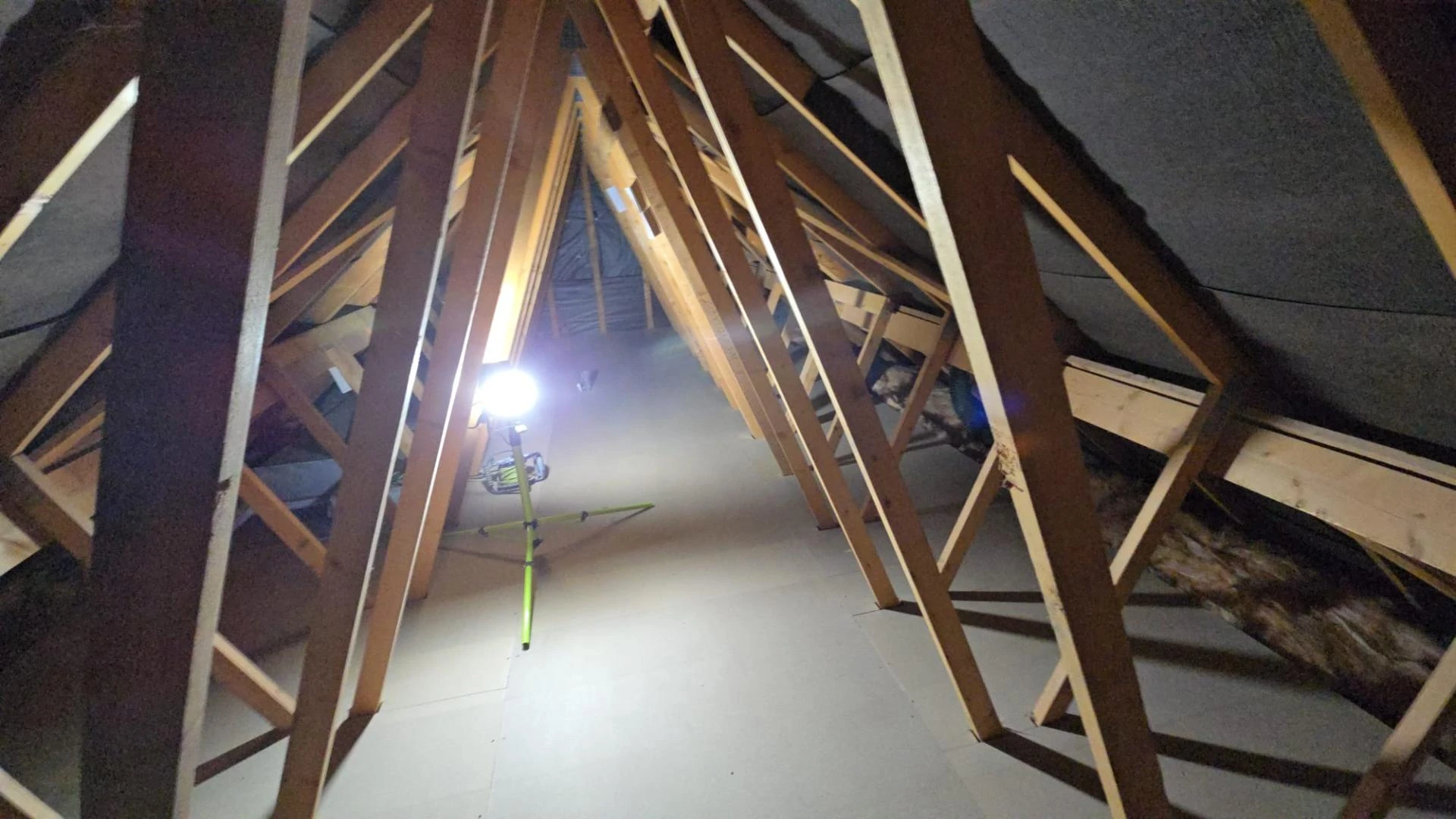

In today's homes, maximizing available space is a priority for many homeowners. One often overlooked area is the loft, which, when properly utilized, can provide substantial extra storage and contribute to improved energy efficiency. This article explores the best loft boarding solutions, offering insights into how you can transform your loft into a functional and energy-efficient space.
Understanding Loft Boarding
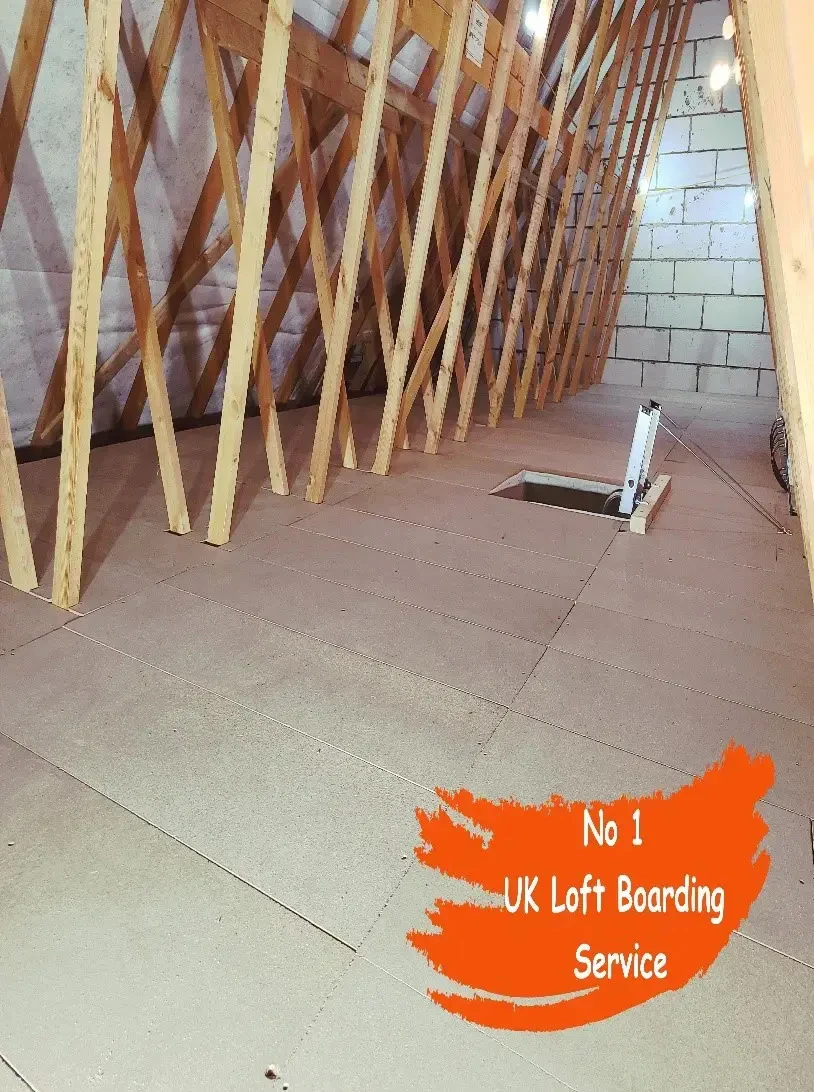
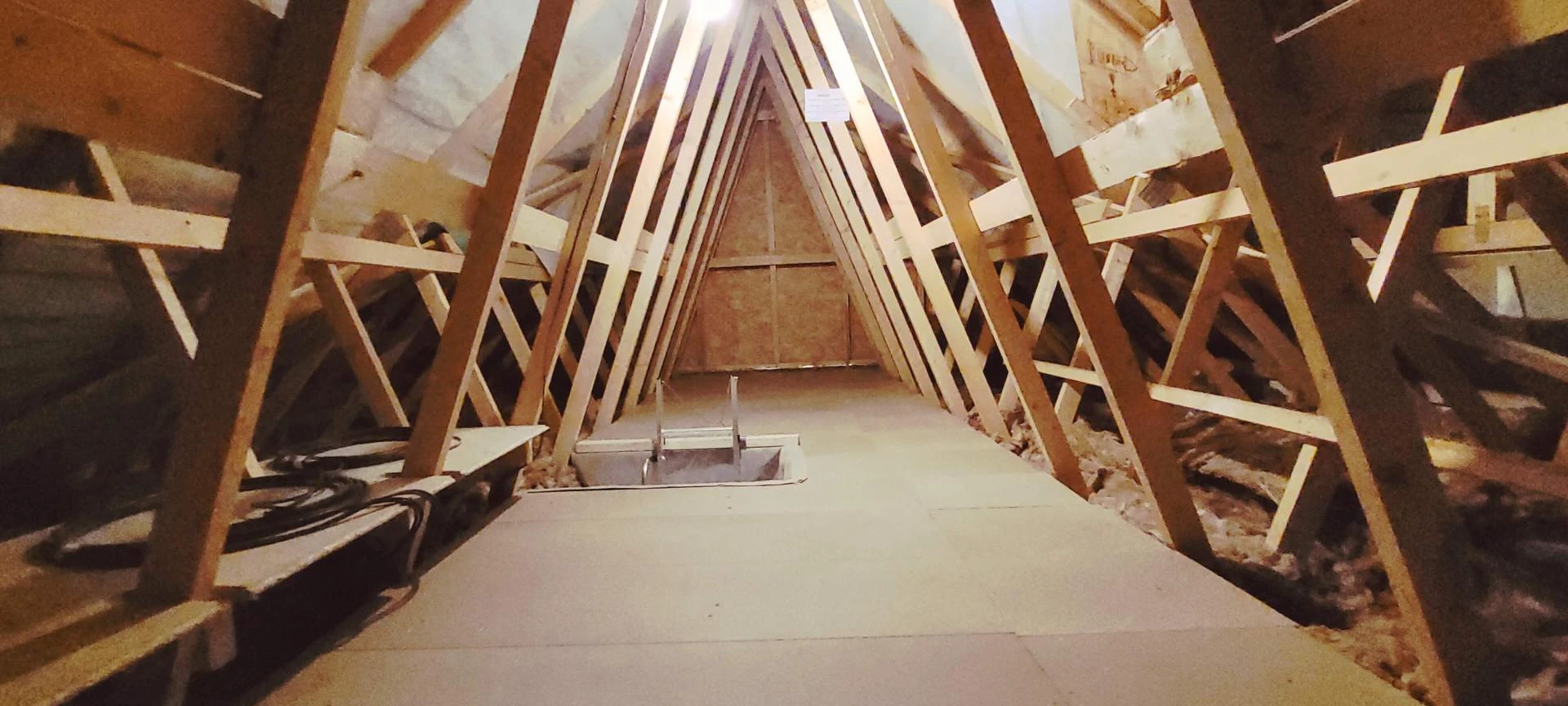
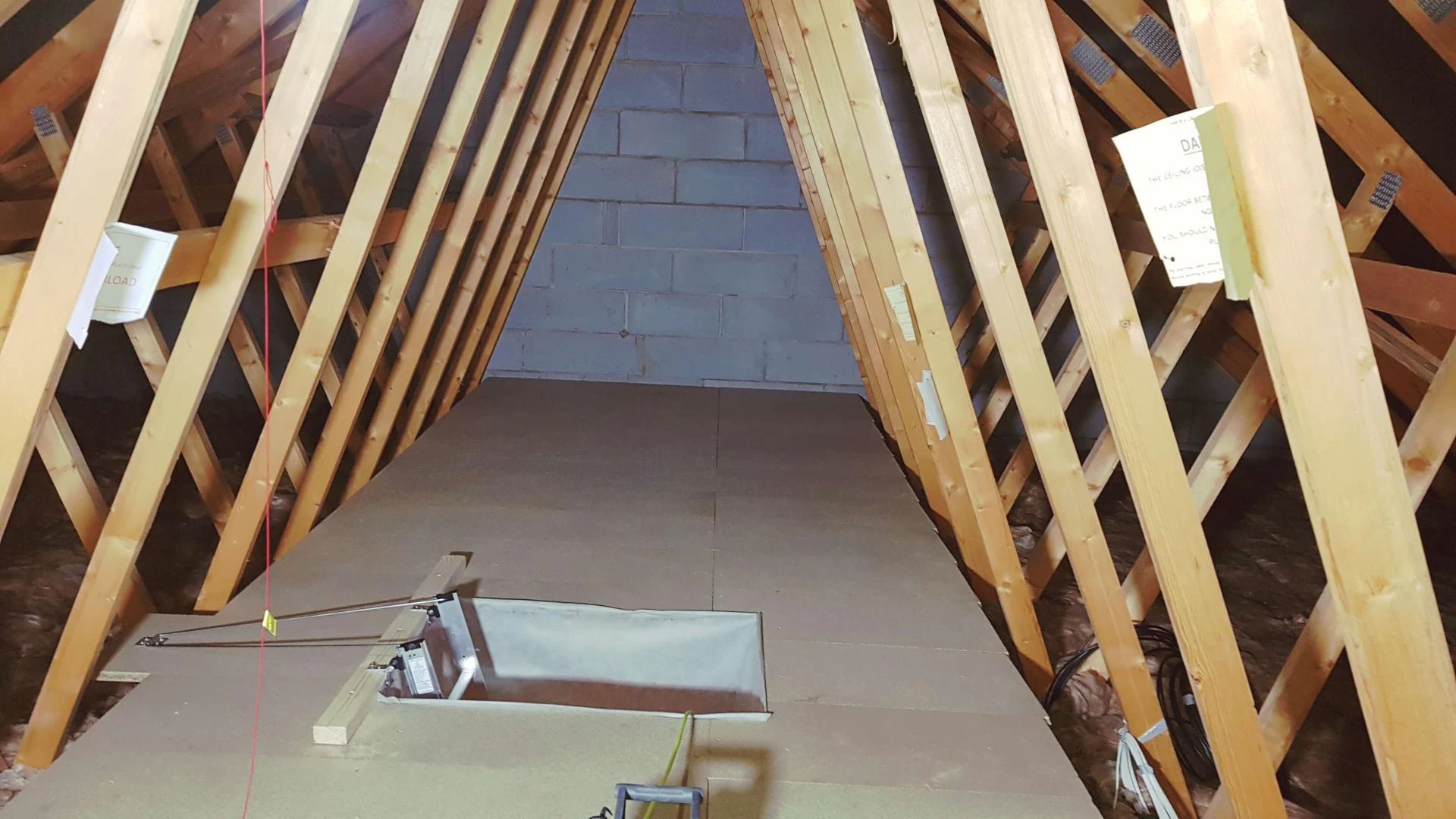
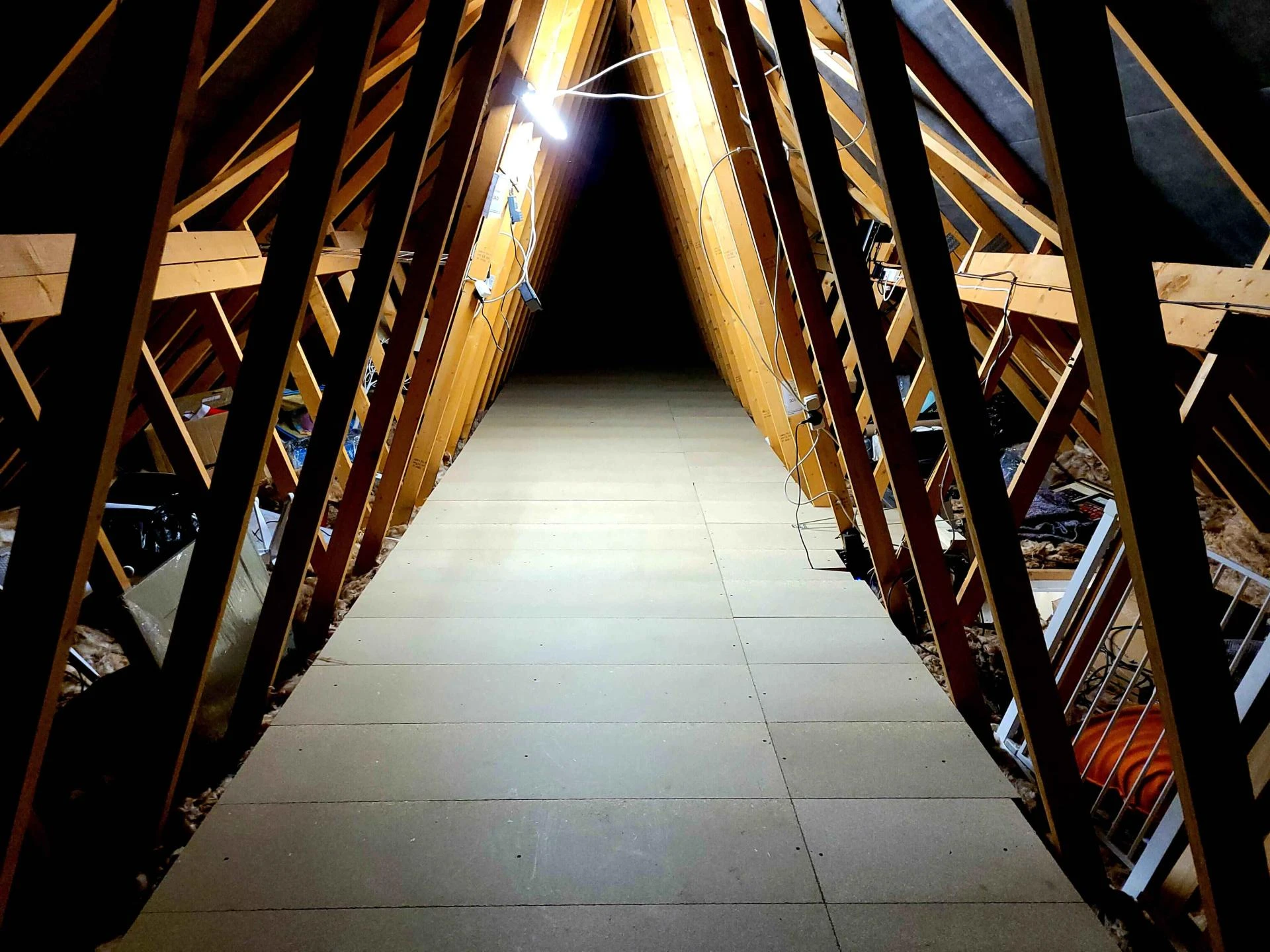
Loft boarding involves installing a floor over the joists in your attic space, creating a stable platform for storage or even additional living areas. This process not only enhances storage capacity but also plays a crucial role in improving your home's insulation and energy efficiency.
Benefits of Loft Boarding
1. Increased Storage Space
By boarding your loft, you can effectively utilize the unused space above your ceiling. This additional area can serve as storage for items that are not frequently used, helping to declutter your living areas and keep your home organized.
2. Enhanced Energy Efficiency
Properly installed loft boarding can significantly improve your home's insulation. By retaining heat during the winter and keeping your home cooler in the summer, effective insulation reduces energy consumption, leading to lower utility bills.
3. Improved Property Value
A well-executed loft boarding project can add value to your property. Potential buyers often view additional storage or usable space as a significant advantage, making your home more appealing in the real estate market.
Key Considerations Before Boarding Your Loft
Before embarking on a loft boarding project, it's essential to consider several factors to ensure the process is safe, efficient, and meets your specific needs.
1. Assessing the Structural Integrity
Ensure that your loft's structure can support the additional weight of boarding and stored items. Consulting with a structural engineer or a professional loft boarding service can provide clarity on any necessary reinforcements.
2. Insulation Requirements
Current building regulations recommend a minimum of 270mm of loft insulation. It's crucial to maintain or upgrade your insulation to this standard before installing boarding to maximize energy efficiency.
3. Ventilation
Adequate ventilation prevents condensation and moisture buildup, which can lead to mold growth and structural damage. Ensure that your loft space remains well-ventilated after boarding is installed.
4. Accessibility
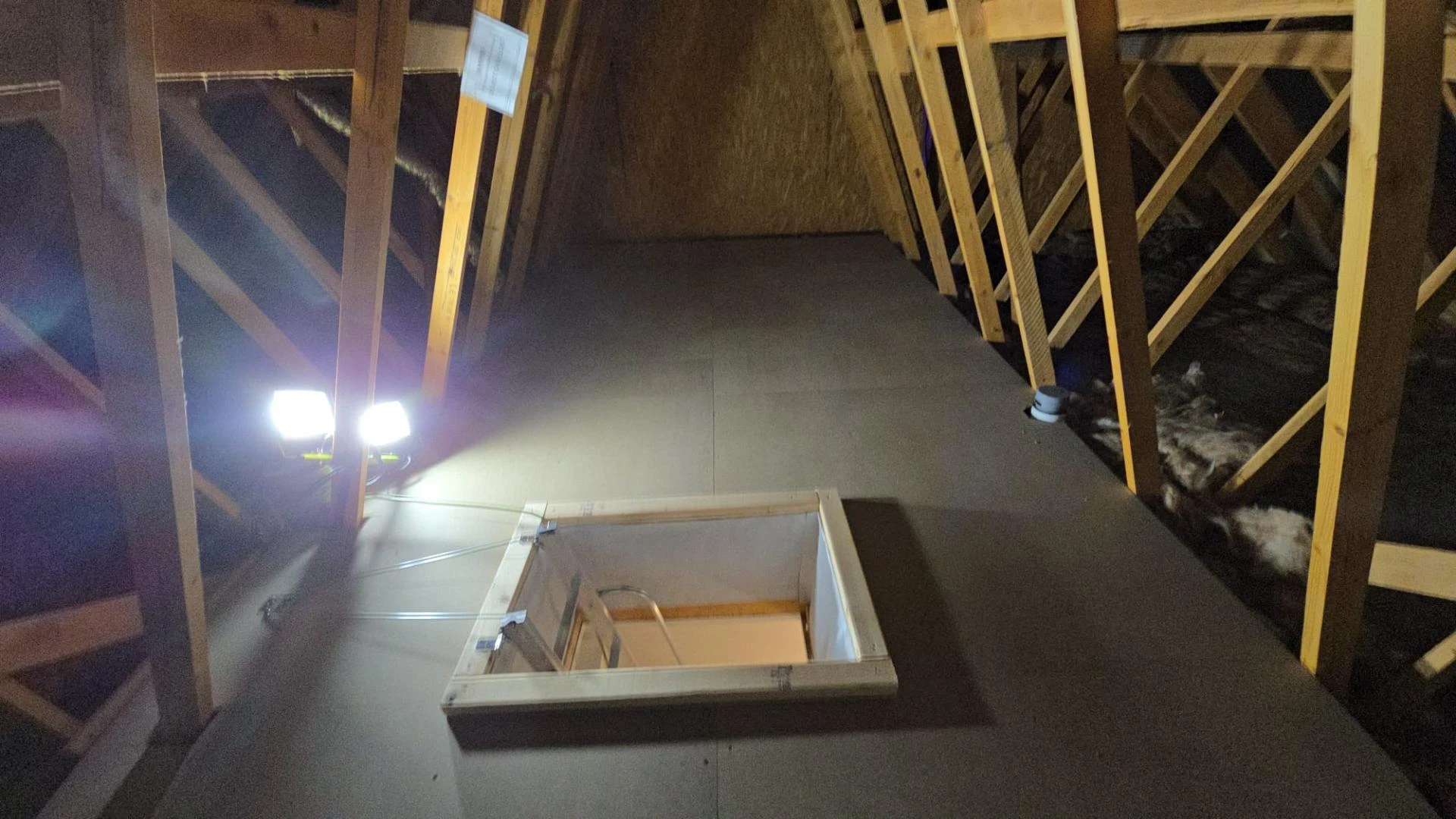
Consider how you will access the boarded loft. Installing a sturdy loft ladder and ensuring the hatch is appropriately sized and positioned will make accessing the space safer and more convenient.
Types of Loft Boarding Solutions
Several loft boarding solutions are available, each with its advantages. Choosing the right one depends on your specific requirements, budget, and the existing structure of your loft.
1. Standard Loft Boarding
This traditional method involves laying boards directly onto the existing joists. While cost-effective, it may not accommodate the recommended insulation depth, potentially compromising energy efficiency.
2. Raised Loft Boarding Systems
Raised loft boarding systems, such as the LoftZone StoreFloor, elevate the boarding above the insulation layer. This approach preserves the insulation's effectiveness and ensures adequate airflow, preventing condensation issues.
3. Loft Leg Systems
Loft legs are adjustable supports that raise the boarding above the insulation. They are relatively easy to install and provide a cost-effective solution for maintaining insulation depth and ventilation.
Installation Process
Understanding the installation process can help you decide whether to undertake the project yourself or hire professionals.
1. Preparation
- Clear the Loft Space: Remove any existing items and debris to create a safe working environment.
- Inspect the Area: Check for any signs of damage, such as leaks or structural issues, and address them before proceeding.
2. Insulation Installation
- Assess Current Insulation: Ensure existing insulation meets the recommended 270mm depth. If not, add additional insulation material as needed.
- Lay Insulation: Install insulation between the joists, ensuring it is evenly distributed and not compressed.
3. Installing the Boarding
- Choose the Boarding System: Select between standard, raised, or loft leg systems based on your needs.
- Lay the Boards: Position the boards perpendicular to the joists, securing them firmly. Ensure there are no gaps, and the boards are level.
4. Ensuring Ventilation
- Install Ventilation Measures: Use ventilation grilles or ensure gaps are left around the edges to promote airflow.
- Check for Obstructions: Ensure that insulation or boarding does not block any existing ventilation paths.
DIY vs. Professional Installation
Deciding between a DIY approach and hiring professionals depends on your skill level, available time, and the complexity of the project.
DIY Installation
- Pros:
- Cost savings on labor.
- Flexibility to work at your own pace.
- Cons:
- Requires a certain level of skill and knowledge.
- Potential safety risks if not done correctly.
- May take longer to complete.
Professional Installation
- Pros:
- Expertise ensures the job is done correctly and safely.
- Typically faster completion time.
- Professionals can identify and address potential issues you may overlook.
- Cons:
- Higher upfront cost due to labor charges.
Choosing the Best Loft Boarding Service
If you opt for professional installation, selecting the right service provider is crucial.
1. Experience and Expertise
Look for companies with a proven track record in loft boarding installations. Experienced professionals are more likely to deliver quality work and handle any challenges that arise during the project.
2. Customer Reviews and Testimonials
Research customer feedback to gauge the company's reputation. Positive reviews and testimonials can provide insight into the quality of service and customer satisfaction.
3. Comprehensive Services
Choose a provider that offers a complete package, including insulation assessment, ventilation solutions, and post-installation support. A comprehensive service ensures all aspects of the project are handled professionally.
4. Warranty and Guarantees
A reputable company should offer warranties or guarantees on their workmanship and materials used. This provides peace of mind and assurance of the quality of work.
Conclusion
Transforming your loft into a functional storage area while enhancing your home's energy efficiency is a worthwhile investment. By carefully considering the type of loft boarding solution, ensuring proper insulation and ventilation, and choosing the best loft boarding service, you can maximize the benefits of your loft space. Whether you decide to undertake the project yourself or hire professionals, the result will be a more organized, energy-efficient, and valuable home.
Frequently Asked Questions (FAQs)
1. Can I install loft boarding without compromising my insulation?
Yes, by using raised loft boarding systems or loft legs, you can install boarding above the insulation layer, preserving its effectiveness and ensuring adequate ventilation.
2. How much weight can a boarded loft support?
The weight capacity depends on your loft's structural integrity. It's essential to consult with a structural engineer or professional installer to assess and reinforce the joists if necessary.
3. Will boarding my loft increase my property's value?
A properly boarded loft can add value by providing additional storage space and improving energy efficiency, making your property more appealing to potential buyers.
4. How long does the installation process take?
The duration varies based on the size of the area and the complexity of the project. Professional installations typically take one to two days, while DIY projects may take longer.
5. Is planning permission required for loft boarding?
In most cases, boarding your loft for storage does not require planning permission. However, if you're converting the loft into
























Sign in to leave a comment.