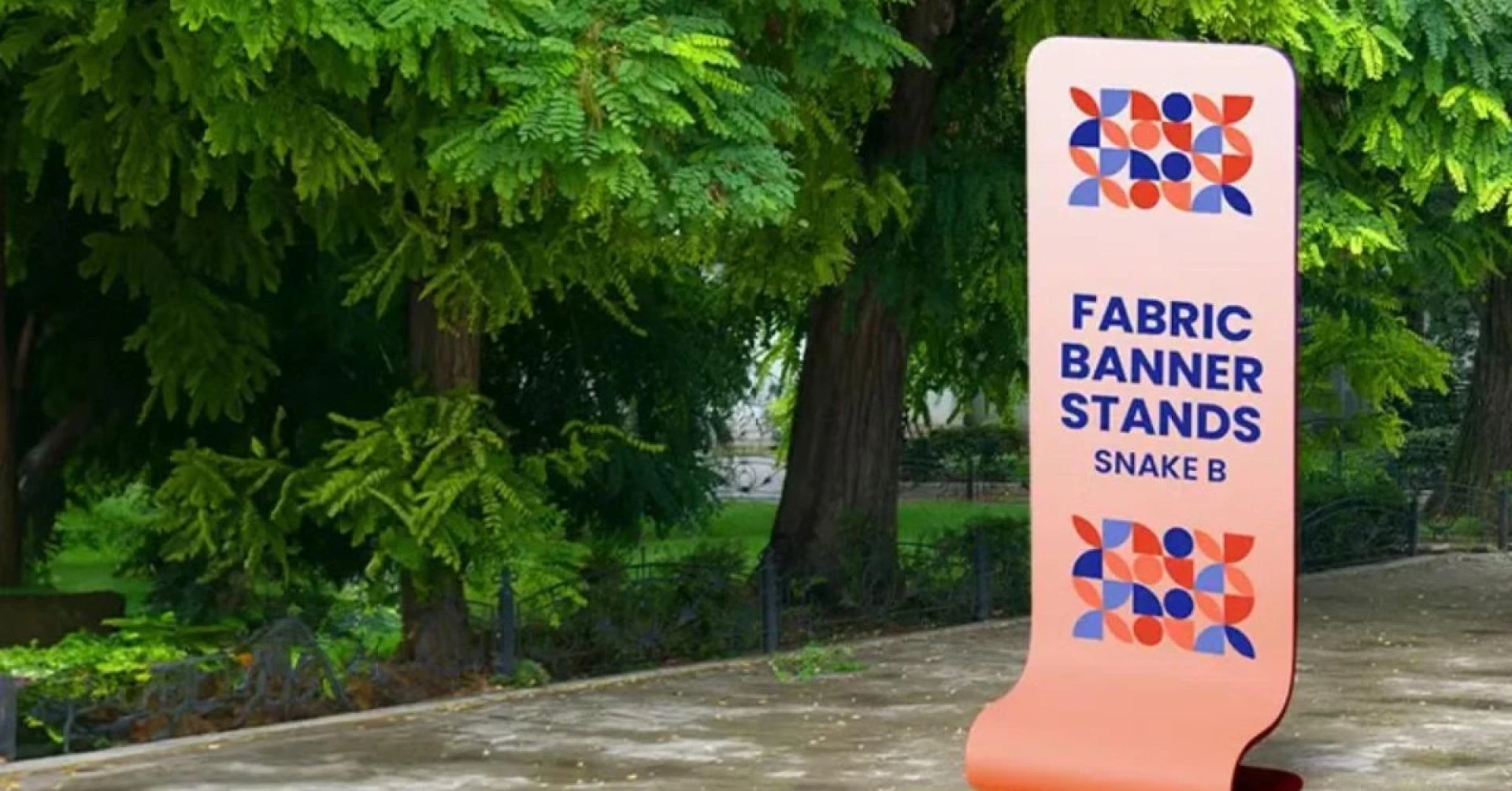
An outdoor signboard is more than just a name on a wall. It’s the first handshake, the silent salesperson, and often the deciding factor that pulls a passerby inside. I’ve seen businesses spend weeks perfecting logos and messages, only to lose impact because the signboard material couldn’t survive sun, rain, or time. That’s why businesses exploring sign boards Chennai focus not just on appearance, but on durability, visibility, and long-term performance.
Choosing the right material isn’t about trends alone—it’s about maintenance, resilience, and how your brand should feel when someone looks at it from across the street. If you’re investing in an outdoor signboard, this guide will help you understand the best materials available today, how they perform in real conditions, and which one truly fits your purpose.
Why Material Choice Matters More Than Design
Design grabs attention, but material holds that attention for years. Outdoor environments are unforgiving. Heat fades colors, rain weakens poor surfaces, wind tests strength, and pollution dulls finishes. A great design printed on the wrong material can look tired within months, while a thoughtfully chosen material keeps your sign sharp and confident year after year.
Material also affects perception. A sturdy, well-finished signboard quietly communicates reliability and professionalism. A flimsy or weather-worn sign sends the opposite message—even if the business inside is excellent.
Aluminium: Lightweight Strength with Lasting Appeal
Aluminium remains one of the most popular materials for outdoor signboards, and for good reason. It’s lightweight yet strong, resistant to rust, and performs well in harsh weather conditions. Whether it’s intense sunlight or heavy rainfall, aluminium doesn’t warp or crack easily.
What I personally like about aluminium is its clean, modern feel. It suits storefronts, offices, and commercial buildings that want a neat, professional appearance. It also works well with vinyl graphics, UV printing, and painted finishes, giving flexibility in design without sacrificing durability.
Maintenance is minimal. A simple wipe-down restores its shine, making it ideal for businesses that want longevity without constant upkeep.
Acrylic: Bold, Glossy, and Eye-Catching
Acrylic is often chosen when visual impact is a priority. Its glossy surface reflects light beautifully, making colors appear richer and more vibrant. For outdoor signage, acrylic delivers a premium look that stands out both day and night.
Though acrylic is technically a plastic, it doesn’t feel cheap when used correctly. Thicker acrylic sheets are strong, weather-resistant, and capable of holding shape over time. They’re often used for illuminated signboards, backlit displays, and 3D lettering because of how well they interact with light.
However, acrylic does require careful installation. While durable, it can crack under heavy impact. When installed securely and paired with the right thickness, it becomes a powerful outdoor material that balances beauty and performance.
Stainless Steel: Strength That Speaks Authority
There’s something unmistakably solid about stainless steel signboards. They don’t shout for attention, but they command respect. This material is all about strength, elegance, and permanence.
Stainless steel handles extreme weather without corroding or losing structure. It’s especially suited for businesses that want a refined, high-end appearance—corporate offices, hotels, hospitals, and premium retail spaces.
Different finishes like brushed, mirror, or matte create varied visual moods. While stainless steel can be more expensive than other materials, it’s an investment that pays off through unmatched durability and a timeless look that never feels outdated.
ACP Sheets: Versatile and Cost-Effective
Aluminium Composite Panels, commonly known as ACP sheets, are widely used for outdoor signboards due to their versatility. They consist of two aluminium layers bonded to a core, offering strength without excessive weight.
ACP sheets are easy to cut, shape, and install, making them suitable for large signboards and complex designs. They also come in a wide range of colors and finishes, including metallic and textured options.
One of the biggest advantages of ACP is balance—it offers good durability, decent weather resistance, and affordability. For businesses looking to cover larger areas without overspending, ACP remains a practical and visually appealing option.
Flex Material: Visibility on a Budget
Flex signboards are everywhere, and there’s a reason for that. They’re affordable, lightweight, and capable of delivering bold visuals at a lower cost. Flex material works especially well for temporary signage, promotional displays, and locations where frequent changes are needed.
Modern flex materials are better than earlier versions, with improved print quality and resistance to fading. When paired with proper lighting, flex signboards can be highly visible even at night.
That said, flex doesn’t offer the same lifespan as metal or acrylic materials. It’s best chosen when budget and short-term visibility are the main priorities rather than long-term durability.
Wood: Natural Charm with Careful Consideration
Wooden signboards bring warmth and character that no synthetic material can replicate. They work beautifully for cafés, boutiques, resorts, and businesses that want a handcrafted, organic feel.
Outdoor use, however, demands treated wood. Without proper coating and sealing, wood is vulnerable to moisture, insects, and sunlight. When maintained well, wooden signboards age gracefully, developing a unique character rather than looking worn.
Wood is best for brands that value authenticity and are willing to invest in periodic maintenance to preserve its charm.
PVC Foam Boards: Lightweight and Adaptable
PVC foam boards are another practical option for outdoor signage, especially where weight is a concern. They’re easy to install, smooth for printing, and resistant to moisture.
While not as strong as metal, PVC boards perform well in sheltered outdoor areas. They’re often used for wall-mounted signs, directional boards, and temporary outdoor branding.
For small businesses or startups, PVC foam boards offer a clean look without heavy investment, provided they’re used in suitable environments.
Choosing the Right Material for Your Needs
There’s no universal “best” material—only the best choice for your situation. Before deciding, consider where the signboard will be placed, how much exposure it will face, and what impression you want to create.
If longevity and strength are your priorities, metals like aluminium or stainless steel are hard to beat. If visual impact and illumination matter more, acrylic delivers striking results. For budget-conscious or temporary needs, flex and PVC boards serve their purpose well.
Also think about maintenance. A material that looks great today but requires frequent repairs may cost more in the long run than a slightly higher upfront investment.
Final Thoughts
An outdoor signboard is a long-term voice for your business. It speaks when you’re not around, works day and night, and forms opinions before a single word is exchanged. Choosing the right material ensures that voice remains confident, clear, and consistent over time—many brands even opt for metal letters Chennai to achieve strength, elegance, and lasting impact.
When you select a material thoughtfully, you’re not just buying a sign—you’re building a presence that stands strong against weather, time, and competition. And that’s a decision worth getting right the first time.






















Sign in to leave a comment.