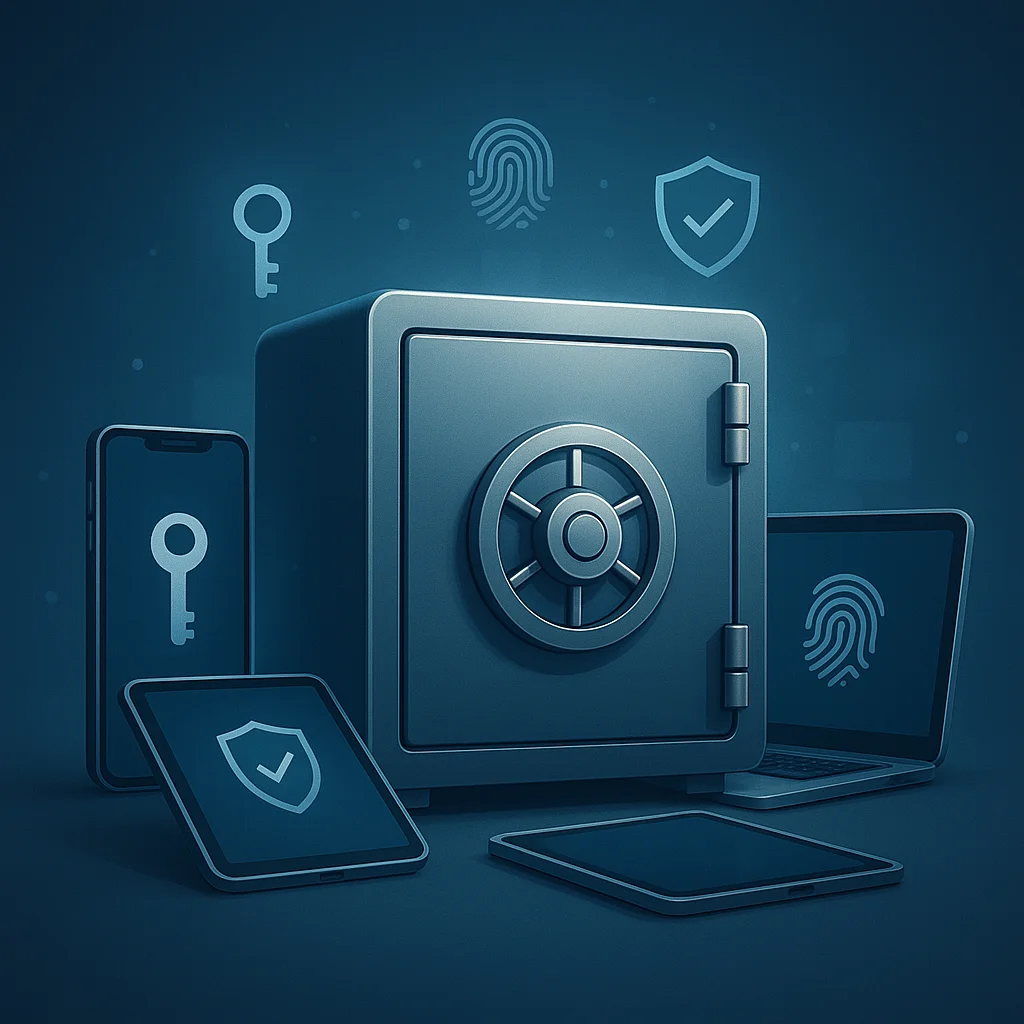

Introduction: The Rising Imperative of Robust Password Management
In the digital age, the average person manages dozens of online accounts, each necessitating a unique and complex password to ensure security. However, human memory struggles to keep up with the growing demand for strong credentials, often resulting in weak or reused passwords. Cybersecurity incidents related to credential theft have surged—according to Statista, over 80% of hacking-related breaches involve compromised passwords. This stark reality underscores why password managers have become essential tools for individuals and enterprises alike.
Imagine a scenario: a journalist covering sensitive topics in Marrakesh tries to access a crucial account but can’t recall the password. A password manager not only stores the credentials securely but also generates complex passwords, reducing the risk of breaches. This article offers a comprehensive comparison of the best password managers available today, analyzing their security features, usability, pricing, and recent updates in 2026.
Historical Context: Evolution of Password Management Technology
The concept of password management software dates back to the early 2000s, initially designed as simple encrypted vaults on a single device. Over the past two decades, password managers have evolved dramatically. The transition from standalone desktop applications to cloud-synced, multi-platform services marked a major milestone, enabling users to access their vaults from anywhere.
Early password managers primarily offered basic encryption and autofill capabilities. However, the proliferation of cyber threats such as credential stuffing, phishing, and data breaches has pushed developers to incorporate advanced security measures. Multi-factor authentication (MFA), zero-knowledge architecture, biometric unlock, and breach monitoring are now standard in top-tier products.
Industry reports note that the shift towards zero-knowledge encryption—where even the service provider cannot access the stored data—has been pivotal in building user trust. This evolution has also been paralleled by increased regulatory scrutiny around data privacy, such as GDPR and CCPA, which affected how password managers handle user data globally.
Core Analysis: Comparing Leading Password Managers in 2026
In 2026, the market offers a rich variety of password managers, each with nuanced strengths. The following analysis compares seven prominent players based on security protocols, feature sets, compatibility, and pricing.
Security Features
- LastPass: Uses AES-256 bit encryption with zero-knowledge architecture. Offers adaptive MFA, including hardware tokens and biometric options.
- 1Password: Employs end-to-end encryption with a secret key, requiring both a master password and a unique device key. Its Watchtower feature alerts users to vulnerabilities.
- Dashlane: Combines AES-256 encryption with automatic VPN and dark web monitoring, enhancing privacy protection.
- Bitwarden: Open-source with transparent security audits. Supports end-to-end encryption and self-hosting options for advanced users.
- Keeper: Incorporates biometric unlock, breach monitoring, and compliance with HIPAA and GDPR.
- NordPass: Developed by cybersecurity veterans; uses XChaCha20 encryption and offers password health reports.
- RoboForm: Known for its form-filling accuracy and two-factor authentication support.
Usability and Platform Support
Cross-device compatibility is critical. Most top managers support Windows, macOS, iOS, Android, and browser extensions. However, nuances exist:
- 1Password’s seamless integration with Apple ecosystems is appreciated by Mac users.
- Dashlane offers a user-friendly interface with dark mode and password sharing.
- Bitwarden’s open-source nature appeals to tech-savvy users who prioritize transparency.
- Keeper emphasizes enterprise-grade controls, suitable for businesses.
Pricing and Plans
Pricing varies from free tiers with limited features to premium subscriptions. For example:
- LastPass offers a free plan with password storage on one device; premium plans start at $3/month.
- 1Password’s family plan supports up to 5 users at $5/month.
- Bitwarden offers an affordable premium tier at $1/month and self-hosting for enterprises.
Developments in 2026: Innovations and Industry Shifts
This year has seen notable progress in password management technologies, driven by growing cybersecurity threats and user demand for ease without compromising security. A few key trends have emerged:
- AI-Enhanced Password Generation: Some managers now use AI to create context-aware passwords, balancing complexity with memorability for users who prefer manual recall.
- Biometric-Integrated Vaults: Advanced biometric authentication such as vein scanning and behavioral biometrics have been integrated into password managers, adding an additional security layer.
- Decentralized Identity (DID) Integration: A nascent but promising development is the integration of password managers with decentralized identity frameworks, allowing users to control identity attributes without centralized intermediaries.
- Cross-Platform Universal Autofill: Enhanced autofill across apps and devices, especially with mobile-to-desktop synchronization, has improved user experience.
Furthermore, regulatory compliance remains a focal point. Password managers now often include built-in privacy reports and compliance dashboards, helping users and businesses adhere to international data protection laws.
Expert Perspectives: The Cybersecurity Community Weighs In
"Password managers remain the frontline defense against credential-related breaches. Their evolution towards zero-knowledge and biometric integration marks a maturity in secure user authentication," says Dr. Lena Hoffmann, a cybersecurity researcher specializing in identity management.
Industry experts emphasize that while password managers dramatically reduce risks associated with password reuse and weak credentials, user education remains critical. Misconfiguration, phishing attacks targeting password manager master passwords, and device compromise can undermine their benefits.
According to cybersecurity consultant Omar Al-Farsi, "Enterprises adopting password managers must integrate them into a broader security framework, including endpoint protection and continuous monitoring, to maximize effectiveness."
Beyond individual users, organizations are increasingly leveraging password managers with Single Sign-On (SSO) and Privileged Access Management (PAM) tools, streamlining security for large teams. This convergence between password managers and enterprise-grade identity solutions is a significant trend explored further in the WriteUpCafe article on 2026 Update: Best Password Managers Compared for Security and Usability.
Looking Ahead: Future Outlook and Practical Takeaways
The trajectory of password manager development suggests several implications for users and cybersecurity strategists:
- Hybrid Authentication Models: Expect broader adoption of multi-modal authentication combining biometrics, hardware tokens, and traditional passwords managed through unified platforms.
- Greater Interoperability: Password managers will likely integrate more deeply with identity verification standards like FIDO2 and decentralized identity to reduce reliance on passwords altogether.
- User-Centric Privacy Controls: Enhanced transparency and user control over data collected and stored will become competitive differentiators.
- Enterprise Integration: More sophisticated role-based access controls and audit capabilities will cater to corporate clients.
For individuals selecting a password manager, the following practical guidelines are advised:
- Choose a manager with zero-knowledge architecture to ensure your data remains encrypted and inaccessible to service providers.
- Prioritize those offering multi-factor authentication and breach alerts.
- Consider platform compatibility and usability to ensure adoption and consistent use.
- Evaluate pricing structures based on your needs—free versions are often sufficient for personal use, while businesses will benefit from premium plans.
For further detailed comparisons and evolving features, readers can refer to WriteUpCafe’s comprehensive analysis on Top Password Managers Compared in 2026 and The Future of Best Password Managers Compared in 2026.
Real-World Case Studies: Password Managers in Action
Consider the case of a multinational law firm that transitioned to using Keeper across its 500 employees. Prior to adoption, the firm experienced minor breaches due to password reuse. Post-implementation, the firm reported a 90% reduction in credential-related security incidents within the first year, attributed to Keeper’s enterprise controls and biometric login options.
In another example, a freelance journalist in North Africa adopted Bitwarden’s open-source solution—benefiting from the transparency and self-hosting capabilities to protect sensitive sources. The ability to audit the code and customize the deployment was instrumental in mitigating risks in a high-threat environment.
Dashlane’s dark web monitoring feature has also proven valuable for users aware of data leaks. One user discovered their credentials had been exposed in a breach and immediately changed passwords, preventing further exploitation. This proactive alerting mechanism exemplifies the practical security benefits password managers can offer.
Conclusion: Choosing the Right Password Manager for Your Needs
As cyber threats become more sophisticated, the role of password managers in personal and organizational cybersecurity frameworks cannot be overstated. While no single solution fits all, understanding the strengths and trade-offs among leading products is essential.
Security must be balanced with usability to ensure adoption. The innovations of 2026, including AI-driven password generation and biometric integrations, offer promising enhancements but require informed user engagement.
Ultimately, selecting a password manager entails evaluating your threat model, platform needs, budget, and willingness to adopt new technologies. The detailed comparisons by The New York Times and BGR provide additional perspectives on user satisfaction and feature efficacy, reinforcing the value of comprehensive research before committing.
For ongoing updates and expert analyses on cybersecurity tools, including password managers, WriteUpCafe remains a reliable resource.




















Sign in to leave a comment.