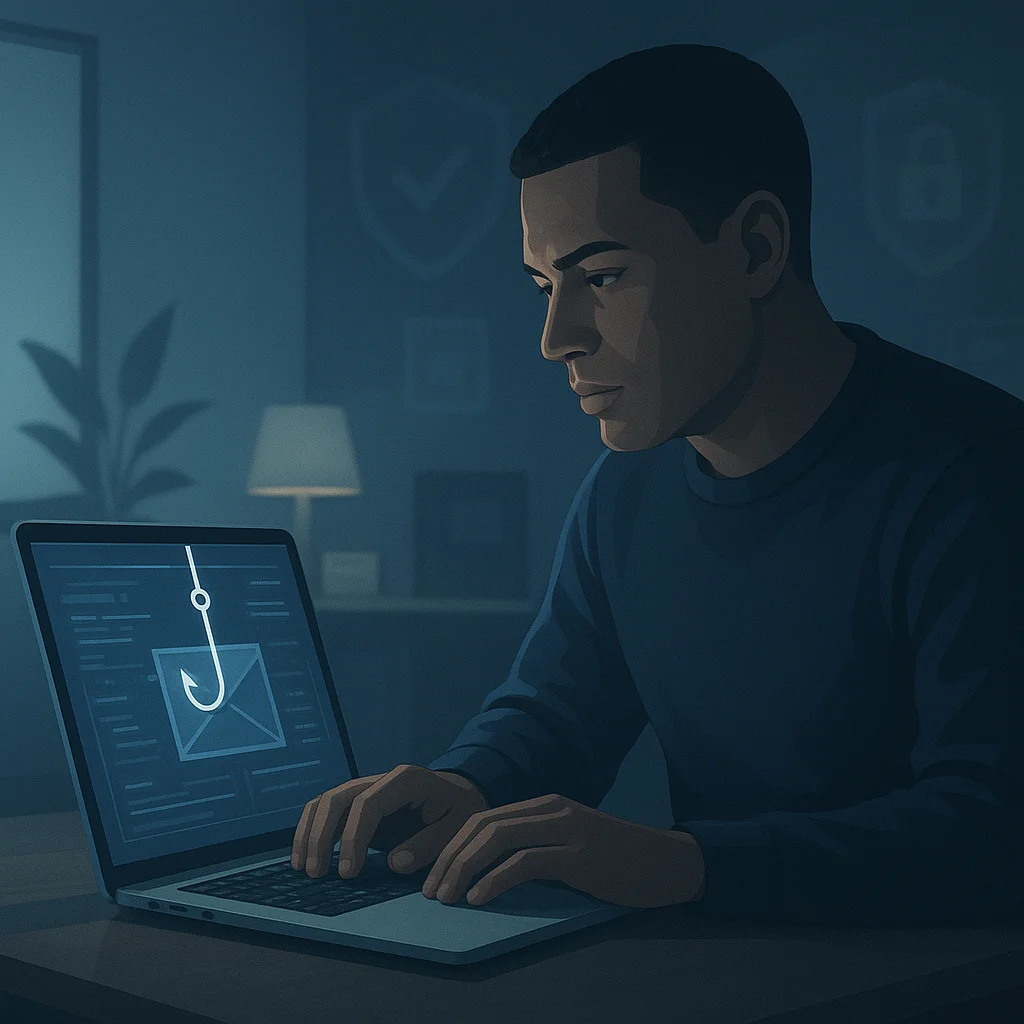

Phishing: The Persistent Threat in Digital Communication
Imagine receiving an urgent email from your bank, warning you of suspicious activity and demanding immediate action. The message looks legitimate—complete with logos, a professional tone, and links that appear genuine. Yet, this seemingly routine alert conceals a trap: a phishing attack designed to steal your credentials. In 2026, phishing remains one of the most pervasive cybersecurity threats worldwide, exploiting human trust and technical loopholes alike. According to Outlook India, phishing attacks are increasingly targeting cryptocurrency users, amplifying the stakes for individuals and organizations alike (Outlook India). Understanding how to protect yourself is no longer optional—it is essential.
Phishing is a form of cyberattack that uses deceptive communication, primarily emails, but also texts and calls, to trick victims into revealing sensitive information such as passwords, credit card numbers, or private keys. The damage caused by phishing can range from financial loss to identity theft and corporate breaches. The challenge lies not just in recognizing phishing attempts, but in understanding the evolving tactics that attackers employ.
"Phishing attacks are not merely technical exploits but psychological manipulations that prey on trust and urgency," cybersecurity expert Dr. Lina Harper notes.
This article explores the multifaceted nature of phishing in 2026, offering a comprehensive guide on how to safeguard yourself by blending technological defenses, behavioral awareness, and proactive strategies.
The Evolution of Phishing: From Mass Emails to Sophisticated Social Engineering
Phishing has evolved dramatically since its inception in the mid-1990s, when attackers sent generic emails en masse hoping to catch unsuspecting users. Over the decades, attackers have refined their methods, making phishing campaigns highly targeted and difficult to detect.
Initially, phishing emails were characterized by poor grammar, obvious fake URLs, and generic greetings. Today, spear phishing—targeted phishing aimed at specific individuals or organizations—dominates the threat landscape. Attackers conduct extensive research to craft convincing messages that leverage personal or corporate information. This shift has made phishing more dangerous and successful.
Technological advancements such as AI-generated content have further complicated detection efforts. Deepfake audio and video phishing, where attackers impersonate trusted figures using synthetic media, have emerged as new vectors. For example, in 2025, a European energy firm fell victim to a CEO impersonation attack that led to a $10 million fraudulent transfer.
In parallel, the rise of cryptocurrency has introduced novel phishing opportunities. Attackers target wallets and exchanges, often via phishing links promising lucrative investment opportunities or urgent security updates. The decentralized nature of cryptocurrency amplifies the impact, as stolen assets are difficult to recover.
Understanding this progression is critical. As phishing becomes more personalized and technologically advanced, traditional defenses like spam filters are insufficient on their own. Users must remain vigilant and informed.
"The sophistication of phishing today requires a layered defense combining human skepticism and technological tools," says cybersecurity strategist Marco Silva.
Recognizing Phishing: Key Indicators and Red Flags
Despite increasing complexity, phishing attacks retain certain telltale signs that users can learn to identify. Recognizing these indicators is the first line of defense.
Phishing emails often contain subtle but critical anomalies. These include:
- Sender Address Mismatch: The email address may resemble a legitimate one but with slight alterations or unusual domains.
- Generic Greetings: Messages that lack personalization or use vague salutations like "Dear Customer".
- Urgent or Threatening Language: Phishing attempts frequently pressure recipients to act immediately to avoid consequences.
- Suspicious Links or Attachments: Links may lead to URLs that mimic real websites but have misspellings or odd domain extensions.
- Unexpected Requests: Legitimate organizations rarely ask for sensitive information via email.
Technological tools such as email clients increasingly highlight suspicious messages, but these are not foolproof. Users should verify unexpected requests by contacting the sender through official channels.
Behavioral cues can also help. Emails that trigger anxiety or excitement—such as offers that seem too good to be true—should be scrutinized carefully. If an email references personal details, cross-check them for accuracy and consistency.
Training programs and simulated phishing tests have proven effective in improving user awareness, especially in corporate environments. WriteUpCafe's analysis of common mistakes highlights that many users overlook subtle clues due to cognitive biases or complacency.
Defensive Technologies and Best Practices in 2026
The cybersecurity industry has responded with a broad arsenal of technologies designed to thwart phishing attacks. Yet, no single solution is sufficient; layered defenses are critical.
Email Filtering and Anti-Phishing Software: Modern email systems employ machine learning and heuristic analysis to detect phishing attempts. These tools analyze sender reputation, message content, and embedded URLs to quarantine or flag suspicious emails.
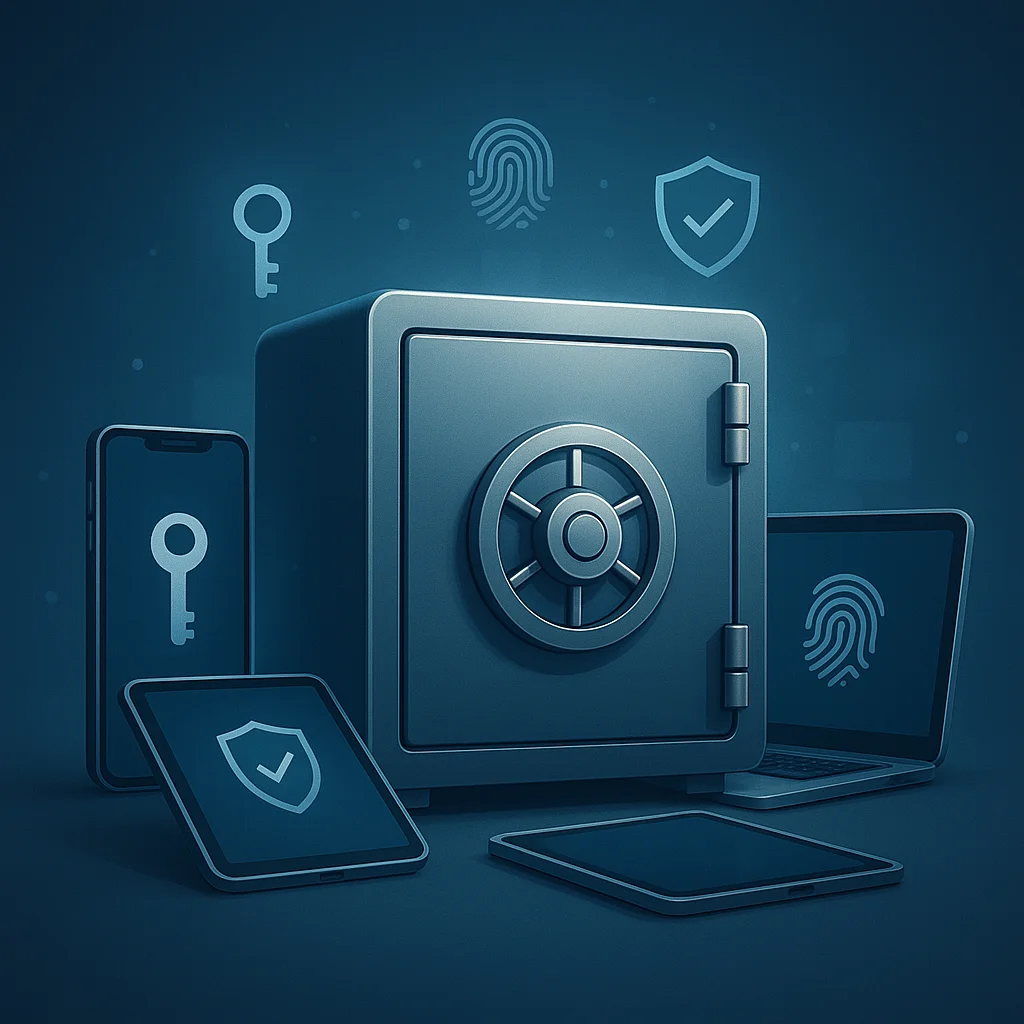
Multi-Factor Authentication (MFA): MFA has become a cornerstone of account security. By requiring additional verification factors beyond passwords, MFA limits the damage even if credentials are compromised.
Browser Security Enhancements: Browsers now integrate real-time phishing detection to warn users when they attempt to visit fraudulent websites. Features like sandboxing and certificate pinning also prevent malicious code execution.
Security Awareness Training: Ongoing education remains vital. Organizations often deploy simulated phishing campaigns to test employee readiness and reinforce best practices.
Applying these defenses requires consistent upkeep and adaptation. Attackers continuously modify tactics, necessitating updates to filtering algorithms and user training content.
Consider this practical checklist for personal cybersecurity hygiene:
- Enable MFA on all critical accounts, including email and financial services.
- Verify unexpected requests for sensitive information by contacting the institution directly.
- Keep software, browsers, and security tools updated to patch vulnerabilities.
- Use password managers to generate and store strong, unique passwords.
- Regularly review account activity for unauthorized access.
These steps align with recommendations found in WriteUpCafe's guide on protecting yourself from phishing in 2026, underscoring the importance of a proactive stance.
Recent Trends and Developments in Phishing Attacks
2026 has seen notable shifts in phishing techniques and targets. Cybercriminals are increasingly exploiting emerging technologies and societal trends.
Rise of AI-Powered Phishing: Attackers employ AI to generate highly personalized phishing messages at scale, mimicking writing styles and incorporating real-time data harvested from social media and breached databases.
Targeting Remote Work Infrastructure: The hybrid and remote work environments have expanded attack surfaces. Phishing campaigns often impersonate IT departments or collaboration tools to harvest credentials.
Cryptocurrency and Web3 Vulnerabilities: As outlined by Outlook India, phishing attacks targeting crypto wallets and decentralized applications have surged, with criminals masquerading as legitimate DeFi platforms or NFT marketplaces.
Mobile Phishing (Smishing): The shift towards mobile communication has increased SMS phishing incidents, with attackers exploiting trusted SMS channels for fraud.
- Statistical Insight: The Anti-Phishing Working Group (APWG) reported a 27% increase in phishing attacks in Q1 2026 compared to the previous year.
- Sector Focus: Financial services, healthcare, and technology sectors remain the most targeted.
- Geographical Trends: Emerging markets are seeing rapid growth in phishing incidents due to expanding internet penetration and limited cybersecurity infrastructure.
These trends emphasize the need for vigilance across platforms and continuous adaptation of defense measures.
Expert Perspectives and Industry Impact
Leading cybersecurity professionals agree that combating phishing requires a holistic approach integrating technology, education, and policy.
Dr. Mina Al-Sharif, Head of Cyber Defense at a multinational security firm, highlights:
"Phishing is fundamentally a social engineering problem. Technology can mitigate risk, but empowering users with critical thinking skills is equally essential."
Industry impact is profound. Beyond financial losses, phishing undermines organizational trust, disrupts operations, and jeopardizes customer data. Regulatory frameworks such as GDPR and CCPA impose heavy penalties for breaches resulting from phishing, increasing compliance stakes.
Corporate leaders are adopting zero-trust models, assuming breach potential and enforcing strict access controls. Collaboration between businesses, governments, and cybersecurity communities is evolving to share threat intelligence and coordinate responses.
Moreover, public awareness campaigns and accessible resources contribute to strengthening societal resilience against phishing. WriteUpCafe's detailed reports on recent updates in phishing protection reflect the community-driven nature of this defense effort.
Looking Ahead: Future Directions and Practical Takeaways
Phishing will remain a dynamic threat as attackers harness new technologies and exploit human factors. Anticipating future developments can help individuals and organizations stay ahead.
Key future directions include:
- Integration of AI in Defense: Leveraging AI for real-time phishing detection and response will become standard.
- Biometric Authentication: Increasing adoption of biometrics may reduce reliance on passwords, limiting phishing efficacy.
- Legislative Evolution: Governments are expected to tighten laws on cybercrime and enforce stricter penalties for phishing-related offenses.
- Cross-Platform Security: Enhanced focus on securing mobile and IoT devices from phishing vectors.
For individuals, the essential takeaways are clear:
- Maintain skepticism toward unsolicited communications, even if seemingly familiar.
- Regularly update knowledge on phishing tactics and defensive tools.
- Adopt layered security measures, combining technology and behavior.
- Engage in community discussions and trainings to stay informed.
Phishing is more than a technical challenge; it is a social battle requiring vigilance, education, and resilience. By embracing a comprehensive approach, users can significantly reduce vulnerability and contribute to a safer digital environment.
"The best defense against phishing is an informed and cautious user," concludes cybersecurity analyst Omar Ben Youssef.



















Sign in to leave a comment.