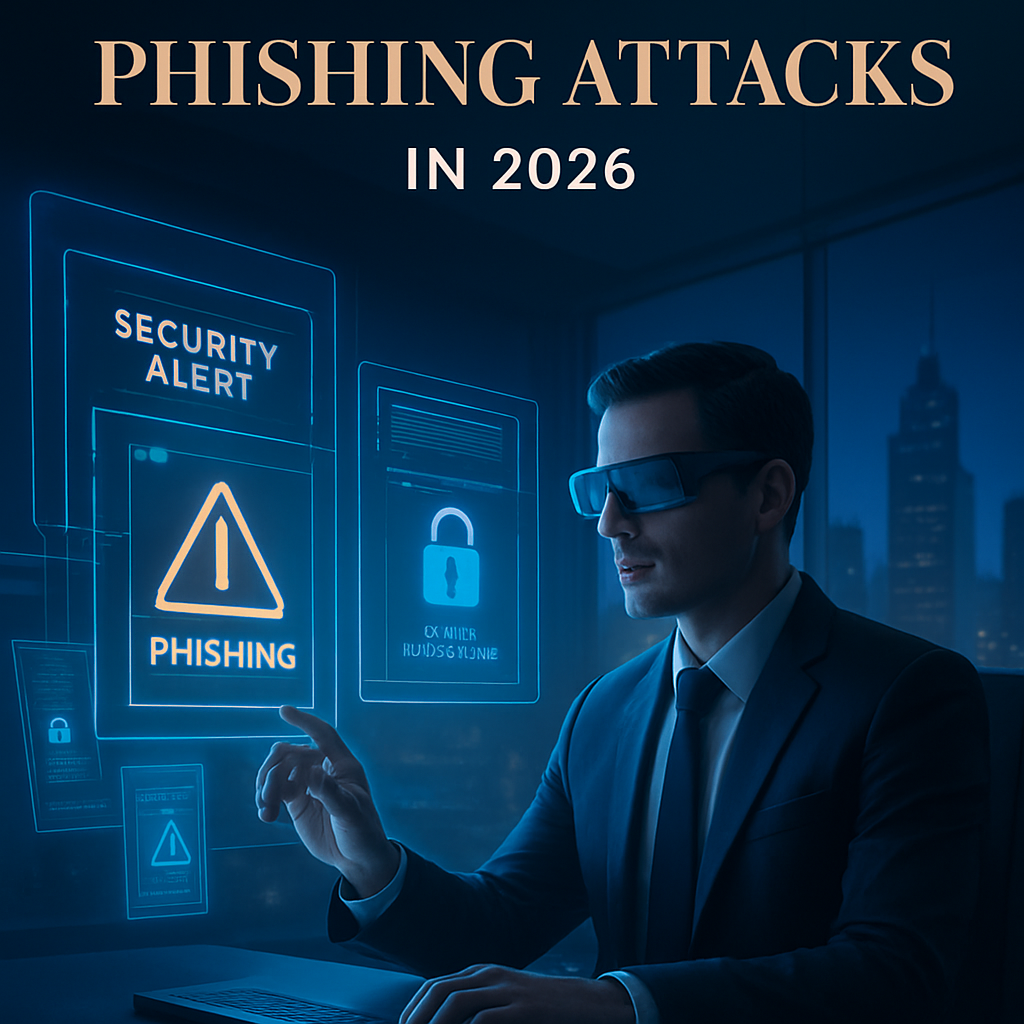

In 2026, the stakes have never been higher when it comes to cybersecurity, as phishing attacks have soared to unprecedented levels. According to a 2026 Cybersecurity Ventures report, phishing attacks have increased by 65% over the past year alone, costing businesses and individuals billions in damages. This alarming trend underscores the urgency for everyone to become more vigilant and informed about these digital threats. Just last month, a major financial institution reported losses exceeding $100 million due to a sophisticated phishing scheme that targeted its clients. This article aims to equip readers with the knowledge and tools necessary to defend against such attacks, which are not only more frequent but also more advanced than ever.
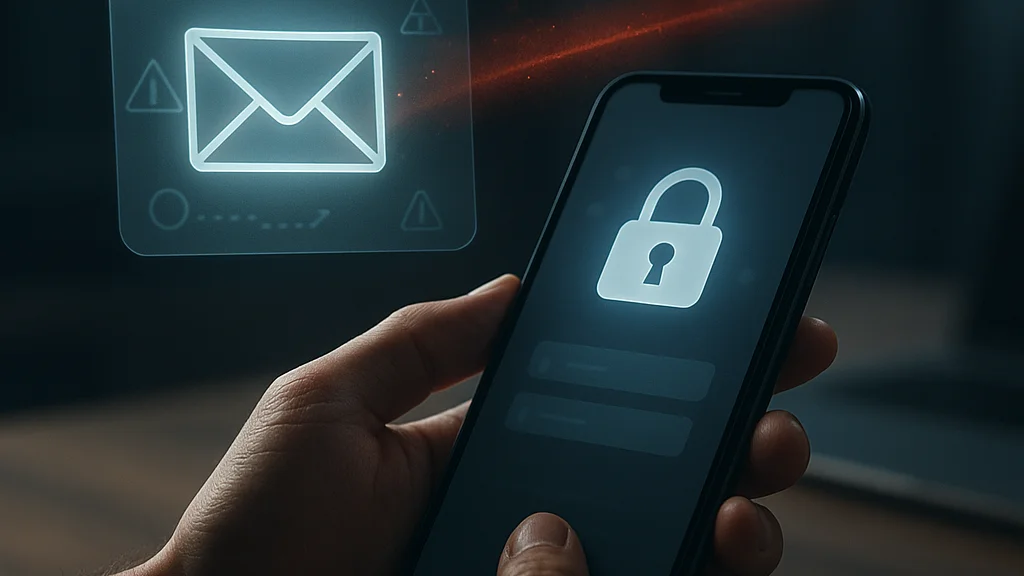
Phishing attacks exploit human psychology and technology, often masquerading as legitimate communications to deceive individuals into revealing sensitive information. These attacks can lead to identity theft, financial loss, and significant privacy breaches. As technology advances, so do the tactics employed by cybercriminals, making it imperative for everyone to stay informed and proactive. By the end of this article, you will have a comprehensive understanding of phishing, its evolution, the current landscape, and practical strategies to safeguard your digital life.
Deep Background
The history of phishing dates back to the mid-1990s, with the first documented instances occurring on America Online (AOL). During this time, cybercriminals began sending deceptive messages to AOL users, tricking them into revealing their passwords. The term "phishing" itself is derived from "fishing," as attackers bait users with tempting or alarming messages to "catch" sensitive information. Over the years, phishing techniques have evolved from simple email scams to complex multi-channel attacks involving social media, phone calls, and even in-person tactics.
"Phishing represents one of the most insidious and persistent threats in cybersecurity today," said Bruce Schneier, a renowned security technologist.
As digital communication expanded, so did the opportunities for phishing. The introduction of smartphones and social media platforms in the late 2000s provided new avenues for cybercriminals. By 2015, phishing attacks became a global issue, with high-profile breaches affecting companies like Sony and Target, highlighting the need for robust cybersecurity measures. Today, phishing remains a significant concern, with new techniques such as spear phishing and whaling targeting specific individuals or high-profile targets.
For more on cybersecurity advancements, explore our cybersecurity page.
The Core Analysis
Phishing attacks have become increasingly sophisticated, leveraging advanced technologies and social engineering tactics. According to a 2026 report by the Anti-Phishing Working Group (APWG), phishing attacks accounted for over $3 billion in global losses last year. These attacks are not only more frequent but also more targeted, with cybercriminals using artificial intelligence (AI) to craft convincing messages that mimic legitimate communications.
Phishing Techniques
- Email Phishing: The most common form, where attackers send emails disguised as reputable entities.
- Spear Phishing: Targeted attacks on specific individuals, often using personal information to increase credibility.
- Whaling: Aimed at high-profile targets within organizations, such as executives.
- Vishing and Smishing: Phishing via voice calls and SMS messages, respectively.
Per a Wired analysis, phishing is now the leading cause of data breaches, surpassing other cyber threats like ransomware. This shift is attributed to the increased use of digital communication and the human tendency to trust familiar brands and contacts. Companies like Google and Microsoft have reported a 30% increase in phishing attempts on their platforms, prompting them to enhance their security measures.
Comparatively, phishing techniques have become more specialized. While traditional methods relied on mass email campaigns, modern phishing attacks often involve multiple channels and personalized content. This evolution makes it difficult for individuals and organizations to detect and prevent these attacks, necessitating a multi-layered defense approach.
Current Landscape & 2026 Developments
Recent developments in 2026 indicate a growing emphasis on combating phishing through technological and legislative measures. The European Union's recent directive on cybersecurity mandates that all member states implement strict anti-phishing protocols, aiming to reduce the number of successful attacks by 50% over the next five years. This move reflects a global trend towards stronger cybersecurity policies and cross-border collaboration.
Technological Innovations
Innovations in AI and machine learning are playing a crucial role in detecting and preventing phishing attacks. Companies are investing in AI-driven solutions that analyze communication patterns and detect anomalies indicative of phishing attempts. According to Bloomberg, several tech giants are collaborating to develop a universal phishing detection framework, which could revolutionize how we approach email and communication security.
Additionally, the rise of multi-factor authentication (MFA) has proven effective in preventing unauthorized access, even if credentials are compromised. A recent survey by Gartner revealed that organizations implementing MFA have seen a 60% reduction in successful phishing attacks, highlighting its importance as a security measure.
Expert Perspectives & Industry Impact
Experts agree that the fight against phishing requires a combination of technology, education, and policy. John Chambers, former CEO of Cisco, emphasized that "awareness and education are just as critical as technological solutions in combating phishing." This sentiment is echoed by cybersecurity professionals who advocate for comprehensive training programs to help individuals recognize and respond to phishing attempts.
"Phishing is not just a technological problem; it's a human one," said Eva Chen, CEO of Trend Micro.
The economic impact of phishing is significant, with businesses incurring not only direct financial losses but also reputational damage and legal liabilities. As phishing attacks become more prevalent, industries are investing heavily in cybersecurity insurance, which is projected to reach a market size of $20 billion by 2028, according to a Statista report.
Explore more on the intersection of technology and security on our digital marketing page.
What to Watch
Looking ahead, the future of phishing will likely involve even more advanced techniques, leveraging emerging technologies such as deepfakes and quantum computing. These developments pose new challenges for cybersecurity professionals, who must continuously adapt to an ever-changing threat landscape.
Organizations and individuals should watch for upcoming regulatory changes that could impact cybersecurity strategies. For instance, the forthcoming Cybersecurity Act in the United States aims to establish a national framework for digital security, potentially influencing global standards.
To stay ahead of phishing threats, it's crucial to implement robust cybersecurity measures, including regular system updates, employee training, and the use of cutting-edge technologies. By remaining informed and proactive, we can mitigate the risks associated with phishing and protect our digital identities in an increasingly connected world.
Stay informed about cybersecurity trends and innovations on our technology page.




























Sign in to leave a comment.