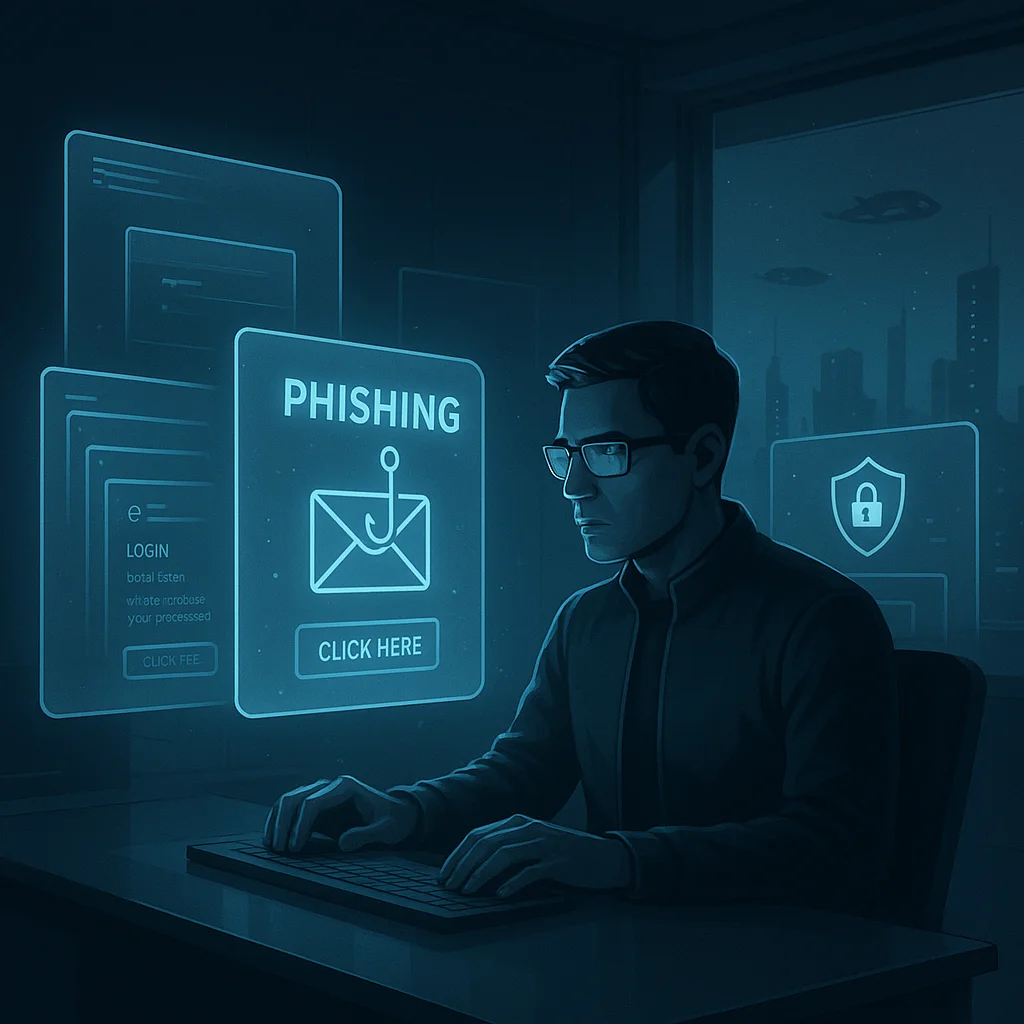

Phishing in 2026: A Persistent Cybersecurity Threat
On a cold morning in Moscow, a mid-level employee at a leading Russian tech firm clicked a seemingly innocent link in an email. The message, crafted to appear as a routine internal communication, was a sophisticated phishing attempt. Within minutes, the attacker had access to sensitive corporate credentials, triggering a cascade of alerts among cybersecurity teams. This incident is far from isolated. Phishing attacks remain one of the most effective and widespread cyber threats globally in 2026, targeting individuals and organizations with increasing sophistication.
Despite advances in detection technologies, phishing exploits a fundamental human vulnerability: trust. According to recent data from Kaspersky, phishing attempts increased by 18% in 2025 compared to the previous year, with attackers leveraging AI to craft more convincing emails and messages. The rise of cryptocurrency and decentralized finance has added new dimensions to phishing scams, as attackers impersonate exchanges, wallet services, and even decentralized applications.
“Phishing remains a top vector for cyber intrusion because it combines social engineering with technical exploitation. Even the best defenses can be bypassed if the user trusts the attacker’s message,” explains Elena Ivanova, a cybersecurity analyst at Yandex.
To understand how to protect ourselves today, it is necessary to examine the evolution of phishing, its current state, and the technological and human factors that influence its success.
Tracing the Evolution of Phishing Attacks
Phishing, a portmanteau of "password" and "fishing," originated in the mid-1990s as attackers sought to steal AOL credentials by masquerading as legitimate service providers. Over the decades, the methods became more complex, adapting to new communication platforms and security measures.
Initially relying on mass emails with obvious red flags, phishing attacks evolved into spear-phishing, targeting specific individuals or organizations with personalized messages. The 2010s saw the rise of Business Email Compromise (BEC), where attackers impersonate executives or trusted partners to authorize fraudulent transactions.
In Russia, the cybersecurity landscape has been shaped by both internal regulatory developments and global threat trends. Russian companies like Kaspersky Lab have documented the shift from simple email phishing to multi-vector attacks combining SMS (smishing), voice calls (vishing), and social media exploitation.
Key factors contributing to phishing’s persistence include:
- The proliferation of new communication channels, expanding the attack surface.
- Increased digitalization in finance and public services, creating high-value targets.
- Advances in AI enabling attackers to generate realistic, context-aware messages.
- Human factors such as overload of digital information, reducing vigilance.
Understanding this background helps contextualize the challenges faced in 2026 and informs effective defensive strategies.
Phishing Techniques and Trends in 2026
Today’s phishing attacks are a blend of technological ingenuity and psychological manipulation. According to Outlook India, the emergence of cryptocurrency-related phishing has surged, with attackers exploiting the pseudonymous nature of crypto transactions and the lack of centralized oversight.
Some prevalent phishing vectors in 2026 include:
- AI-Generated Spear-Phishing: Attackers use large language models to craft personalized, contextually relevant emails that mimic writing styles of colleagues or executives.
- Deepfake Audio and Video: Voice cloning technology facilitates vishing attacks where the attacker impersonates a trusted figure over the phone.
- Multi-Channel Phishing Campaigns: Combining email, SMS, social media, and even instant messaging apps to create layered deception.
- Supply Chain Targeting: Targeting vendors or service providers to gain foothold in larger organizations.
- Cryptocurrency Wallet Theft: Fake wallet recovery pages or phishing sites lure users to disclose private keys or seed phrases.
Statistically, phishing remains the leading cause of data breaches worldwide. IBM’s 2025 Cost of a Data Breach Report estimates that 44% of breaches involved phishing, with average costs exceeding $4 million per incident. Russian cybersecurity authorities have reported a similar trend, with an increasing number of phishing incidents tied to ransomware attacks and financial fraud.
“Phishing is no longer just about stealing passwords. It’s about gaining trust, establishing presence, and often deploying multifaceted attacks that can compromise entire networks,” notes Dmitry Petrov, Head of Cybersecurity Research at Kaspersky.
Given these trends, defending against phishing requires a blend of technical tools, user education, and organizational policies.
2026 Defensive Technologies and Best Practices
The arms race between attackers and defenders has accelerated. Cybersecurity firms have integrated AI-powered detection systems capable of analyzing email metadata, language patterns, and user behavior anomalies in real-time. Yandex’s internal security teams, for example, employ machine learning models that flag suspicious emails before reaching employees’ inboxes.
At the same time, endpoint protection has evolved to include integrated phishing simulators and training modules, ensuring users recognize threats before falling victim. Regulatory frameworks, such as Russia’s Federal Law No. 187-FZ on Information Security, have been updated to mandate phishing risk assessments for critical infrastructure operators.
Effective protection in 2026 involves multiple layers:
- Advanced Email Filtering: Utilizing AI to block malicious messages based on behavior rather than static signatures.
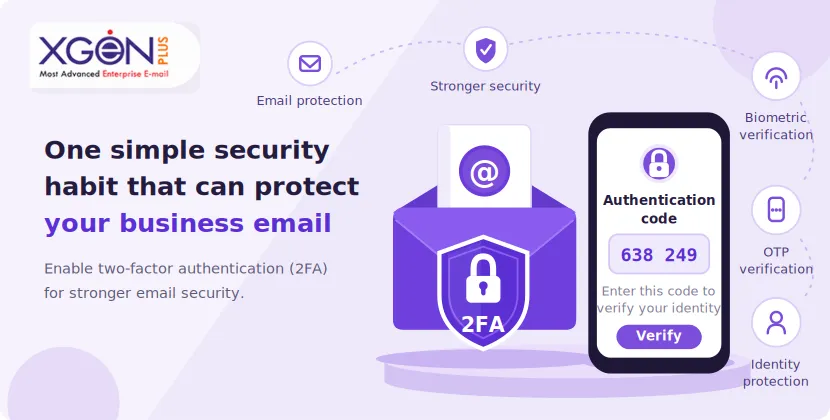
- Multi-Factor Authentication (MFA): Reducing account compromise risk even if credentials are phished.
- User Education and Phishing Simulations: Regular, realistic training to maintain awareness and vigilance.
- Secure Password Practices: Employing password managers and enforcing strong, unique passwords.
- Incident Response Planning: Preparedness to quickly isolate and remediate phishing breaches.
Internal resources like the article How to Protect Yourself from Phishing Attacks in 2026 offer detailed guidance tailored to current threats. Additionally, exploring 2026 Update: Best Password Managers Compared for Security and Usability can help users choose effective tools to safeguard credentials.
Case Studies: Lessons from Recent Attacks
Examining real-world incidents clarifies how phishing operates and how defenses can fail or succeed.
In late 2025, a Russian fintech startup suffered a major breach after a targeted spear-phishing email deceived a finance officer into transferring $1.2 million to a fraudulent account. The attackers used a combination of AI-generated emails and deepfake phone calls impersonating company executives. The incident highlighted weaknesses in multi-factor authentication implementation and delayed incident response.
Conversely, a large Moscow-based industrial firm thwarted a complex phishing campaign by leveraging AI-based detection integrated with user education. When suspicious emails were flagged, employees underwent immediate phishing awareness refresher training, preventing credential disclosure. Their proactive approach limited damage to zero financial loss.
“These events underscore that technology alone is insufficient. Organizational culture and rapid response capabilities are equally critical,” says Ivanova from Yandex’s cybersecurity division.
- Key Takeaways:
- Phishing attacks often exploit organizational processes and human psychology.
- Speed in detection and response reduces impact significantly.
- Continuous user training is vital to maintain resilience.
Looking Ahead: Preparing for Phishing Threats Beyond 2026
As cybercriminals refine their methods, defenders must anticipate future phishing trends. Quantum computing, for instance, may eventually undermine current encryption standards, complicating credential protection. On the other hand, advances in biometric authentication and decentralized identity frameworks could reduce reliance on passwords, mitigating phishing effectiveness.
Cybersecurity experts advocate for increased collaboration between governments, private sector, and academia to share threat intelligence and develop robust countermeasures. In Russia, initiatives promoting cybersecurity awareness and research funding have gained momentum, although challenges remain in harmonizing international cooperation.
For individuals and organizations, the following strategic actions are recommended:
- Adopt Zero Trust Architectures: Never assume trust; verify continuously.
- Invest in AI-Driven Defense Tools: Leverage automation for real-time threat identification.
- Enhance User Training Programs: Incorporate evolving phishing scenarios and social engineering tactics.
- Strengthen Incident Management: Develop and test comprehensive breach response plans.
- Monitor Emerging Technologies: Prepare for impacts of quantum computing and AI advancements.
“Phishing will remain a challenge, but with coordinated effort and adaptive strategies, its impact can be significantly reduced,” concludes Petrov.
For readers interested in a broader understanding of cybersecurity, also worth reading is the Future of Data Breach Response and Prevention Guide in 2026 on WriteUpCafe, which complements phishing defense with incident handling insights.
In conclusion, phishing in 2026 is a sophisticated, multi-faceted threat that demands vigilance, technical innovation, and education. By understanding its evolution and implementing layered defense mechanisms, users can protect themselves effectively against these persistent cyberattacks.

























Sign in to leave a comment.