Learn how a period pain device works, who it suits, key features to check, and when to get medical help for safer, better cramp relief.
A period pain device is now a real option for people who want relief without relying only on tablets or heat packs. Period pain, also called dysmenorrhea, is very common and often feels like cramping in the lower abdomen, sometimes with back pain, nausea, headaches, or tiredness. Health sources such as MedlinePlus, Mayo Clinic, and Healthdirect all note that period pain can range from mild to severe, and that treatment depends on how much it affects daily life.
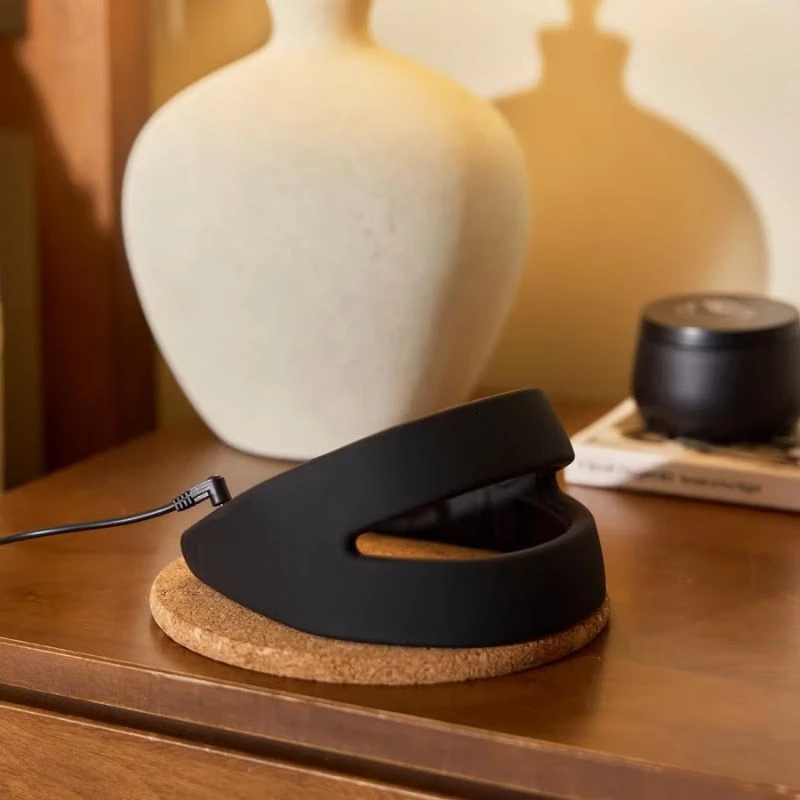
Some wearable options are designed to reduce pain in a drug-free way. On Samphire’s official product page, Nettle is described as a regulated medical wearable that uses gentle, non-invasive neurostimulation and is clinically tested for menstrual pain and mood relief. The brand says it is intended to work with the body, not against it, and that sessions can fit into daily life in about 20 minutes.
Period pain device benefits at a glance
A good period pain device can help in a few simple ways:
- It may offer drug-free relief for menstrual cramps.
- It can be used at home while resting, working, or moving around.
- Some devices are made for repeated use across the menstrual cycle.
- Wearable options may feel easier to manage than planning around medicines alone.
This matters because not everyone gets enough relief from the same method. Public health guidance often includes heat, gentle movement, pain relief medicines, and medical advice when symptoms become severe or disruptive. A period pain device can fit into that wider plan instead of replacing all other care.
How a period pain device works
Most people think period pain starts only in the uterus, but pain is also shaped by how the nervous system processes signals. That is why different devices use different approaches. Some use heat. Some use TENS-style electrical stimulation. Samphire’s wearable takes a brain-focused approach and says its device uses neurostimulation to help with menstrual pain and mood changes. Its site also states that the product has been studied in randomized, placebo-controlled, double-blind clinical trials.
In simple terms, a period pain device aims to make pain feel more manageable. That does not mean every device works the same way or suits every body. It means the goal is targeted relief, often without hormones or standard pain medicines. This can be appealing for people who want another option during painful cycles. General guidance on menstrual cramps still supports combining relief methods, such as heat, light exercise, and medical review when symptoms keep getting worse.
How to choose the right period pain device
When comparing any period pain device, look at these points first:
- Type of relief: heat, TENS, or neurostimulation
- Ease of use: how fast it sets up and whether it fits daily life
- Time per session: shorter routines are easier to stick with
- Evidence: clinical testing, safety claims, and device status
- Comfort: wearable design, fit, and how it feels during use
- Support tools: app guidance, reminders, and tracking features
Samphire’s Nettle page highlights several of these points, including app-guided scheduling, short sessions, personalized use, and regulated medical device status in the UK and EU.
When a period pain device may be a good fit
A period pain device may suit someone whose cramps interrupt work, study, sleep, or normal routines, especially if they want a non-drug option to add to their relief plan. It may also help people who prefer a wearable tool they can use regularly instead of waiting until pain becomes intense. Still, even the best period pain device is not a reason to ignore warning signs.
Medical sources say you should speak with a doctor if pain is severe, suddenly worse than usual, lasts longer than expected, or comes with heavy bleeding, irregular bleeding, unusual discharge, or pain outside your normal period pattern. Those signs can point to conditions such as endometriosis, fibroids, or other causes of secondary dysmenorrhea.
Frequently Asked Questions
What is a period pain device?
A period pain device is a tool designed to help reduce menstrual cramp discomfort. Depending on the product, it may use heat, electrical stimulation, or neurostimulation.
How does a period pain device work?
It works by changing how pain signals are felt or processed. Some target nerves near the painful area, while others, like Samphire’s Nettle, are designed around brain-based neurostimulation.
Do period pain relief devices really work?
Some users do report meaningful relief, and certain products cite clinical testing. Effectiveness can vary by device type, body, and cause of pain.
Is a period pain device safe to use?
Safety depends on the product and the person using it. It is best to follow the maker’s guidance and speak with a clinician if you have a health condition or unusual symptoms.
Can a period pain device replace painkillers?
For some people it may reduce the need for medicines, but it should be seen as one option within a bigger pain-management plan. Samphire reports many users used fewer medications, but this will not be the same for everyone.
When should I see a doctor for period pain?
See a doctor if period pain stops normal daily activity, changes suddenly, or comes with heavy bleeding, irregular periods, pain between periods, or other unusual symptoms.
Conclusion
The right period pain device can be a useful, practical option for people who want more control over cramps and want a drug-free tool in their routine. The best choice is one that is easy to use, backed by credible evidence, and realistic for your daily life. If your cramps are severe or changing, get medical advice first. Relief matters, but so does understanding the cause.





























Sign in to leave a comment.