

Are you losing sleep over soaring cloud expenses? With businesses increasingly relying on cloud services for their IT infrastructure, optimizing cloud costs has become a top priority. In this article, we will explore the best practices for cloud cost optimization solutions that can help you lower your cloud bills and achieve significant cost savings.
Understanding cloud cost optimization
Cloud cost optimization is the process of managing and reducing the expenses associated with cloud services. It involves analyzing and optimizing resource allocation, leveraging automation tools, and implementing efficient monitoring practices to identify cost-saving opportunities. By adopting cloud cost optimization strategies, businesses can achieve better control over their cloud expenses and allocate their budget more effectively.
One of the key aspects of cloud cost optimization is understanding the pricing models of different cloud providers. Cloud providers offer various pricing options, such as pay-as-you-go, reserved instances, and spot instances. By carefully analyzing your workload requirements and choosing the right pricing model, you can significantly reduce your cloud bills.
Another important factor in cloud cost optimization is understanding the different service models offered by cloud providers - Infrastructure as a Service (IaaS), Platform as a Service (PaaS), and Software as a Service (SaaS). Each service model has its own cost implications, and selecting the most appropriate model for your business needs can help optimize your cloud costs.
Must Read:- Top 10 Frameworks for Developing Enterprise Applications
Benefits of Cloud Cost Optimization
Implementing cloud cost optimization practices brings several benefits to businesses. First and foremost, it helps in reducing cloud bills and achieving cost savings. By optimizing resource allocation and leveraging cost-effective pricing models, businesses can significantly lower their cloud expenses.
Cloud cost optimization also improves operational efficiency. By right-sizing resources and eliminating underutilized or redundant services, businesses can ensure that their cloud infrastructure is optimized for performance and cost-effectiveness. This leads to improved application performance, reduced downtime, and enhanced user experience.
Furthermore, cloud cost optimization allows businesses to allocate their budget more effectively. By reducing cloud costs, organizations can free up funds that can be invested in other critical areas of the business, such as research and development, marketing, or talent acquisition. This helps in maximizing the return on investment and driving overall business growth.
Common challenges in cloud cost management
While cloud cost optimization offers numerous benefits, it is not without its challenges. One of the common challenges businesses face is the lack of visibility into cloud costs. With multiple services and resources running in the cloud, it can be difficult to track and monitor the associated costs. This lack of visibility makes it challenging to identify cost-saving opportunities and optimize cloud expenses.
Another challenge is the complexity of cloud pricing models. Cloud providers offer a wide range of pricing options, and understanding the cost implications of each model can be overwhelming. Without proper knowledge and expertise, businesses may end up selecting the wrong pricing model, leading to higher cloud expenses.
Additionally, businesses often struggle with resource allocation and rightsizing. Overprovisioning or underutilizing cloud resources can result in unnecessary costs. It requires careful analysis and monitoring to ensure that resources are allocated optimally and are scaled up or down as needed.
Must Read:- Natural Language Processing with ChatGPT
Cloud cost optimization strategies
To overcome these challenges and achieve cloud cost optimization, businesses need to implement the following best practices:
Analyzing and monitoring cloud costs
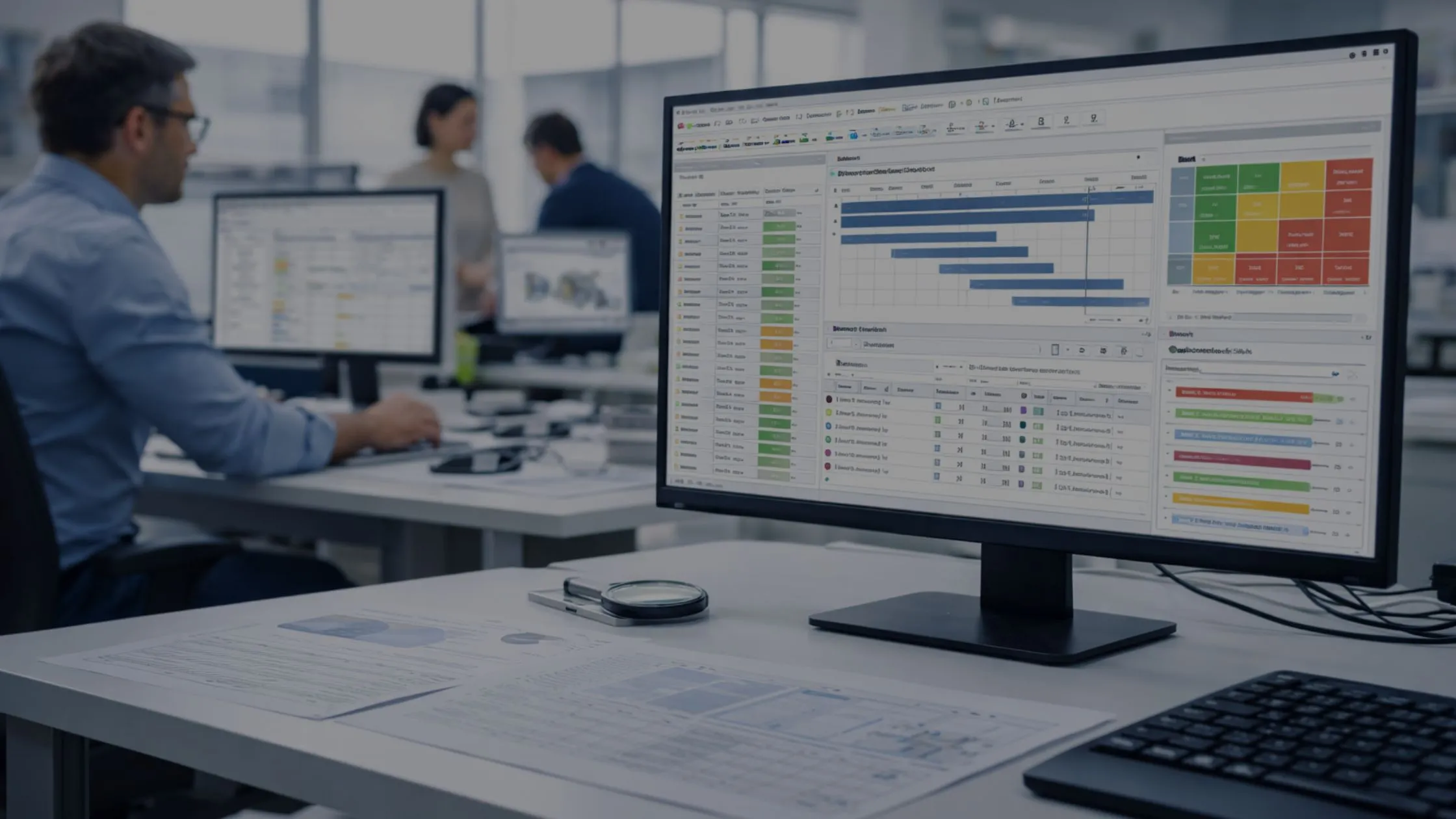
The first step in cloud cost optimization is gaining visibility into your cloud costs. This involves tracking and monitoring the usage and cost of various cloud resources and services. Cloud providers offer cost management tools and dashboards that provide detailed insights into your cloud spending. By regularly analyzing these reports, businesses can identify areas of high spending and take appropriate actions to optimize costs.
Optimizing cloud resource allocation
Resource allocation plays a crucial role in cloud cost optimization. It is important to ensure that cloud resources are allocated optimally based on workload requirements. This involves rightsizing instances, selecting the appropriate storage options, and optimizing network configurations. By accurately matching resource allocation with workload demands, businesses can avoid overprovisioning and reduce unnecessary costs.
Rightsizing cloud instances and services
Rightsizing is the process of matching the size of cloud instances and services to the actual workload demands. Overprovisioning resources can result in higher costs while underutilizing resources leads to inefficiency. By regularly analyzing resource utilization patterns and adjusting instance sizes accordingly, businesses can optimize their cloud costs. Cloud providers offer tools and services that can help identify underutilized resources and recommend appropriate sizing options.
Leveraging automation for cost savings
Automation plays a significant role in cloud cost optimization. By automating resource provisioning, scaling, and management, businesses can ensure that resources are only utilized when needed. This helps in reducing costs associated with idle resources and improves overall operational efficiency. Cloud providers offer automation tools, such as auto-scaling and serverless computing, that can be leveraged to optimize costs.
Cloud cost optimization tools and services
Several tools and services are available in the market to assist businesses in optimizing their cloud costs. These tools provide features such as cost analysis, cost forecasting, and cost optimization recommendations. They help businesses identify cost-saving opportunities and make data-driven decisions to optimize their cloud expenses. Some popular cloud cost optimization tools include AWS Cost Explorer, Azure Cost Management, and Google Cloud Cost Management.
Conclusion and next steps
Cloud cost optimization is a critical aspect of managing cloud expenses and achieving cost savings. By implementing the best practices discussed in this article, businesses can lower their cloud bills, improve operational efficiency, and maximize their return on investment.
To get started with cloud cost optimization, analyze your current cloud spending and identify areas of high costs. Consider the pricing models and service models offered by your cloud service provider and choose the most cost-effective options. Implement resource allocation and rightsizing strategies to ensure optimal utilization of cloud resources. Leverage automation tools and services to eliminate idle resources and improve efficiency. Finally, utilize cloud cost optimization tools and services to gain visibility into your cloud costs and make informed decisions.
By adopting these best practices and continuously monitoring and optimizing your cloud costs, you can achieve significant cost savings and allocate your budget more effectively. So, take control of your cloud expenses and start optimizing your cloud costs today!


























Sign in to leave a comment.