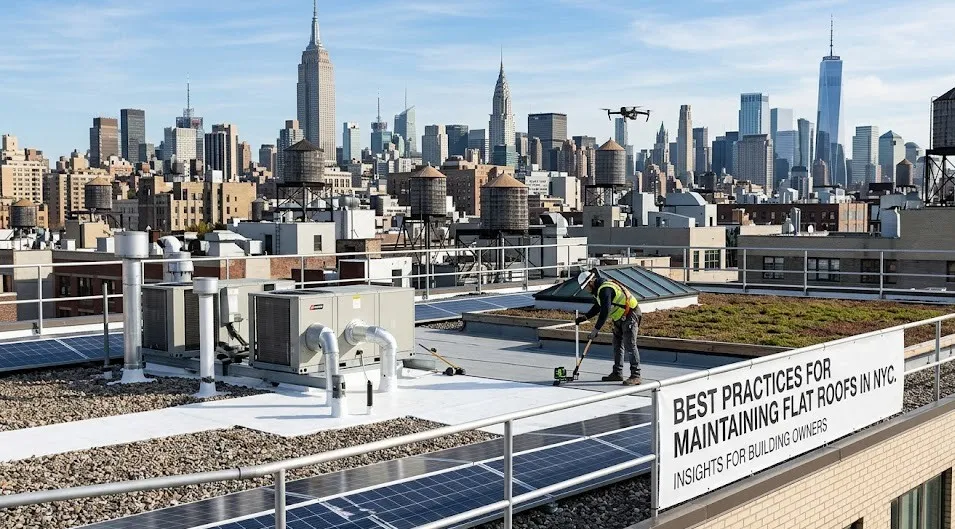

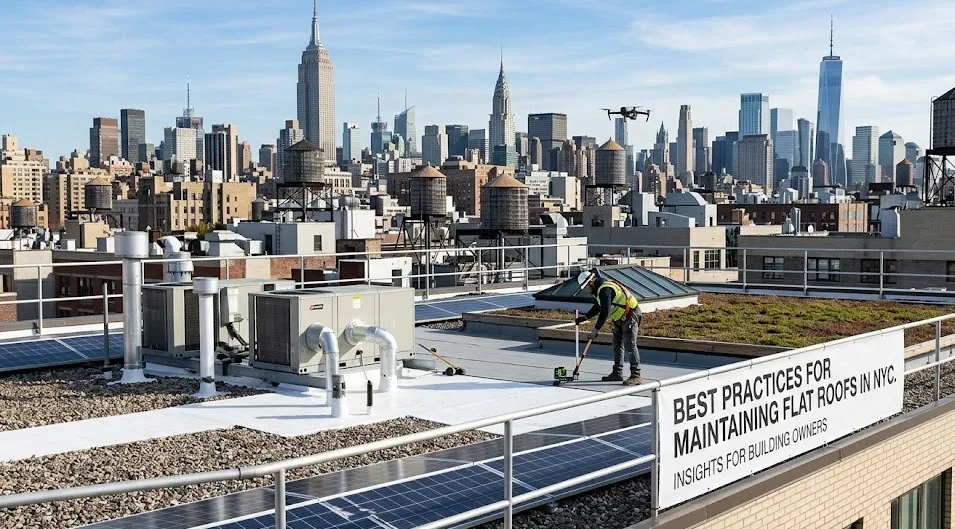
Flat roofs are a defining feature of many properties across Manhattan and the wider New York City landscape. From residential brownstones to large-scale commercial buildings, flat roofing systems are chosen for their practicality, space efficiency, and cost-effectiveness. However, maintaining a flat roof in a city like NYC requires more than occasional attention. The combination of unpredictable weather, urban debris, and constant environmental stress makes routine maintenance essential for long-term performance.
Understanding the best practices for maintaining flat roofs can help property owners avoid expensive repairs, extend the life of their roofing system, and protect their investment.
Why Flat Roof Maintenance Matters in NYC
Unlike sloped roofs, flat roofs do not naturally shed water as efficiently. This makes them more vulnerable to standing water, also known as ponding, which can weaken the structure over time. In Manhattan, where weather patterns shift quickly from heavy rain to freezing temperatures, this issue becomes even more critical.
Urban conditions also contribute to wear and tear. Dust, pollution, and debris accumulate faster on flat surfaces. Combined with foot traffic from maintenance crews or HVAC servicing, these factors can accelerate deterioration if not addressed regularly.
Routine maintenance is not just about preventing damage. It plays a key role in maintaining energy efficiency, preserving structural integrity, and avoiding disruptions for both homeowners and commercial property managers.
Understanding the Structure of a Flat Roof
Before diving into maintenance practices, it is important to understand how flat roofs are constructed. Most flat roofing systems in NYC consist of several layers, including insulation, a waterproof membrane, and a protective surface layer.
Membrane Systems and Their Role
The membrane is the most critical component of a flat roof. Materials such as EPDM, TPO, and modified bitumen are commonly used due to their durability and resistance to weather conditions. However, even the strongest membranes can develop cracks, blisters, or punctures over time.
Drainage Systems
Proper drainage is essential for flat roofs. Internal drains, scuppers, and gutters are designed to channel water away from the surface. When these systems become clogged, water begins to pool, increasing the risk of leaks and structural damage.
Understanding these components helps property owners recognize where issues are most likely to occur and why consistent upkeep is necessary.
Regular Inspections: The First Line of Defense
Consistent inspections are one of the most effective ways to maintain a flat roof. Ideally, inspections should be carried out at least twice a year, as well as after major storms.
What to Look for During Inspections
During an inspection, it is important to check for visible signs of damage such as cracks, punctures, and bubbling on the membrane. Pay attention to areas around vents, skylights, and HVAC units, as these are common points of vulnerability.
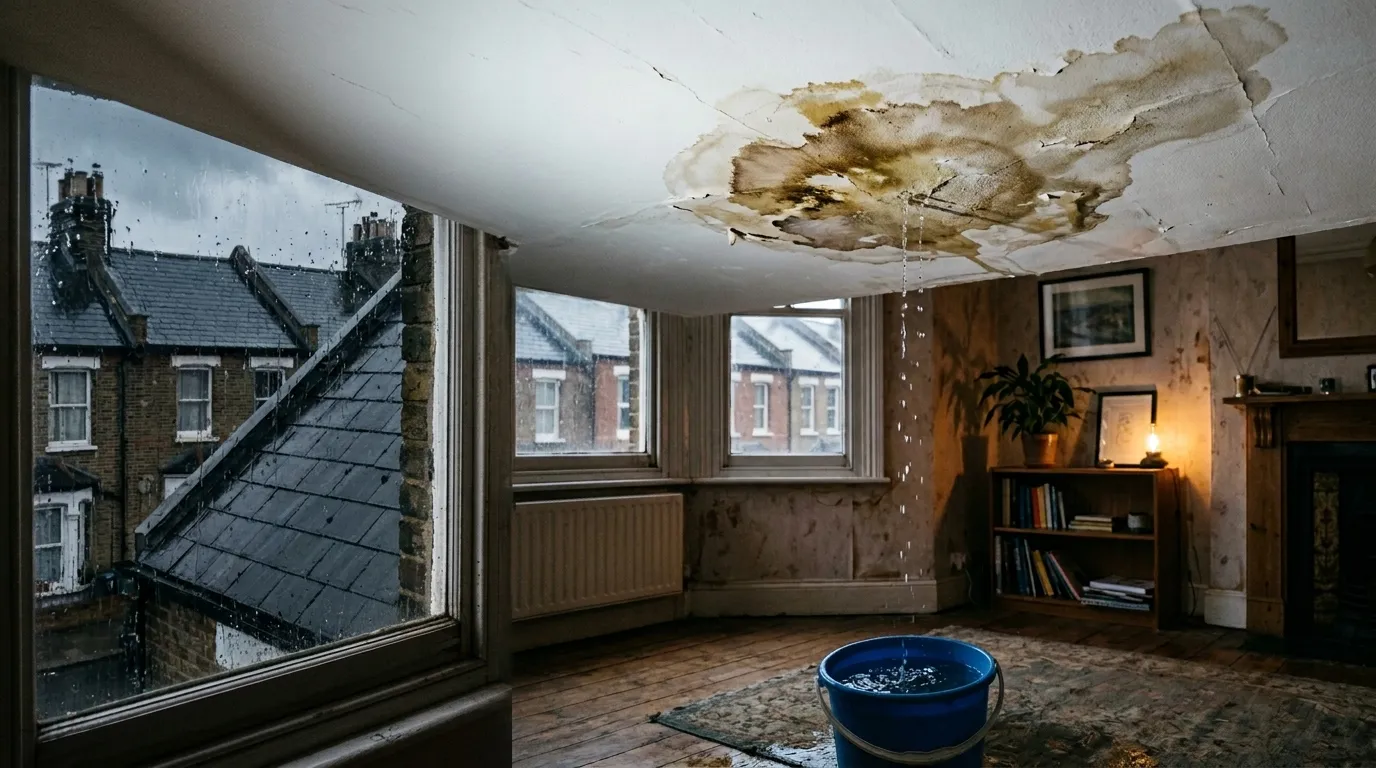
Water stains on ceilings or walls inside the building can also indicate underlying roofing issues. Addressing these signs early can prevent more extensive damage.
The Value of Professional Expertise
While basic visual checks can be done by property owners, professional inspections provide a deeper level of assessment. Experienced contractors have the tools and knowledge to detect hidden issues that may not be immediately visible.
Partnering with trusted flat roofing experts in Manhattan ensures that your roof receives comprehensive care and accurate evaluations, helping you stay ahead of potential problems.
Keeping the Roof Clean and Debris-Free
One of the simplest yet most overlooked maintenance practices is regular cleaning. Flat roofs tend to collect leaves, dirt, and other debris, especially in densely populated areas like NYC.
Impact of Debris on Roofing Systems
Debris can block drainage systems, leading to water accumulation. Over time, this standing water can weaken the membrane and increase the likelihood of leaks.
Safe Cleaning Practices
Cleaning should be done carefully to avoid damaging the roofing material. Using soft tools and avoiding harsh chemicals helps preserve the integrity of the surface. For larger buildings, hiring professionals ensures the job is done safely and effectively.
Managing Water Drainage Effectively
Water management is one of the most critical aspects of flat roof maintenance. Poor drainage can quickly turn minor issues into major structural concerns.
Preventing Ponding Water
Ensuring that drains and gutters are clear is essential. Regularly checking these systems, especially after heavy rain or snowfall, helps prevent blockages.
Addressing Structural Slope Issues
In some cases, drainage problems may be caused by improper slope. Professional assessment can identify these issues and recommend solutions such as tapered insulation or additional drainage systems.
Timely Repairs to Prevent Escalation
Ignoring small roofing problems often leads to larger, more expensive repairs. Addressing issues as soon as they are identified is a key best practice.
Common Repair Needs
Flat roofs may require repairs for membrane damage, flashing issues, or drainage problems. These repairs are typically straightforward when handled early.
Long-Term Cost Benefits
Investing in timely repairs reduces the likelihood of extensive damage that could require full roof replacement. It also helps maintain the overall efficiency and performance of the roofing system.
Seasonal Maintenance Considerations
New York City experiences a wide range of weather conditions throughout the year, and each season brings its own challenges for flat roofs.
Winter Challenges
Snow and ice accumulation can add significant weight to a flat roof. Ice dams may form, preventing proper drainage and increasing the risk of leaks.
Summer Heat and UV Exposure
High temperatures and prolonged sun exposure can cause roofing materials to expand and contract, leading to cracks and wear over time.
Adapting maintenance practices to seasonal changes ensures that the roof remains in optimal condition year-round.
The Role of Professional Maintenance Plans
For many property owners, maintaining a flat roof can feel overwhelming. This is where professional maintenance plans come into play.
Benefits of Scheduled Maintenance
A structured maintenance plan includes regular inspections, cleaning, and minor repairs. This proactive approach helps identify issues early and keeps the roof functioning efficiently.
Choosing the Right Roofing Partner
Working with an experienced contractor who understands the specific demands of NYC roofing is essential. A reliable partner will provide tailored solutions and ongoing support to ensure long-term durability.
Enhancing Roof Longevity Through Smart Practices
Maintaining a flat roof is not just about fixing problems—it is about preventing them. By combining regular inspections, proper cleaning, effective drainage management, and timely repairs, property owners can significantly extend the lifespan of their roofing system.
In a city like Manhattan, where buildings are constantly exposed to environmental stress, proactive maintenance is the key to avoiding costly disruptions and preserving property value.
Final Thoughts
Flat roofs offer practical advantages for NYC properties, but they require consistent care to perform at their best. Neglecting maintenance can lead to serious issues, from water damage to structural deterioration. On the other hand, following proven best practices ensures that your roof remains durable, efficient, and reliable for years to come.
By staying proactive and working with experienced professionals, property owners can protect their investment and enjoy peace of mind, knowing their flat roof is built to withstand the challenges of urban living.





















Sign in to leave a comment.