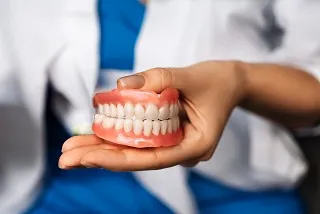


Damage can start with decay, a fracture, old filling failure, grinding or a tooth injury. The right repair depends on how much natural tooth remains, whether the nerve is affected & how the tooth carries bite pressure. Modern dentistry now focuses on conserving healthy structure instead of removing more tooth than necessary.
Small Damage Needs Simple Repair
For minor cavities or chips, tooth-colored fillings are often the first choice. Composite materials bond directly to the tooth & can be shaped to match the bite. They work well when the damaged area is limited & the surrounding enamel is strong. Inlays as well as onlays may be used when the repair is larger than a filling but does not require a full crown. Protect growing smiles with a reliable kids dentist near me – click to visit today.
Crowns Protect Weak Teeth
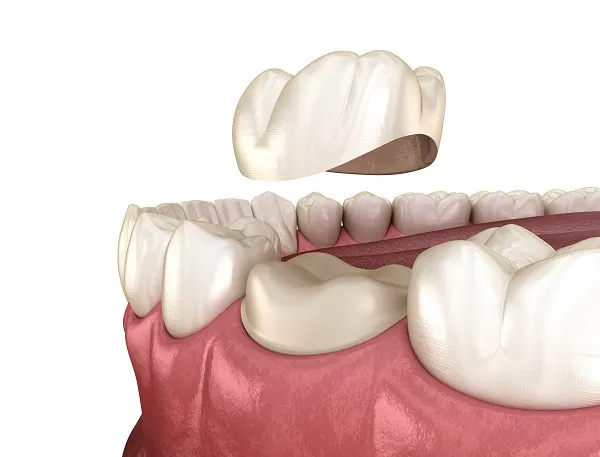
A crown covers the visible part of a weakened tooth. It is commonly recommended after large decay, cracks, root canal treatment or heavy wear. Digital scanning & computer-aided design have made crowns more accurate & comfortable. Many dentists now use ceramic materials that combine strength with a natural look, especially for teeth seen when smiling.
Bridges and Implants Replace Missing Teeth
When a tooth cannot be saved, replacement prevents nearby teeth from drifting & helps maintain chewing balance. A bridge fills a gap by using nearby teeth for support. An implant replaces the root with a stable post & then supports a crown. Implants are often preferred when bone support is suitable, but bridges may still be practical when surrounding teeth already need crowns.
Veneers Help Front Tooth Damage
Veneers are thin shells placed on the front surface of teeth. They may help with small chips, worn edges, uneven shape or deep stains that do not respond well to whitening. They are not ideal for every bite, so planning is important.
The Best Option Depends on Diagnosis
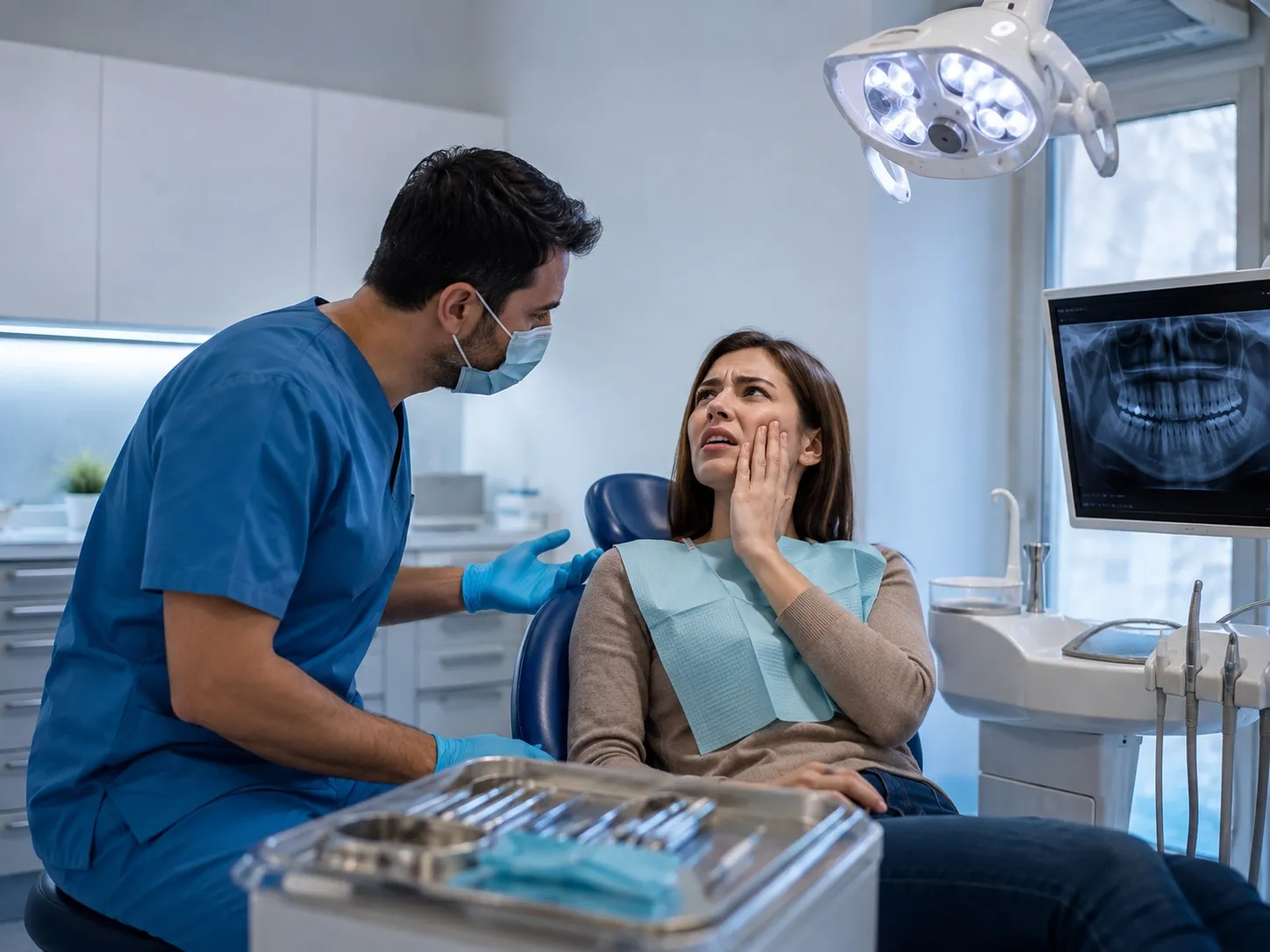
No single treatment is best for every patient. X-rays, bite checks, gum health & remaining tooth strength guide the decision. Dental restorations should restore function, protect the tooth & fit the patient’s long-term oral health plan. The strongest result usually comes from early treatment, precise planning & regular maintenance.
Aftercare Keeps Repairs Working
Good brushing, flossing, night guard use when needed as well as routine exams help repaired teeth last longer. Patients should report sensitivity, rough edges or bite changes early because small adjustments can prevent bigger failures later over time.
Author Bio: –
Ansley has 12 years of experience in the dental world. You can find his thoughts at childrens dentistry blog.


























Sign in to leave a comment.