Key Takeaways
The best shampoo for dandruff and itchy scalp is the one that targets the cause: antifungal shampoos (ketoconazole or selenium sulfide) for yeast-driven flakes, gentler zinc options for mild cases or maintenance, and correct technique 3–5 minutes of contact, the right frequency, and patience for 2–4 weeks, makes the biggest difference; rotate to maintenance once controlled, avoid overuse, and seek professional advice if symptoms persist.
If you’re searching for the best shampoo for dandruff and itchy scalp, it’s easy to assume flakes and itching always come from the same issue. They don’t.
This misunderstanding is one of the biggest reasons people rotate through products without relief.
From a pharmacist’s standpoint, effective treatment starts by identifying the cause, not just the symptom.
Dandruff often involves a scalp yeast imbalance, while itching can stem from dryness, irritation, or inflammation.
Treating dryness with the wrong medicated shampoo can worsen itch. Treating fungal dandruff with a gentle cosmetic shampoo usually does nothing. Knowing the difference saves time, money, and frustration.
What Actually Causes Dandruff?
Dandruff is most commonly linked to Malassezia, a yeast that naturally lives on the scalp. In some people, it overgrows and triggers inflammation, speeding up skin turnover. The result: visible white or yellow flakes.
Typical dandruff signs
- Flakes that fall onto shoulders
- Mild to moderate itching
- Greasy or oily scalp patches
- Symptoms that worsen in cold weather or stress
This is why antifungal shampoo, not regular shampoo, is often required.
According to the American Academy of Dermatology, dandruff is a mild form of seborrheic dermatitis and usually responds well to medicated shampoos when used correctly.
What Causes an Itchy Scalp Without Dandruff?
Not all itching is dandruff-related. In many cases, flakes are minimal or absent.
- Common non-dandruff itchy scalp causes
- Dry scalp from overwashing or harsh products
- Contact irritation from fragrances or styling products
- Seasonal dryness (winter months)
- Mild eczema or sensitive skin
In these cases, jumping straight to a strong medicated product may actually worsen irritation.
When Flaking Signals a Fungal Issue
If itching and flaking occur together, especially with redness or oily buildup, a fungal component is likely. This is when choosing the right medicated option matters most.
Signs you likely need a medicated dandruff shampoo
- Persistent flakes despite regular shampoo
- Itching that returns quickly after washing
- Greasy scales along the hairline or eyebrows
- Improvement with antifungal products in the past
This is where products containing ketoconazole shampoo or selenium sulfide shampoo are commonly recommended by pharmacists.
Why Regular Shampoo Rarely Fixes Dandruff
Cosmetic shampoos are designed to cleanse hair, not treat scalp conditions. They don’t address yeast overgrowth or inflammation.
What medicated shampoos do differently
- Reduce yeast levels on the scalp
- Slow excess skin cell turnover
- Calm scalp inflammation
Without these actions, flakes often return within days.
Setting the Right Expectation Early
The best shampoo for dandruff and itchy scalp isn’t the strongest one, it’s the one matched to your scalp condition and used properly.
Most medicated shampoos require:
- Consistent use for 2–4 weeks
- Proper contact time on the scalp
- Avoiding frequent product switching
Relief is gradual, not instant, but it is achievable with the right approach.
How Medicated Shampoos Actually Treat Dandruff
Once you know whether dandruff or itch is the problem, the next step is understanding how medicated shampoos work.
This is where most confusion happens. Many people buy a product because it’s popular, without realizing different actives treat different causes.
If you’re looking for the best shampoo for dandruff and itchy scalp, matching the ingredient to the scalp condition is essential.
The Real Target: Scalp Yeast and Inflammation
Most persistent dandruff is linked to Malassezia yeast. Medicated shampoos don’t just wash flakes away, they reduce yeast levels and calm inflammation, slowing the rapid skin turnover that creates flakes and itch.
According to the American Academy of Dermatology, antifungal shampoos are first-line therapy for dandruff and mild seborrheic dermatitis when used correctly and consistently.
What “Antifungal Shampoo” Really Means
An antifungal shampoo contains an active ingredient that suppresses yeast growth on the scalp. The most common OTC options fall into a few categories:
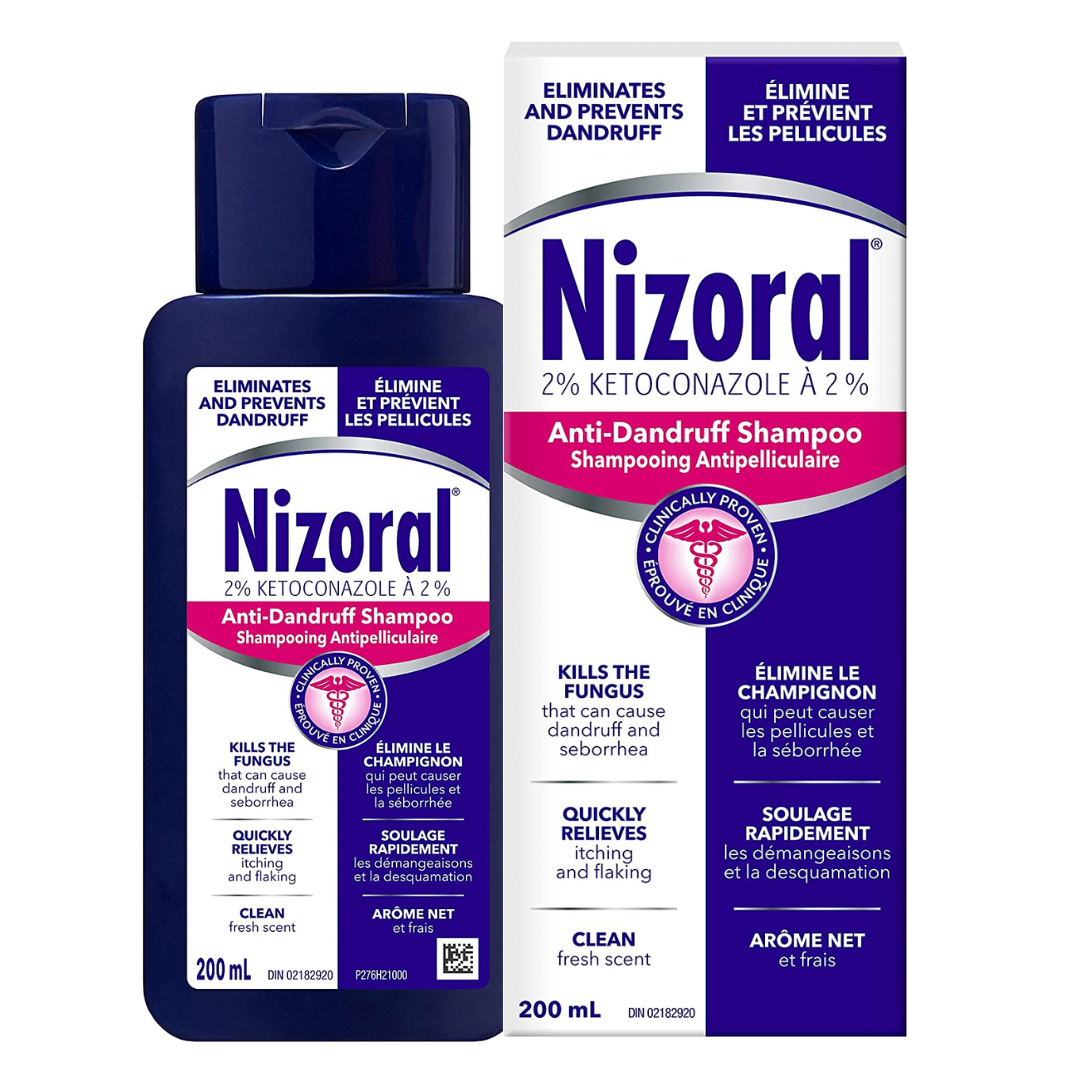
Ketoconazole Shampoo
- Best for: Moderate to stubborn dandruff with itch and redness
- How it works: Potent antifungal that directly reduces yeast
- Why pharmacists recommend it: Strong efficacy with short treatment courses
Ketoconazole is often chosen when flakes keep returning despite other shampoos.
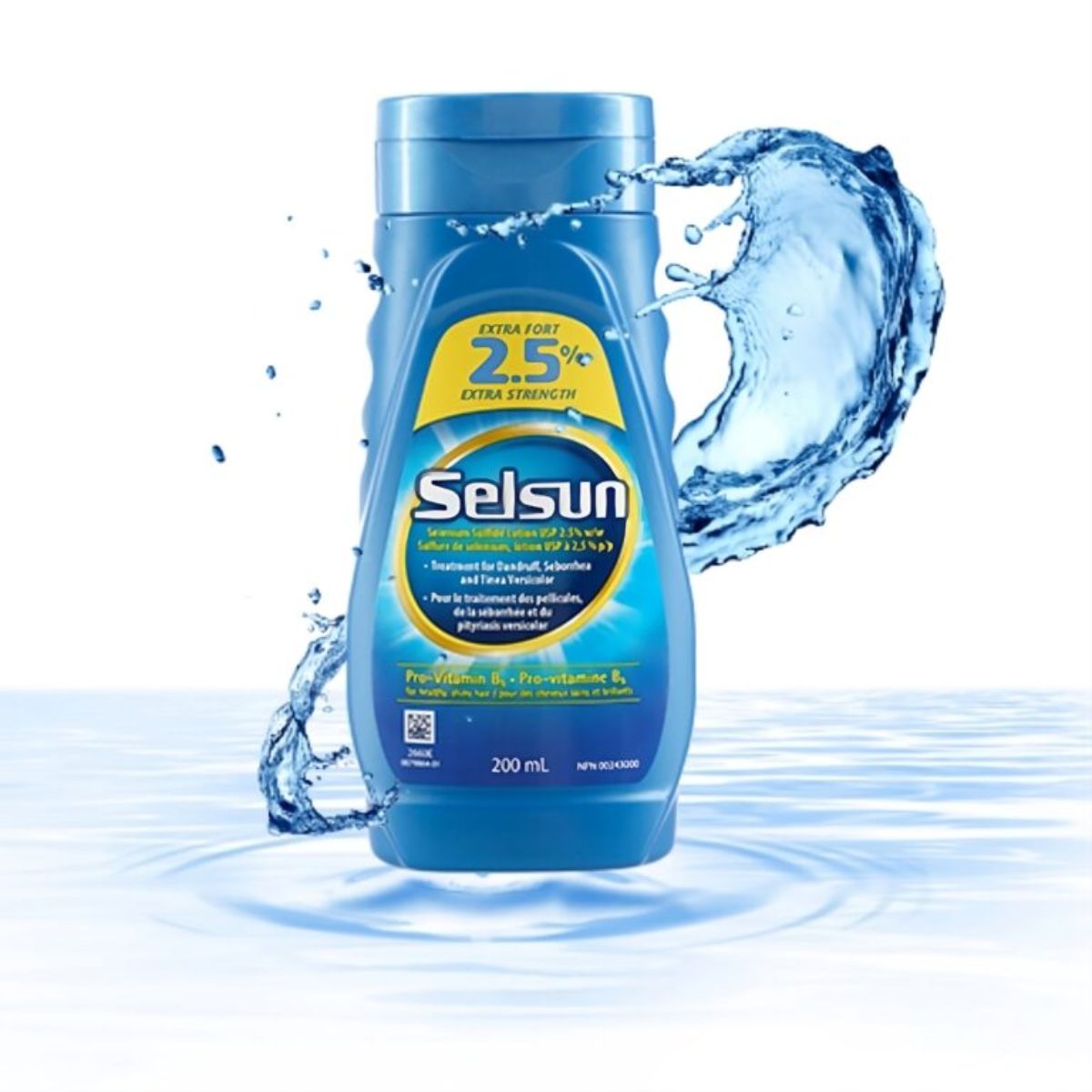
Selenium Sulfide Shampoo
- Best for: Oily, flaky dandruff with redness
- How it works: Slows skin cell turnover and reduces yeast
- Watch-outs: Can discolor hair or irritate sensitive scalps if overused
Selenium sulfide is effective but benefits from careful use and shorter contact times for sensitive skin.
Zinc-Based Shampoos
- Best for: Mild dandruff or maintenance after treatment
- How they work: Mild antifungal and anti-inflammatory effects
- Limitations: Often insufficient alone for moderate or severe dandruff
Salicylic Acid & Coal Tar
- Salicylic acid: Helps loosen thick flakes but can dry the scalp
- Coal tar: Slows skin turnover but may irritate and stain
These are typically adjunct options, not first choices for itchy scalps.
Why Contact Time Matters More Than Brand Name
A common reason medicated shampoos “don’t work” is insufficient contact time.
- Best practice
- Apply to wet scalp
- Massage gently
- Leave on for 3–5 minutes
- Rinse thoroughly
Rinsing immediately turns a treatment shampoo into a regular cleanser, dramatically reducing effectiveness.
How Often Should You Use Medicated Shampoo?
Frequency depends on severity:
| Severity | Recommended Use |
| Mild dandruff | 1–2× weekly |
| Moderate dandruff | 2–3× weekly |
| Severe flares | As directed by pharmacist or label |
Overuse can irritate the scalp, especially with selenium sulfide or ketoconazole.
Why Switching Too Quickly Backfires
Yeast levels and inflammation don’t reset overnight. Most antifungal shampoos need 2–4 weeks of consistent use before full benefits appear. Switching products every few days often leads to partial improvement, then relapse.
Setting Expectations for Results
What improvement usually looks like:
- Week 1–2: Reduced itch and scaling
- Week 3–4: Fewer visible flakes
- After 4 weeks: Maintenance with gentler shampoo may be possible
This phased improvement is normal, and expected.
Nizoral vs Selsun vs Other Dandruff Shampoos, Which One Should You Choose?
Now that you understand how medicated shampoos work, let’s answer the question most people actually have: Which product is the best shampoo for dandruff and itchy scalp for me?
The answer depends less on brand loyalty and more on active ingredient, scalp type, and symptom severity.
Below is a clear, pharmacist-style comparison to help you choose confidently.
Head-to-Head | Active Ingredients That Matter
Ketoconazole Shampoo
Best for: Moderate to stubborn dandruff with itching and redness
- Strong antifungal action against Malassezia
- Works even when zinc shampoos fail
- Often used short-term, then tapered to maintenance
Pros
- High effectiveness
- Fast reduction in flakes and itch
Cons
- Can be drying if overused
- Not ideal for daily use
👉 Often recommended when people say: “Nothing else has worked.”
Selenium Sulfide Shampoo
- Best for: Oily dandruff with visible flakes and redness
- Reduces yeast and slows skin cell turnover
- Helpful when flakes are thick or greasy
Pros
- Effective for heavy flaking
- Works well during flare-ups
Cons
- May discolor hair (especially light or dyed hair)
- Can irritate sensitive scalps if left on too long
👉 Best used carefully and exactly as directed.
Zinc-Based Dandruff Shampoos
Best for: Mild dandruff or long-term maintenance
- Mild antifungal and anti-inflammatory effects
- Gentler for frequent use
Pros
- Widely available
- Suitable for ongoing prevention
Cons
- Often not strong enough for moderate or severe dandruff
👉 A good follow-up after medicated treatment.
Salicylic Acid Shampoos
Best for: Thick, adherent flakes
- Helps loosen and remove scales
Caution
- Does not treat yeast
- Can worsen dryness and itching if used alone
👉 Often paired with antifungal shampoos, not used solo.
Coal Tar Shampoos
Best for: Chronic scalp conditions (limited use)
- Slows skin turnover
Drawbacks
- Strong smell
- Can stain hair or fabrics
- Not ideal for sensitive scalps
Quick Comparison
| Active Ingredient | Best For | How Often | Key Watch-Out | |
| Ketoconazole | Moderate–severe dandruff | 2× weekly | Dryness if overused | |
| Selenium sulfide | Oily, heavy flakes | 2× weekly | Hair discoloration | |
| Zinc | Mild dandruff | 2–3× weekly | May be too weak | |
| Salicylic acid | Thick scales | Short-term | Dryness | |
| Coal tar | Chronic cases | Limited | Irritation, staining |
Which Is the Best Shampoo for Dandruff and Itchy Scalp?
Use this quick guide:
- Persistent flakes + itch: Ketoconazole shampoo
- Oily scalp + yellow flakes: Selenium sulfide shampoo
- Mild flakes or prevention: Zinc-based shampoo
- Thick buildup: Salicylic acid with antifungal follow-up
There is no single “best” product for everyone, the best choice is the one that targets your scalp condition correctly.
A Common Pharmacist Tip | Rotation, Not Overuse
Many people do best with a treatment + maintenance approach:
- Treat flare-ups with ketoconazole or selenium sulfide
- Maintain results with a gentler zinc-based shampoo
This reduces irritation while keeping dandruff under control.
How to Use Medicated Dandruff Shampoos
1) Apply to the scalp, not just the hair
Medicated shampoos treat skin. Massage gently into the scalp first, then work through the hair.
2) Respect contact time
Leave on for 3–5 minutes (check the label). Rinsing immediately removes the medicine before it works.
3) Use the right frequency
Mild dandruff: 1–2× weekly
Moderate flares: 2× weekly
Severe flares: As directed by label or pharmacist
Overuse can dry or irritate, especially with ketoconazole or selenium sulfide.
4) Don’t switch too fast
Most antifungal shampoos need 2–4 weeks of consistent use. Switching every few days leads to partial relief and relapse.
5) Maintain once controlled
After flakes calm, rotate to a gentler option (often zinc-based) to maintain results and minimize irritation.
Common Mistakes That Make Dandruff Worse
- Overwashing or underwashing: Both can aggravate flakes.
- Layering styling products: Buildup fuels irritation.
- Using heat on inflamed scalp: Worsens itch and redness.
- Stopping early: Yeast rebounds when treatment is cut short.
People Also Ask
What is the best shampoo for dandruff and itchy scalp?
The best choice matches the cause: ketoconazole for persistent flakes and itch, selenium sulfide for oily dandruff, and zinc for mild cases or maintenance.
Is ketoconazole better than selenium sulfide?
Ketoconazole is often preferred for stubborn dandruff; selenium sulfide can help oily, heavy flakes but may irritate sensitive scalps if overused.
How often should I use dandruff shampoo?
Typically 1–2 times weekly; during flares, some products are used twice weekly for a few weeks, then tapered.
Can dandruff shampoo damage hair?
When used as directed, it’s safe. Overuse or skipping conditioner can cause dryness.
When should I see a doctor?
If dandruff doesn’t improve after 4 weeks, spreads beyond the scalp, or comes with hair loss, pain, or thick plaques.
When to Talk to a Pharmacist or Doctor
Seek guidance if you have:
- Severe itch, redness, or burning
- Flaking beyond the scalp (face, ears, chest)
- Hair loss with dandruff
- No improvement after 4 weeks of proper use
Our pharmacists can help fine-tune product choice, frequency, and maintenance, or advise when prescription options are appropriate.
Looking for a trusted compounding pharmacy in Near You?
Speak with the pharmacists at Prosper Pharmacy for personalized compounded medications tailored to your needs. Visit us in Surrey or contact our compounding pharmacy today +1 604-543-6677.




























Sign in to leave a comment.