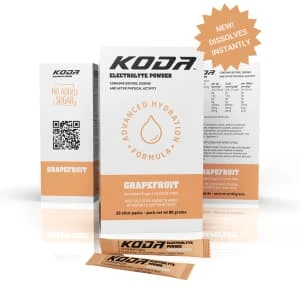

Proper hydration plays a critical role in athletic performance, endurance, and recovery. For athletes and active individuals, understanding when to take koda electrolyte during training can significantly improve stamina, reduce fatigue, and prevent dehydration related complications. Electrolyte supplementation is not just about drinking fluids but about replacing essential minerals lost through sweat to maintain balance in the body. Timing intake correctly can enhance both short term performance and long term training outcomes.
Understanding Electrolytes and Their Role in Training
Electrolytes are minerals such as sodium, potassium, magnesium, and calcium that help regulate fluid balance, muscle contractions, nerve signals, and energy production. During physical activity, especially endurance training or high intensity sessions, the body loses these minerals through sweat. If not replaced, this loss can lead to muscle cramps, fatigue, dizziness, and reduced performance.
Why Electrolytes Matter for Athletes
When the body sweats, it loses more than just water. Sodium is the most significant mineral lost, followed by potassium and smaller amounts of magnesium and calcium. These minerals are vital for maintaining hydration levels inside and outside cells. Without adequate electrolyte intake, athletes may experience decreased endurance and delayed recovery.
Proper electrolyte balance supports
- Efficient muscle contractions
- Stable energy levels
- Improved cardiovascular function
- Prevention of cramping and heat stress
For those training regularly, understanding the best times to supplement becomes an essential part of a performance strategy.
Before Training: Preparing the Body for Performance
One of the most effective times to take electrolyte supplementation is before training begins. Pre training hydration sets the foundation for optimal performance.
Benefits of Pre Training Electrolyte Intake
Taking electrolytes before exercise helps
- Ensure proper hydration levels at the start of activity
- Improve fluid absorption during training
- Reduce the risk of early fatigue
- Minimize the likelihood of muscle cramps
When the body begins exercise already slightly dehydrated, performance declines more quickly. Consuming electrolytes 30 to 60 minutes before a workout allows the body to absorb fluids and minerals efficiently, especially in hot or humid conditions.
When Pre Training Intake Is Most Important
Pre training electrolyte consumption is particularly beneficial when
- Training sessions exceed one hour
- Exercising in hot weather
- Participating in high intensity interval training
- Completing endurance activities such as running or cycling
Athletes who sweat heavily or train multiple times per day may find pre workout electrolyte supplementation especially helpful in maintaining balance throughout the session.
During Training: Sustaining Energy and Hydration
While pre training intake prepares the body, ongoing supplementation during exercise is often essential for longer sessions. The timing and amount depend on intensity, duration, and environmental conditions.
Electrolytes During Endurance Workouts
For workouts lasting longer than 60 minutes, especially endurance activities, taking electrolytes during training becomes increasingly important. Sweat loss increases over time, and fluid replacement without minerals may dilute sodium levels in the body.
Sipping an electrolyte solution every 15 to 20 minutes during extended sessions helps
- Maintain hydration
- Preserve sodium levels
- Support muscle function
- Prevent energy crashes
This steady intake helps the body maintain equilibrium rather than trying to catch up later.
High Intensity and Heat Considerations
High intensity sessions increase sweat rate even if the workout is shorter. In hot environments, fluid and mineral loss accelerates. In these conditions, electrolyte supplementation during training supports temperature regulation and reduces strain on the cardiovascular system.
Athletes training in summer months or in humid climates benefit from monitoring sweat rate and adjusting intake accordingly. Dark colored urine, dizziness, and excessive fatigue are signs that electrolyte intake may need to be increased.
After Training: Supporting Recovery and Rehydration
Post workout recovery is just as important as preparation. Electrolytes assist in restoring balance and preparing the body for the next session.
The Role of Electrolytes in Recovery
After exercise, the body continues to lose fluids through perspiration and respiration. Replenishing electrolytes helps
- Restore fluid balance
- Support muscle repair
- Reduce cramping
- Accelerate recovery time
Rehydration should begin immediately after finishing a workout. Consuming electrolytes within the first 30 minutes post exercise can help the body absorb fluids more efficiently.
Combining Electrolytes with Nutrition
For optimal recovery, electrolytes should be paired with carbohydrates and protein. Carbohydrates replenish glycogen stores, while protein supports muscle repair. Electrolytes ensure that these nutrients are effectively transported throughout the body.
Athletes who train daily or have competitions close together benefit most from structured post workout electrolyte intake.
Adjusting Timing Based on Training Type
Not all workouts require the same hydration strategy. Understanding the demands of different training types helps determine when electrolyte intake is most beneficial.
Short Duration Workouts
For sessions under 45 minutes at moderate intensity, water may be sufficient for most individuals. However, athletes who sweat heavily may still benefit from small amounts of electrolytes before or during the workout.
Strength Training Sessions
Strength focused workouts typically involve bursts of effort with rest periods. Although sweat loss may be lower compared to endurance training, electrolyte supplementation can still support muscle contractions and prevent fatigue, particularly in longer sessions.
Taking electrolytes before and after strength workouts often provides adequate support.
Long Distance and Endurance Training
Marathons, long rides, and extended hikes demand consistent electrolyte intake before, during, and after activity. These sessions create sustained mineral loss, and failure to replenish properly can lead to performance decline or heat related issues.
In such cases, developing a hydration plan tailored to individual sweat rate and environmental conditions is essential.
Signs That Timing Needs Adjustment
Every athlete responds differently to hydration strategies. Monitoring physical cues can help determine if electrolyte timing is effective.
Common signs of inadequate electrolyte intake include
- Muscle cramps
- Headaches
- Unusual fatigue
- Lightheadedness
- Decreased endurance
If these symptoms appear during training, increasing intake during the session may help. If symptoms occur after workouts, post training supplementation may need to be improved.
Keeping track of training duration, weather conditions, and how the body feels afterward can help refine timing for better results.
Hydration Strategies for Different Climates
Climate plays a significant role in determining the best times to take electrolytes.
Hot and Humid Conditions
Sweat rate increases significantly in hot and humid environments. Electrolytes should be taken before training begins and consistently throughout the session. Post workout intake should also be increased to compensate for ongoing fluid loss.
Cold Weather Training
Cold weather may reduce the sensation of thirst, but fluid and electrolyte loss still occurs. Athletes often underestimate their needs in cooler conditions. Taking electrolytes before and after training remains important, even if sweat is less noticeable.
Individual Sweat Rate and Personalization
No single hydration strategy works for everyone. Sweat rate varies based on genetics, fitness level, body size, and acclimatization to heat.
Athletes can estimate sweat rate by weighing themselves before and after a workout. The difference reflects fluid loss. This information helps determine how much fluid and electrolyte supplementation is needed and when to take it.
Personalization ensures that electrolyte intake aligns with actual needs rather than relying on general recommendations alone.
Creating a Practical Electrolyte Timing Plan
A simple structure helps athletes stay consistent.
- Before training longer than one hour, consume electrolytes 30 to 60 minutes prior
- During extended sessions, sip every 15 to 20 minutes
- After training, replenish within 30 minutes
Adjust this framework based on intensity, climate, and individual sweat rate.
Consistency is key. Making electrolyte timing part of a routine helps support endurance, strength, and recovery over the long term.
Common Mistakes to Avoid
Many athletes either underestimate or overconsume electrolytes. Avoid these common mistakes
- Waiting until dehydration symptoms appear
- Relying only on water during long sessions
- Ignoring post workout replenishment
- Using the same hydration strategy year round without adjusting for weather
Strategic timing prevents these issues and supports optimal performance.
Final Thoughts on Optimizing Training Hydration
Understanding the best times to take electrolyte supplementation during training can make a meaningful difference in performance and recovery. Pre workout intake prepares the body, during workout supplementation sustains balance, and post workout replenishment supports recovery. Adjusting timing based on workout type, climate, and individual sweat rate ensures that hydration strategies align with real needs.
Athletes who prioritize electrolyte timing often experience improved endurance, reduced fatigue, and faster recovery. With consistent planning and awareness, hydration becomes a powerful tool rather than an afterthought.
For expert guidance and quality products to support training goals, visit Pure Running.


























Sign in to leave a comment.