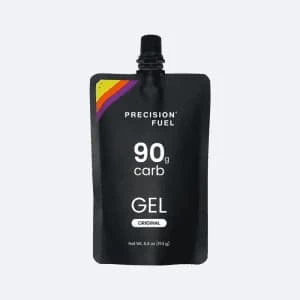

Long distance running demands far more than physical endurance and mental resilience. Proper fueling and fluid balance play a decisive role in performance, recovery, and overall health. For athletes preparing for marathons and ultra distance events, a hydration gel for runners can be an efficient and practical solution to maintain electrolyte balance and energy levels during prolonged efforts. Understanding how these gels work and how to use them strategically can significantly enhance training outcomes and race day performance.
Understanding the Importance of Hydration in Endurance Running
Hydration is not simply about drinking water. During extended runs, the body loses fluids and essential electrolytes through sweat. This fluid loss impacts blood volume, temperature regulation, muscle function, and cognitive clarity. If not managed properly, dehydration can lead to fatigue, cramping, dizziness, and reduced performance.
Marathon and ultra runners face unique challenges because their events last several hours. In ultra events, efforts may extend well beyond six hours. The longer the duration, the greater the risk of fluid imbalance. Environmental factors such as heat, humidity, altitude, and wind can further accelerate fluid loss.
The Role of Electrolytes
Electrolytes such as sodium, potassium, magnesium, and calcium are critical for muscle contractions and nerve signaling. Sodium, in particular, helps maintain fluid balance and prevents excessive water loss. When runners sweat heavily without replacing electrolytes, they risk muscle cramps, weakness, and in severe cases, hyponatremia.
Hydration gels are designed to provide both fluids and electrolytes in a concentrated, portable form, making them suitable for long distance training sessions and races.
Hydration Versus Energy Gels
Many runners are familiar with energy gels that primarily supply carbohydrates. Hydration gels differ in formulation. While some include carbohydrates, their primary focus is maintaining electrolyte balance and supporting fluid absorption. They are often lighter on sugars and may be easier on the stomach for athletes sensitive to high carbohydrate intake.
What Is a Hydration Gel?
A hydration gel is a semi liquid product formulated to deliver electrolytes, sometimes combined with light carbohydrates, in a compact serving. It is typically consumed during exercise and followed by a sip of water to aid absorption.
Unlike traditional sports drinks, hydration gels are easy to carry during long runs without adding significant weight or bulk. This makes them especially practical for trail runners and ultramarathon participants who may be covering remote terrain.
Key Ingredients in Hydration Gels
Hydration gels generally include the following components:
Sodium
Sodium supports fluid retention and prevents excessive electrolyte depletion. It is often the primary ingredient in hydration formulas.
Potassium
Potassium works alongside sodium to regulate muscle contractions and nerve impulses.
Magnesium and Calcium
These minerals assist in muscle function and may reduce the likelihood of cramping during prolonged efforts.
Light Carbohydrates
Some hydration gels contain small amounts of carbohydrates to support sustained energy without overwhelming the digestive system.
Why Marathon and Ultra Runners Benefit Most
While shorter distance runners may rely primarily on water, marathon and ultra athletes experience extended periods of sweat loss and energy depletion. Hydration gels offer specific benefits for these long efforts.
Convenient Electrolyte Replacement
Carrying large bottles of sports drink is not always feasible during races. Hydration gels allow runners to replenish essential minerals without interrupting their rhythm.
Reduced Risk of Gastrointestinal Distress
During long races, the digestive system is under stress. Heavy meals or high sugar intake can cause discomfort. Hydration gels often provide a more tolerable option, particularly for athletes who struggle with traditional sports drinks.
Adaptability Across Conditions
Whether training in hot summer weather or tackling mountainous ultra courses, runners can adjust their gel intake according to sweat rate and environmental demands.
How to Use Hydration Gel During Training
Strategic use of hydration gels during training prepares the body for race day demands. It is essential to practice timing and dosage well before competition.
Establishing a Hydration Plan
Most endurance athletes benefit from consuming electrolytes every thirty to sixty minutes during prolonged efforts. Individual needs vary based on sweat rate, body size, and climate.
A practical approach includes:
Monitoring sweat loss during long runs
Tracking body weight before and after training
Adjusting intake based on conditions
Pairing with Water
Hydration gels are typically consumed with water. This enhances absorption and prevents an overly concentrated solution in the stomach. Runners should aim for small, consistent sips rather than large volumes at once.
Training the Gut
Just as muscles adapt to training, the digestive system can adapt to fuel intake. Incorporating hydration gels during long runs helps reduce the likelihood of stomach issues during races.
Hydration Gel Strategy for Marathon Racing
Marathons present a controlled but demanding environment. Aid stations are available, but pacing and fueling must be precise.
Pre Race Preparation
In the days leading up to the marathon, runners focus on maintaining balanced hydration. This does not mean excessive water intake but rather steady electrolyte consumption and balanced meals.
On race morning, some athletes choose to consume a hydration gel shortly before the start, especially in warm conditions.
During the Race
Many marathon runners aim to take electrolytes at regular intervals. Depending on personal sweat rate, this may be every forty five to sixty minutes. Coordinating gel intake with aid stations ensures access to water.
Listening to thirst cues while maintaining a structured plan helps prevent both dehydration and overhydration.
Hydration Gel Strategy for Ultra Distance Events
Ultra marathons introduce additional complexity. Terrain, elevation gain, temperature swings, and duration require a more flexible approach.
Early Stage Discipline
In ultras, it is common for athletes to neglect hydration early on due to excitement and adrenaline. Maintaining scheduled electrolyte intake from the beginning reduces the risk of cumulative dehydration later.
Managing Changing Conditions
Ultra events often span different climates or time periods. Runners may face heat during the day and cooler temperatures at night. Adjusting hydration gel intake according to sweat rate and temperature is critical.
Avoiding Flavor Fatigue
During events lasting many hours, taste fatigue becomes a factor. Rotating flavors or alternating between hydration gels and other electrolyte sources can help maintain consistent intake.
Common Mistakes to Avoid
Even experienced runners can make hydration errors that compromise performance.
Waiting Until Thirst Is Intense
Thirst is a late indicator of dehydration. Runners should maintain a proactive hydration schedule rather than relying solely on thirst signals.
Ignoring Electrolytes
Drinking only water without replacing sodium can dilute blood sodium levels and impair muscle function. Hydration gels help address this imbalance.
Overconsumption
Excessive electrolyte or fluid intake can cause bloating and discomfort. Following a personalized plan prevents overcompensation.
Choosing the Right Hydration Gel
Selecting a suitable hydration gel involves evaluating ingredient profile, sodium content, carbohydrate levels, and personal tolerance.
Assess Sweat Rate
Athletes who sweat heavily or notice salt residue on clothing may require higher sodium content.
Consider Climate
Hot and humid environments increase electrolyte needs. Cooler climates may require less frequent intake.
Test During Training
Race day is not the time to experiment. All fueling strategies should be tested repeatedly in training to assess tolerance and effectiveness.
Integrating Hydration with Overall Nutrition
Hydration gels are one component of a broader fueling plan. Marathon and ultra runners must consider total calorie intake, carbohydrate needs, and recovery strategies.
Combining hydration gels with carbohydrate sources such as energy gels, chews, or whole foods ensures a balanced approach. After long sessions, replenishing fluids and electrolytes supports muscle repair and immune function.
Recovery and Rehydration After Long Runs
Post run hydration is just as important as fueling during exercise. Replacing lost fluids and electrolytes accelerates recovery and prepares the body for the next training session.
Runners can assess hydration status by monitoring urine color and body weight changes. Consuming balanced meals that include sodium helps restore equilibrium.
The Psychological Advantage of Preparedness
Confidence plays a major role in endurance events. Knowing that hydration is well managed allows athletes to focus on pacing, form, and mental resilience.
Having a structured hydration plan that includes gels reduces uncertainty. When runners feel physically stable, they are better equipped to handle the inevitable challenges of long distance racing.
Final Thoughts on Hydration Gel for Marathon and Ultra Training
Marathon and ultra training demand strategic planning, especially when it comes to hydration and electrolyte balance. Hydration gels provide a compact, effective solution for maintaining fluid equilibrium during prolonged efforts. By understanding sweat rate, practicing intake during training, and adjusting for environmental conditions, runners can optimize performance and minimize risk.
Consistent preparation, careful experimentation, and mindful execution create the foundation for successful long distance racing. When hydration is properly managed, athletes are free to push their limits with confidence and resilience.
For runners seeking guidance and resources to support their endurance journey, Pure Running is here to help.

























Sign in to leave a comment.