

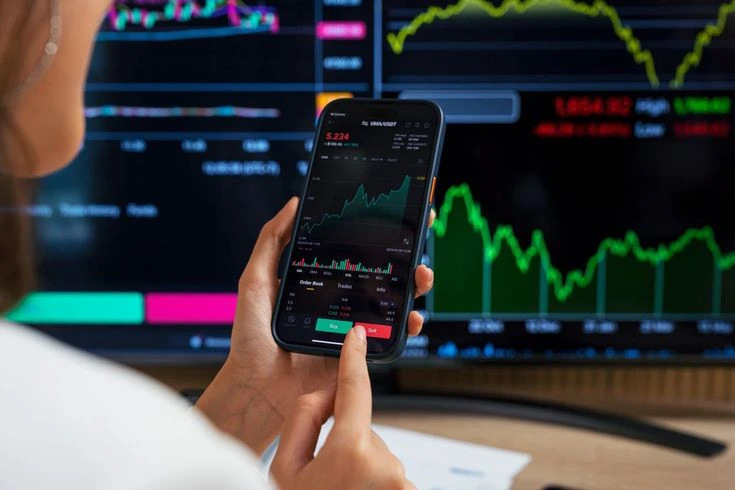
Intraday trading is one of the most dynamic approaches to the stock market, demanding speed, accuracy, and powerful tools that can help traders make real-time decisions.
Best trading apps in India are not just platforms to place orders; they are complete ecosystems where intraday traders can analyze markets, deploy strategies, and manage risks efficiently. In today’s fast-paced environment, the right app can make or break the success of an intraday trader, especially for young investors looking to balance costs with advanced functionality.
Why intraday traders need specialized apps
Intraday trading is distinct from long-term investing. Instead of holding stocks for weeks or months, positions are opened and closed within the same trading day. This compressed time horizon means:
- Execution speed and uptime reliability are critical.
- Real-time data accuracy decides profitability.
- Advanced order types, like stop-loss and bracket orders, help manage risk.
- Instant fund transfers and low brokerage fees enhance flexibility.
- A trading app must empower traders to stay focused, respond quickly, and act on insights without technical friction.
Features intraday traders should prioritize
The best apps for intraday trading are built with specific needs in mind. When evaluating, prioritize:
- Live market data & depth: Level 2 data, order book visibility, and tick-by-tick price updates.
- Fast execution: Minimal latency and the ability to handle heavy trading volumes during peak volatility.
- Advanced charting tools: Indicators, overlays, multiple timeframes, and drawing tools.
- Customizable dashboards: Allowing traders to monitor multiple assets and strategies simultaneously.
- Order flexibility: Bracket orders, cover orders, GTT (Good Till Triggered), and advanced stop-loss options.
- Cost efficiency: Flat or discount brokerage models to minimize expenses on high-frequency trades.
- Mobile and desktop sync: For traders who switch between devices.
The role of AI and automation in intraday trading apps
Many modern apps integrate artificial intelligence and machine learning to provide predictive insights, anomaly detection, and strategy suggestions. For intraday traders, AI-driven alerts on momentum shifts or volatility spikes can provide a competitive edge. Automation, such as rule-based trading or API integrations, allows traders to systematically execute strategies without manually monitoring every tick.
Risk management tools every app should offer
Intraday trading inherently carries higher risk. The right app reduces risk exposure by:
- Providing real-time margin calculators.
- Offering instant alerts for margin shortfalls.
- Allowing preset stop-loss orders to minimize losses.
- Displaying exposure reports in an easy-to-understand dashboard.
- Apps that integrate these tools effectively help intraday traders manage capital prudently.
Educational resources and community support
For beginners entering intraday trading, apps that include educational modules, video tutorials, or community forums create a more supportive environment. This helps new traders learn about technical analysis, trading psychology, and risk management while gaining insights from peer discussions.
User experience and interface design
A cluttered, laggy, or overly complicated app can cost traders opportunities. A good app should balance functionality with simplicity, offering:
- Smooth navigation.
- Intuitive layouts.
- Easy-to-find features.
- Responsive chart interactions.
- For intraday traders who make split-second decisions, seamless UX is just as important as technical features.
Best Trading Apps in India for Intraday Traders with Speed and Advanced Tools
In the competitive world of fast-paced trading, finding trading apps tailored for intraday traders is critical. Under this lens, the focus is not just on low brokerage or flashy dashboards but on real-world performance, consistency, and the small technical details that directly impact trading outcomes. While many options exist, the best trading apps in india are those that combine reliability, lightning-fast execution, and advanced charting with strong customer support to meet the high-pressure demands of daily market action.
Comparing discount brokers vs full-service brokers
Discount brokers dominate intraday trading because of their low fees and advanced platforms. Full-service brokers, on the other hand, provide in-depth research and advisory services. For intraday traders, the cost-saving advantage of discount brokers is usually preferable, as frequent trades can quickly inflate expenses with percentage-based fees.
Mobile-first vs desktop-first platforms
While desktop platforms historically offered more advanced features, modern mobile apps are now powerful enough to compete. Most traders today demand seamless synchronization between devices. Intraday traders should choose an app that allows them to trade confidently whether they’re at their desk or on the move.
Reliability during volatility
Markets often move the fastest during opening and closing hours or when significant news breaks. Intraday traders must test an app’s performance during these critical windows. Apps that freeze, lag, or reject orders under stress are unsuitable for active traders. Reliable brokers invest in server infrastructure and provide consistent performance during volatile times.
Brokerage structures that suit intraday trading
- Flat-fee per trade: Best for frequent traders placing large volumes.
- Subscription models: Ideal for ultra-high-frequency traders who want unlimited trades at a fixed monthly cost.
- Discount brokerage: Affordable options for small to medium active traders.
- Choose a structure that aligns with your trading style to maximize cost efficiency.
Technical analysis support
Intraday traders rely heavily on charts and technical indicators. Look for apps that offer:
- Moving averages, RSI, MACD, and Bollinger Bands.
- Multiple chart types (candlestick, Heikin Ashi, line, bar).
- Intraday-specific timeframes (1 min, 5 min, 15 min).
- Custom indicator integration for experienced traders.
Smart order placement features
Modern apps offer advanced order placement such as:
- Basket orders: Place multiple trades with a single click.
- Algo trading support: Pre-program strategies via APIs.
- One-click square-off: Exit all open positions instantly.
- These features save time and reduce execution errors during high-pressure market moves.
Customer support and service reliability
Fast, helpful customer service is essential when dealing with technical glitches or urgent account issues. Choose apps with strong multi-channel support: chat, phone, email, and knowledge bases. Response time can make a difference between a resolved issue and a costly mistake.
Testing and onboarding process
Before committing, intraday traders should test an app with:
- A small initial deposit.
- A few low-value trades to observe execution speed and hidden costs.
- Customer service interactions to evaluate responsiveness.
- Demo accounts or paper trading (if available) to test features without risking capital.
Security and compliance
All trading apps must be SEBI-registered and comply with regulatory standards. Look for features like two-factor authentication, biometric login, and strong encryption to safeguard your funds and data. Transparent communication about risk disclosures and compliance builds long-term trust.
Taxation and reporting for intraday traders
Intraday trading profits are treated as business income in India. Good apps provide detailed contract notes, P&L statements, and annual tax reports that simplify compliance and help avoid filing errors. Some apps also integrate with third-party tax platforms for easier reconciliation.
Behavioral discipline: the human side of intraday trading
Even the best app can’t replace good discipline. Traders should use apps that promote structured approaches:
- Journaling features to record trades.
- Analytics to highlight behavioral patterns.
- Notifications to remind traders of stop-loss levels.
- These small nudges help reduce emotional decision-making and keep strategies consistent.
Final thoughts
For intraday traders, the right app is as important as strategy and discipline. By focusing on execution reliability, risk management, and advanced analysis, you can build an edge in daily trading. Ultimately, choosing between providers comes down to how well they align with your style and objectives. If you’re evaluating platforms, compare not just features but also consistency and support to ensure you’re set up for long-term success. As you refine your journey, remember that both the best stock broker in India and the best trading apps in India play complementary roles in shaping a trading experience that is efficient, secure, and profitable.



























Sign in to leave a comment.