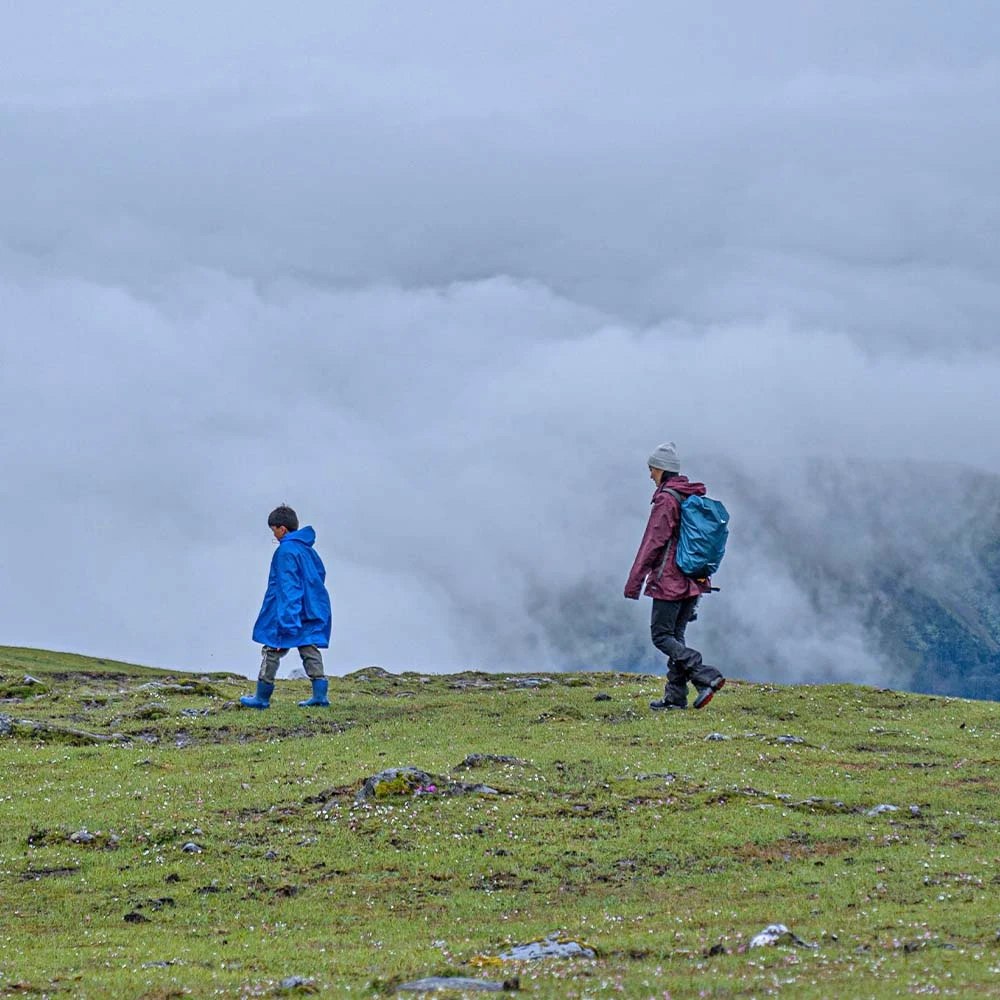

Bhutan, the mystical Himalayan kingdom, is often hailed as the “Last Shangri-La”—a land where time seems to slow down and where pristine landscapes blend seamlessly with deep-rooted spirituality. Nestled between China and India, Bhutan offers not only cultural richness but also some of the most breathtaking trekking routes in the world. For adventure seekers, the best treks in Bhutan are more than just hikes—they are spiritual and cultural odysseys.
In this guest post, we will explore the top treks in Bhutan, what makes them special, and how to prepare for a once-in-a-lifetime trekking experience.
Why Trek in Bhutan?
Bhutan is unlike any other trekking destination. Here’s what sets it apart:
- Untouched Trails: Unlike the crowded trails of Nepal or the Alps, Bhutan’s trekking routes remain blissfully serene and remote.
- Spiritual Enrichment: Many treks pass through ancient monasteries, prayer flags, and sacred sites.
- Sustainable Tourism: Bhutan’s “High Value, Low Impact” tourism policy ensures minimal environmental degradation.
- Diverse Terrain: From subtropical forests to snow-covered passes, the variety in landscape is stunning.
Top 7 Best Treks in Bhutan
1. Jomolhari Trek
Duration: 8–10 days
Difficulty: Moderate to Strenuous
Best Time: April to June, September to November
The Jomolhari Trek in bhutan is one of the most iconic treks, offering spellbinding views of Mt. Jomolhari (7,326m), also known as the "Bride of Kangchenjunga." The trail winds through pristine forests, remote yak herder villages, and alpine meadows.
Highlights:
- Views of Jomolhari and Jichu Drake peaks
- Base camp at Jangothang
- Wildlife spotting (blue sheep, marmots, takins)
- Traditional Bhutanese farmhouses
This trek beautifully balances nature and culture, making it ideal for seasoned trekkers.
2. Druk Path Trek
Duration: 5–6 days
Difficulty: Moderate
Best Time: March to June, September to November
A favorite for those short on time, the Druk Path Trek connects Paro and Thimphu, two of Bhutan’s main cities. Though relatively short, it offers high-altitude lakes, ridgeline views, and rhododendron forests.
Highlights:
- Stunning views of Mt. Gangkar Puensum (Bhutan’s highest peak)
- Visits to ancient temples and monasteries
- High-altitude lakes like Jimilang Tsho
- Encounters with nomadic yak herders
This trek is perfect for first-time trekkers in Bhutan.
3. Snowman Trek
Duration: 25–30 days
Difficulty: Extremely Strenuous
Best Time: September to mid-October
Often described as the toughest trek in the world, the Snowman Trek is not for the faint-hearted. It traverses the remote Lunana region and crosses 11 high-altitude mountain passes—most above 5,000 meters.
Highlights:
- Glacial lakes and untouched valleys
- High-altitude Himalayan villages
- Views of Gangkar Puensum and other massive peaks
- Cultural immersion in isolated communities
Only a handful of trekkers complete this route each year due to its remoteness and challenging terrain.
4. Bumthang Cultural Trek
Duration: 3–4 days
Difficulty: Easy to Moderate
Best Time: March to May, September to November
If you're more interested in Bhutan's rich heritage than high-altitude passes, the Bumthang Cultural Trek is for you. It takes you through the spiritual heartland of Bhutan, where you’ll explore centuries-old monasteries and temples.
Highlights:
- Tamshing Lhakhang and Kurjey Lhakhang
- Local farming villages
- Stunning valley landscapes
- Sacred sites of Guru Rinpoche
It’s a culturally immersive experience ideal for family travelers and spiritual seekers.
5. Dagala Thousand Lakes Trek
Duration: 5–6 days
Difficulty: Moderate
Best Time: April to June, September to October
As the name suggests, this trek offers surreal views of dozens of high-altitude lakes, nestled in alpine meadows. It also provides one of the best panoramic views of the Bhutanese Himalayas.
Highlights:
- Numerous glacial lakes with crystal-clear water
- Scenic views of Mt. Everest, Kanchenjunga, and Jomolhari
- Trout fishing in some lakes
- Remote yak herder settlements
This trail is relatively less traveled, making it a peaceful alternative to more popular routes.
6. Duer Hot Springs Trek
Duration: 9–10 days
Difficulty: Strenuous
Best Time: March to May, September to November
Starting from Bumthang, this offbeat trek is an adventure lover’s dream. It passes through unspoiled forests and leads to the famous Duer Hot Springs—a natural spa hidden deep in the wilderness.
Highlights:
- One of the most beautiful hot springs in Bhutan
- Forests filled with rhododendrons and magnolias
- Glacial rivers and waterfalls
- Rare wildlife encounters
This trek is recommended for experienced hikers looking to go off the beaten path.
7. Merak-Sakteng Trek
Duration: 6–7 days
Difficulty: Moderate
Best Time: March to June, September to November
Located in Eastern Bhutan, this culturally unique trek takes you through the semi-nomadic Brokpa villages. The trail winds through the Sakteng Wildlife Sanctuary, home to the elusive yeti, according to local legend.
Highlights:
- Cultural interaction with the Brokpa community
- Unique dialects, clothing, and customs
- Rich biodiversity and birdlife
- Beautiful meadows and pine forests
A truly immersive trek combining culture, folklore, and natural beauty.
Essential Trekking Tips for Bhutan
Trekking in Bhutan requires a bit of planning. Here are some essentials to ensure a safe and enjoyable journey:
1. Book Through a Licensed Tour Operator
Independent trekking is not allowed. You must book through a licensed Bhutanese tour operator or an international partner.
2. Pack Smart
Prepare for varied weather conditions. Essentials include:
- Layered clothing
- Waterproof gear
- Sleeping bag
- Trekking boots
- Altitude sickness medication
3. Train in Advance
Some treks involve steep ascents and high-altitude passes. Cardiovascular and endurance training is highly recommended.
4. Stay Hydrated and Acclimatize
Always stay hydrated and allow your body to acclimatize to higher altitudes to avoid Acute Mountain Sickness (AMS).
5. Respect Local Culture
Bhutanese people are deeply spiritual and traditional. Dress modestly and follow local customs, especially in sacred sites.
Best Time to Trek in Bhutan
The ideal months for trekking in Bhutan are:
- Spring (March to May): Clear skies, blooming flowers, and pleasant weather.
- Autumn (September to November): Best mountain views and dry conditions.
Avoid the monsoon season (June to August) and peak winter (December to February) due to rain and snow, which can make trails hazardous.
Eco-Tourism and Sustainability
Bhutan takes sustainability seriously. The government promotes eco-tourism and limits the number of tourists to reduce the environmental impact. By choosing Bhutan for your next trekking adventure, you contribute to a country that values nature over numbers.
Conclusion
From the cultural valleys of Bumthang to the towering heights of the Snowman Trek, Bhutan offers a trekking experience like no other. Whether you’re a seasoned mountaineer or a casual hiker, the best treks in Bhutan promise soul-stirring views, cultural depth, and spiritual encounters.
So pack your boots, charge your camera, and prepare for a journey that transcends the physical trail—because in Bhutan, every step is a step toward enlightenment.



















Sign in to leave a comment.