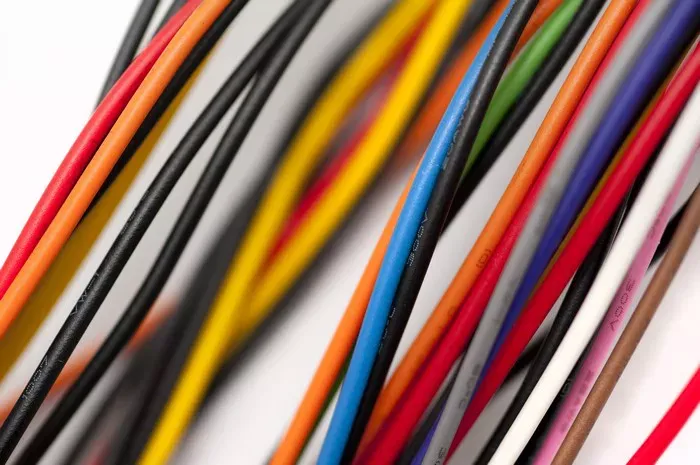

The wire connecting the electric meter to the main panel is one of the most critical components in a residential or commercial electrical system. This feeder wire must handle the total load of the building while meeting stringent safety codes and efficiency standards. Selecting the right wire type, size, insulation, and installation method is essential to ensure reliable and safe power distribution.
This guide will explain everything you need to know about the types of wire used from the meter to the panel, including code requirements, material options, sizing, and best practices. By the end, you’ll understand how to make informed decisions or verify a professional installation.
Understanding the Function of Meter-to-Panel Wiring
The wire between the meter and the main panel—often referred to as the “service entrance cable”—carries electricity from the utility meter socket into the home or building’s breaker box. It must be able to withstand environmental exposure and carry high current safely.
This wiring typically:
Handles the entire electrical load for the building.
Is rated for outdoor or underground installation.
Is governed by the National Electrical Code (NEC).
Main Types of Wire Used from Meter to Panel
SE Cable (Service Entrance Cable)
SE (Service Entrance) cables are one of the most common choices for above-ground installations. They include:
SEU (Service Entrance – Unarmored): Often used in residential applications, it includes two insulated conductors and one bare ground wire.
SER (Service Entrance – Round): Typically used indoors from the meter to the panel. It includes two or three insulated conductors and a bare ground, enclosed in a gray PVC jacket.
USE Cable (Underground Service Entrance)

USE (Underground Service Entrance) cables are suitable for underground installations. These cables are rated for direct burial and offer robust moisture resistance. USE-2 is the common type for residential underground feeds.
THHN/THWN in Conduit
Individual THHN (Thermoplastic High Heat-resistant Nylon-coated) or THWN (Thermoplastic Heat and Water-resistant Nylon-coated) wires are often installed in PVC or metal conduit. This setup offers high protection and flexibility for custom installations.
Copper vs. Aluminum Wire
Choosing between copper and aluminum conductors is a fundamental decision. Each has advantages and disadvantages:
Copper Wire
Higher conductivity
Smaller diameter for same ampacity
More expensive
Less prone to corrosion and thermal expansion
Aluminum Wire
More affordable
Heavier gauge required for same current
Requires antioxidant paste to prevent corrosion
Common in 200 amp residential service feeds
Most residential applications use aluminum SEU cable for cost-efficiency, especially for 100A, 150A, or 200A services. Copper is typically used in high-end homes or where space constraints demand smaller wire sizes.
Wire Size by Amp Rating
Correct wire sizing ensures safe current carrying capacity. The wire size depends on the total amperage of the service.
| Amps | Copper (AWG) | Aluminum (AWG) |
|---|---|---|
| 100A | #4 | #2 |
| 125A | #2 | #1/0 |
| 150A | #1 | #2/0 |
| 200A | #2/0 | #4/0 |
| 225A | #3/0 | 300 kcmil |
Note: Always verify wire size using NEC tables and consult local codes, which may have stricter guidelines.
Insulation Types and Ratings
Outdoor/Rain Exposure
Use wire types like SEU, SER, or USE-2, which are rated for UV resistance and moisture. For overhead installations, triplex aluminum cables are often used with a neutral messenger.
Direct Burial
USE-2 or XHHW-2 conductors are suitable for direct burial and underground conduits. These wires resist moisture, heat, and environmental degradation.
Conduit Installations
When using conduit, THWN or THWN-2 wires are typically used. These have a heat rating of 90°C and are water-resistant.
Conduit or Direct Burial: Installation Method
The method of installation also affects wire selection.
Above-Ground Service
In this case, SEU or SER cable may be fastened to the house exterior and brought directly into the panel.
Underground Feeder (UGF)
Common for newer homes, wires are run underground in Schedule 40 or 80 PVC conduit. In some regions, direct burial with USE-2 cable is permitted without conduit.
National Electrical Code (NEC) Requirements
NEC provides mandatory rules about service conductors:
Minimum burial depth (typically 24 inches for direct burial without conduit)
Proper conductor sizing based on ampacity tables
Protection from physical damage
Use of approved connectors and terminals
It’s essential to check both the latest NEC edition and your local building authority for regional amendments.
Choosing the Right Type of Wire
To determine the correct wire type for your application, consider:
Distance from meter to panel: Longer distances may require upsizing the wire to compensate for voltage drop.
Service rating (100A, 200A, etc.): Directly impacts wire size.
Outdoor or indoor routing: Affects the insulation rating and cable type.
Above-ground or underground installation: Decides between SE, USE, or THWN in conduit.
Common Mistakes to Avoid
Using indoor-rated cable for exterior applications
Undersizing conductors and causing overheating
Omitting conduit where required
Failing to bond and ground correctly
A licensed electrician should always install or review meter-to-panel wiring to ensure full code compliance and safety.
Conclusion
Selecting the proper type of wire from the meter to the panel involves more than just picking a cable—it’s about meeting code, ensuring safety, optimizing cost, and providing long-term reliability. Factors like load requirements, installation method, distance, and wire material must all be considered. Aluminum SEU or USE-2 are common in residential applications, while copper may be favored for critical or space-limited installations. THWN in conduit offers flexible routing for both indoor and outdoor applications. Understanding these options helps homeowners, contractors, and inspectors make confident, safe decisions in electrical installations.
FAQs
What wire size is needed for a 200 amp service from meter to panel?
For copper, 2/0 AWG is standard. For aluminum, 4/0 AWG is typically used. Always confirm with NEC Table 310.16 and consider voltage drop for longer runs.
Can I use THHN wire from the meter to the panel?
Yes, but only if installed in conduit and rated THWN or THWN-2 for moisture resistance. THHN alone is not suitable for wet environments.
Is aluminum wire safe for service entrance use?
Yes, aluminum wire is commonly used for service entrance applications, especially in residential settings. Proper installation, antioxidant paste, and code compliance are essential.
Do I need conduit for the wire from meter to panel?
It depends on the wire type and installation method. Direct burial cables like USE-2 don’t require conduit, but THWN wires must be enclosed. SE cables may run without conduit above ground if secured properly.
How deep should I bury wire from the meter to the panel?
For direct burial cables, a minimum of 24 inches is usually required. If using PVC conduit, the minimum depth is often 18 inches. Always check local code for specifics.
























Sign in to leave a comment.