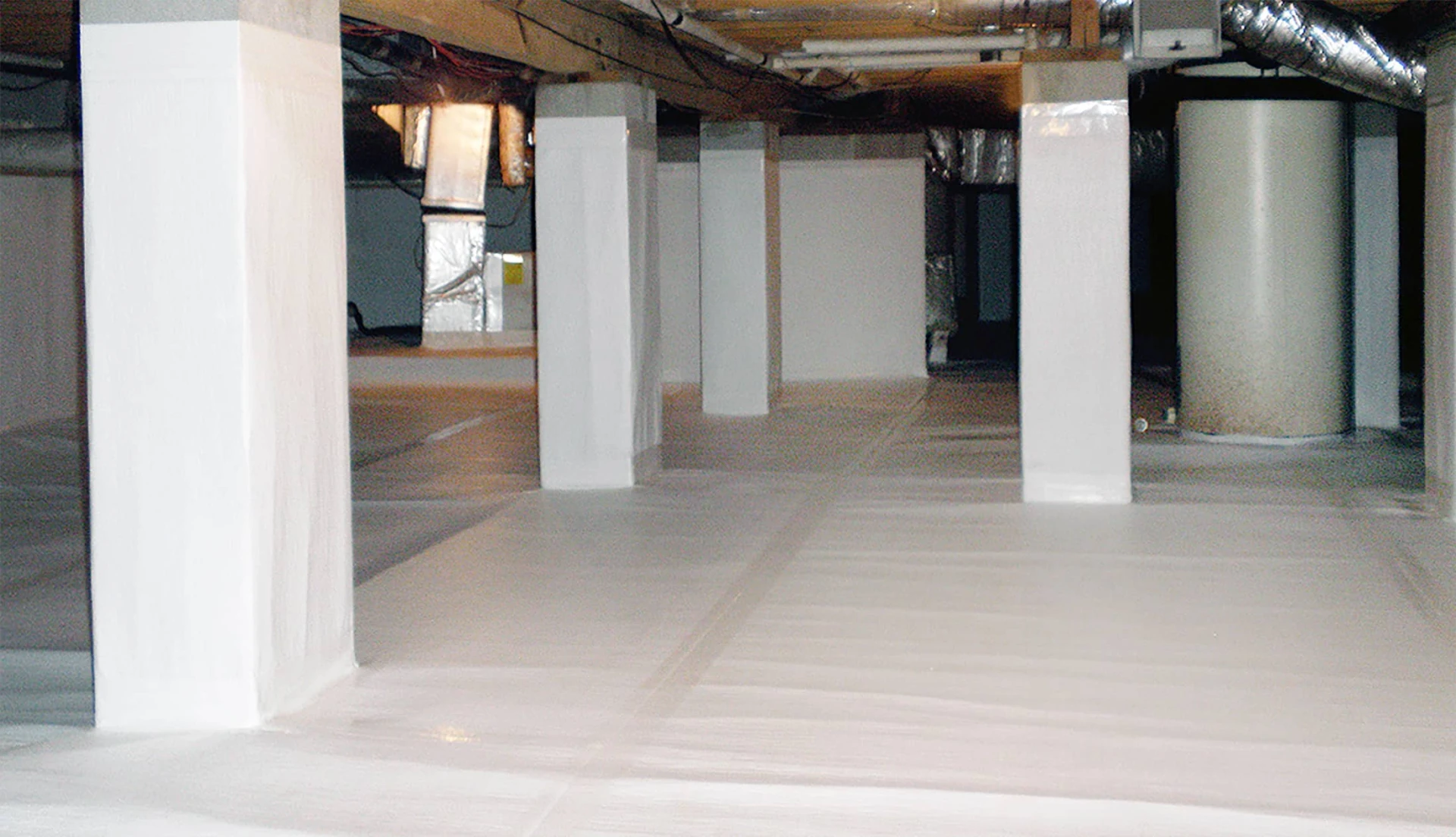
A wet basement is rarely “just a little water.” It can turn into mold smells, damaged drywall, ruined storage, and a lot of stress after every big storm.
If you’re searching for wet basement solutions, the hard part is not finding options. It’s picking the right company and comparing quotes that may include totally different scopes of work.
This list covers five well-known Chicagoland contractors and what to look for when you talk to any of them. It’s written to help you choose the right plan, not just the lowest number.
How to compare companies without getting burned
Before we get into names, here’s a simple way to keep your head clear when you’re looking for wet basement solutions:
1. Start with the cause, not the symptom.Water usually starts outside, then pushes in through cracks, joints, or the wall-floor seam.
2. Ask for a written scope. “We’ll waterproof it” is not a scope. You want details: where drains go, where the sump discharges, what gets sealed, what gets replaced.
3. Make quotes comparable. One bid might include drainage, sump, crack repair, and humidity control. Another might be “seal a crack.” Those are not the same job.
4. Ask about warranties in plain language. What’s covered? For how long? Is it transferable? What is excluded?
Now, the local list.
1) American Basements & Crawlspaces
What they’re known for: Basement waterproofing focused on hydrostatic pressure and foundation cracks, including perimeter breakout with drain tile and drain board. They also mention a lifetime transferable warranty on qualifying work.
Good fit if you:
• Get seepage along the wall-floor edge after heavy rain
• Have recurring water that seems tied to pressure under the floor
• Want a system approach, not just a patch
What to ask on the visit:
• “Where will the drain tile run, and where does it send water?”
• “What happens to water that comes in above the foundation wall?” (Some warranties exclude certain conditions like surface water from grading or plumbing issues, so it’s good to be clear.)
• “Will you recommend any outside fixes too, like downspout extensions or grading?”
Helpful tip: If the plan focuses on interior drainage, ask how the discharge line is routed and how far it extends from the house. That detail matters.
2) Perma-Seal
What they’re known for: A long-established Chicagoland brand offering basement waterproofing, foundation repair, crawl space work, and related services in Chicago and Northwest Indiana. They state they have served the area since 1979.
Good fit if you:
• Want a single company that can handle multiple issues (water, foundation, crawl space, drainage)
• Need help thinking beyond the basement wall, including yard drainage work
What to ask on the visit:
• “What’s your plan for managing water outside first?” (They list yard drainage services, which is often a good sign.)
• “If you recommend a sump pump, what backup options do you suggest?”
• “What maintenance do you expect me to do each year?”
Real-life example: If your downspouts dump right next to the foundation, you might keep getting water no matter what you do inside. A contractor who calls that out early is usually thinking long-term.
3) U.S. Waterproofing
What they’re known for: A large Midwest company that states it has been waterproofing since 1957 and provides basement waterproofing and foundation solutions. Their site also references interior and exterior options and transferable warranties.
Good fit if you:
• Want a company with a long track record and a broad menu of systems
• Have a more complex situation (multiple leak points, finished basement, foundation concerns)
What to ask on the visit:
• “How do you decide between interior drainage, exterior waterproofing, or both?”
• “If you install an interior drain tile system, how do you reduce clogging risk over time?”
• “What exactly is covered under the transferable warranty for the system you’re recommending?”
Watch-out: Bigger companies can be great, but you still want to know who’s doing the work and what the day-of job plan looks like. Ask how many days it will take, who supervises, and what cleanup includes.
4) The Real Seal
What they’re known for: Basement waterproofing, foundation repair, and crawl space encapsulation. They describe using full-system tools like drain tile, vapor barriers, and sump pumps, along with wall repair options.
Good fit if you:
• Have both water issues and wall movement concerns
• Want one team that can address basement and crawl space problems under one plan
What to ask on the visit:
• “Are my cracks cosmetic, or do they suggest wall movement?”
• “If you recommend interior drainage, what else do you seal or protect on the wall?”
• “What’s your plan to control humidity after the water is managed?”
Simple homeowner test: Tape a piece of foil to a damp-looking basement wall for 24 hours. If moisture forms on the back side (against the wall), moisture is moving through the wall. If it forms on the front side, it may be due to indoor humidity and condensation. Either way, it helps the conversation stay practical.
5) ULB-DRY Waterproofing
What they’re known for: Drain tile systems, sump pumps, crack repairs, and crawl space work. Their site mentions more than 25 years of experience and notes that they have repaired a large number of foundation cracks across Chicagoland.
Good fit if you:
• Need drainage plus crack repair (especially if the water shows up in multiple spots)
• Want to discuss backups for sump pumps, especially for power outages
What to ask on the visit:
• “Do you recommend a battery backup or other backup plan for the sump?”
• “Which cracks should be sealed, and which ones should be monitored over time?”
• “What part of the system needs regular maintenance?”
Choosing the right solution for a wet basement isn’t just about stopping water; it's about protecting your home long-term. The companies listed here offer different strengths, so focus on finding a clear, well-explained plan that fits your specific needs. The right waterproofing partner will address the root cause, not just the symptoms, and help you prevent future problems.




























Sign in to leave a comment.