
Introduction
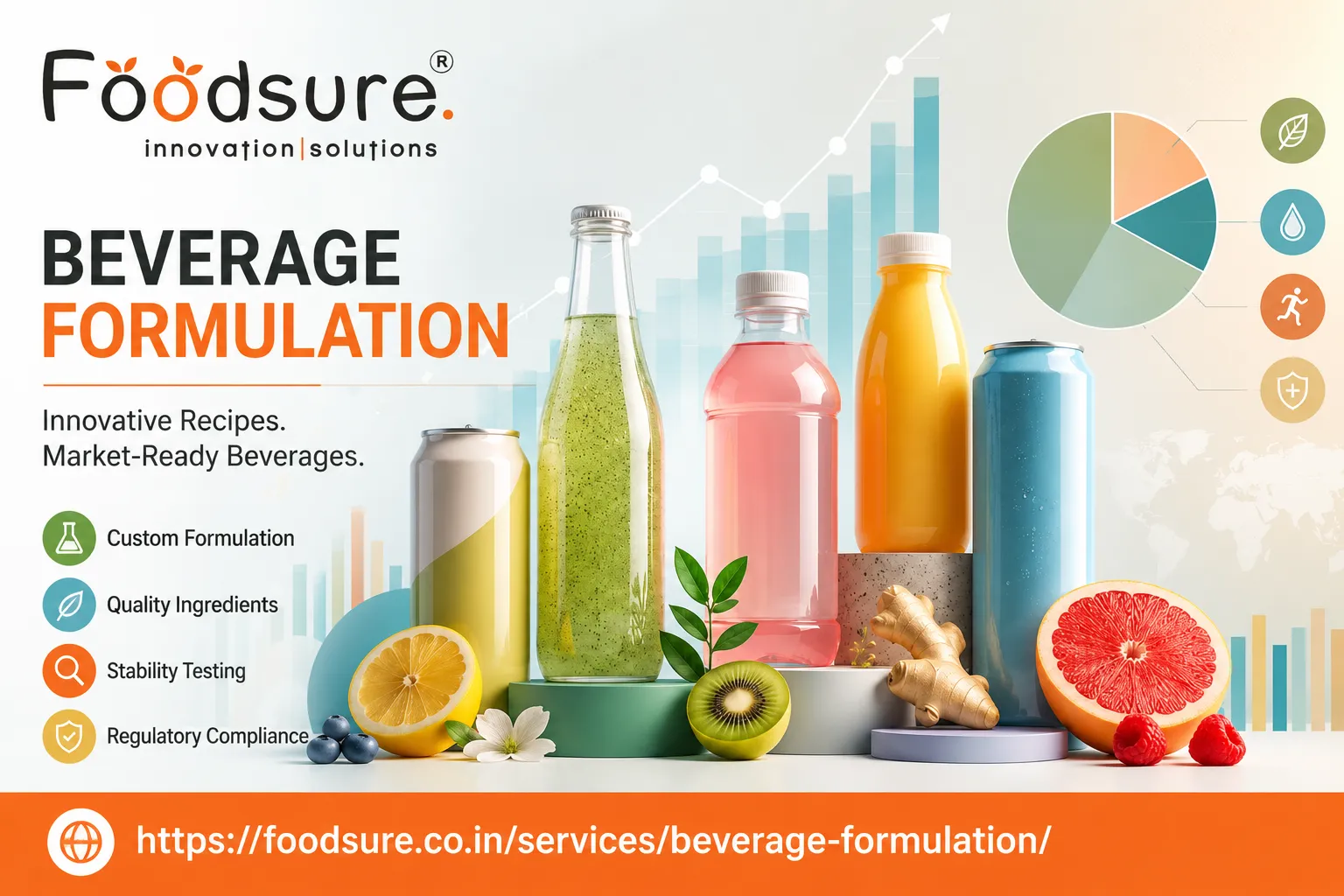
Launching a successful beverage is about much more than choosing a great flavor. Every drink that reaches the market goes through careful planning, testing, and optimization to meet consumer expectations while maintaining quality, safety, and consistency. Beverage Formulation is the foundation of this entire process, helping brands transform innovative ideas into commercially viable products.
Whether you're developing an energy drink, protein beverage, functional water, juice, sparkling drink, or ready-to-drink tea or coffee, a well-structured formulation process ensures the final product delivers the desired taste, nutrition, shelf life, and stability. This guide explains how beverage formulation works, why it matters, and the key stages involved in developing a successful beverage.
What is Beverage Formulation?
Beverage Formulation is the scientific process of designing a beverage recipe by selecting and balancing ingredients to achieve specific goals such as taste, texture, nutritional value, functionality, appearance, and shelf stability. It combines food science, ingredient technology, processing knowledge, and regulatory compliance to create products that perform consistently from production to consumption.
The formulation process is different for every beverage category because each product has unique ingredient interactions, processing requirements, and consumer expectations.
Why Beverage Formulation Matters
A great beverage idea alone doesn't guarantee market success. Proper formulation helps manufacturers create drinks that remain stable throughout their shelf life while maintaining flavor, color, aroma, and nutritional quality.
An effective formulation process provides several advantages. It reduces production risks, improves product consistency, supports regulatory compliance, and ensures the beverage can be manufactured efficiently on a commercial scale. It also allows brands to optimize ingredient costs without compromising quality.
Businesses investing in professional Beverage Formulation often experience faster product development and fewer manufacturing challenges during scale-up.
Key Steps in Beverage Formulation
Understanding Product Objectives
Every successful beverage begins with clear objectives. Before selecting ingredients, developers define the beverage category, target consumers, nutritional profile, flavor preferences, sweetness level, packaging format, and expected shelf life.
These decisions influence every stage of product development and determine the most suitable formulation strategy.
Ingredient Selection
Ingredient selection is one of the most important parts of Beverage Formulation. Each ingredient contributes specific functional properties beyond flavor.
Developers carefully choose:
- Water quality
- Sweeteners
- Acidulants
- Natural or artificial flavors
- Fruit concentrates
- Functional ingredients
- Vitamins and minerals
- Stabilizers
- Preservatives
- Natural colors
Every ingredient must work together without causing instability, separation, sedimentation, or undesirable flavor changes.
Recipe Development
The next stage focuses on beverage recipe development, where different ingredient combinations are tested to achieve the desired taste, mouthfeel, appearance, and functionality.
Small laboratory batches are prepared and evaluated repeatedly until the ideal balance is achieved. Minor adjustments in ingredient percentages can significantly impact the final product, making this stage highly detailed and data-driven.
Stability Testing
Even the best-tasting beverage can fail if it becomes unstable over time. Stability testing evaluates how the beverage performs under different storage conditions.
Typical evaluations include:
- Color stability
- Flavor retention
- pH stability
- Sedimentation
- Ingredient compatibility
- Microbiological safety
These tests help determine product shelf life and identify any improvements needed before commercial production.
Processing Compatibility
Every beverage formulation must be compatible with its intended manufacturing process.
Depending on the product category, beverages may require:
- Pasteurization
- Hot filling
- Cold filling
- Aseptic processing
- Carbonation
- Homogenization
The formulation should withstand these processing conditions without losing quality or functionality.
Sensory Evaluation
Consumer acceptance depends heavily on sensory experience. Developers conduct structured evaluations to assess:
- Taste
- Aroma
- Sweetness
- Mouthfeel
- Appearance
- Overall acceptability
Feedback from these evaluations helps refine the formulation before market launch.
Commercial Scale-Up
A recipe that performs well in a laboratory must also perform consistently in large-scale production.
Commercial scale-up verifies ingredient mixing, processing efficiency, production consistency, and quality control procedures. This stage minimizes manufacturing risks and ensures the beverage maintains the same characteristics across every production batch.
Types of Beverage Products That Require Formulation
Nearly every beverage category requires customized formulation, including:
- Functional beverages
- Energy drinks
- Sports drinks
- Protein beverages
- Carbonated soft drinks
- Ready-to-drink tea
- Ready-to-drink coffee
- Fruit beverages
- Dairy beverages
- Plant-based drinks
- Hydration beverages
- Nutraceutical drinks
Each category requires specialized technical knowledge because ingredient interactions vary significantly.
Common Challenges During Beverage Development
Developing a successful beverage often involves solving several technical challenges.
Some common issues include ingredient separation, flavor degradation, vitamin instability, protein sedimentation, carbonation retention, sweetness optimization, and maintaining microbiological safety. Addressing these challenges early improves product quality and reduces costly reformulations later.
Professional expertise plays an important role because beverage recipe formulation requires balancing technical performance with consumer expectations.
How Professional Beverage Experts Help
Working with experienced beverage specialists simplifies product development by providing scientific expertise, ingredient knowledge, processing guidance, and regulatory support.
A skilled beverage formulation company develops customized solutions based on product objectives, manufacturing capabilities, and market trends. This approach helps businesses accelerate development while reducing technical risks and improving commercialization success.
Future Trends in Beverage Formulation
Consumer preferences continue evolving toward healthier and more functional beverages. As a result, formulation strategies are increasingly focused on:
- Clean-label ingredients
- Reduced sugar solutions
- Natural flavors
- Functional nutrition
- Plant-based proteins
- Adaptogens
- Electrolytes
- Probiotics
- Sustainable ingredients
Innovation in ingredient technology is allowing brands to create beverages that deliver both exceptional taste and enhanced nutritional benefits.
Conclusion
Developing a successful beverage requires much more than creativity. It demands scientific expertise, ingredient compatibility, stability evaluation, processing knowledge, and continuous optimization. A well-planned Beverage Formulation process helps brands produce beverages that meet consumer expectations while ensuring commercial viability and manufacturing consistency.
Whether you're creating a functional drink, sports beverage, RTD coffee, or premium wellness product, investing in professional Beverage Formulation significantly increases the chances of long-term market success. Companies like Foodsure help businesses transform innovative beverage concepts into scalable, high-quality products through expert formulation and product development services.
FAQs
1. What is Beverage Formulation?
Beverage Formulation is the process of developing a beverage recipe by selecting the right ingredients, balancing flavor, nutrition, stability, and processing requirements to create a commercially successful product.
2. Why is beverage formulation important?
It ensures the beverage delivers consistent taste, quality, shelf life, safety, and manufacturing performance while meeting consumer expectations and regulatory requirements.
3. How long does beverage formulation usually take?
The timeline depends on product complexity. Simple beverages may take a few weeks, while functional or highly specialized beverages can require several months of development and testing.
4. What factors affect beverage stability?
Ingredient compatibility, pH, temperature, processing methods, packaging, preservatives, and storage conditions all influence beverage stability.
5. Can beverage formulations be customized?
Yes. Beverage formulations are developed according to product goals, target consumers, nutritional requirements, flavor preferences, packaging, and manufacturing capabilities.
6. What happens after the beverage recipe is finalized?
After formulation is completed, the beverage undergoes pilot production, commercial scale-up, quality testing, regulatory verification, and manufacturing before entering the market.

























Sign in to leave a comment.