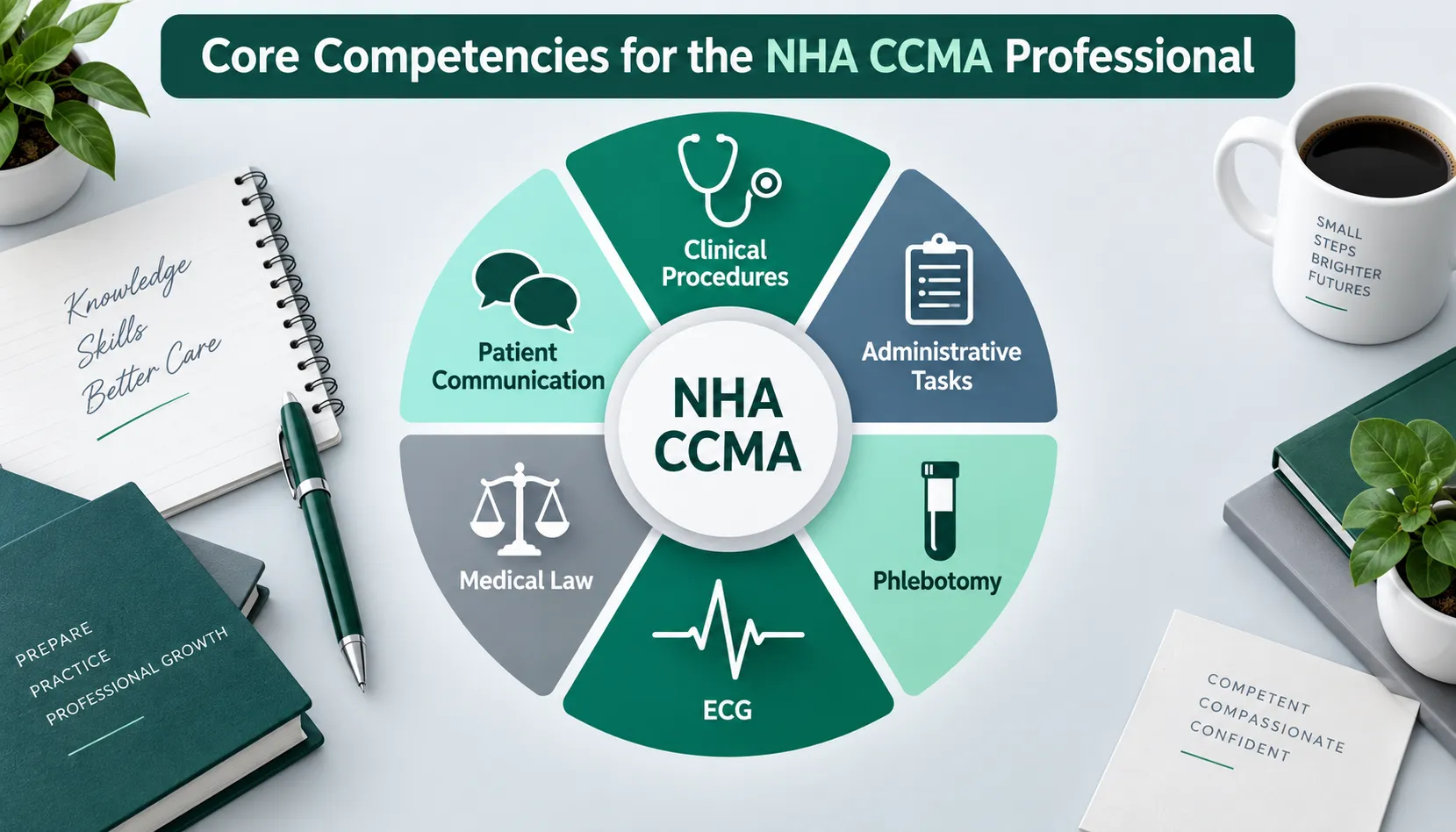

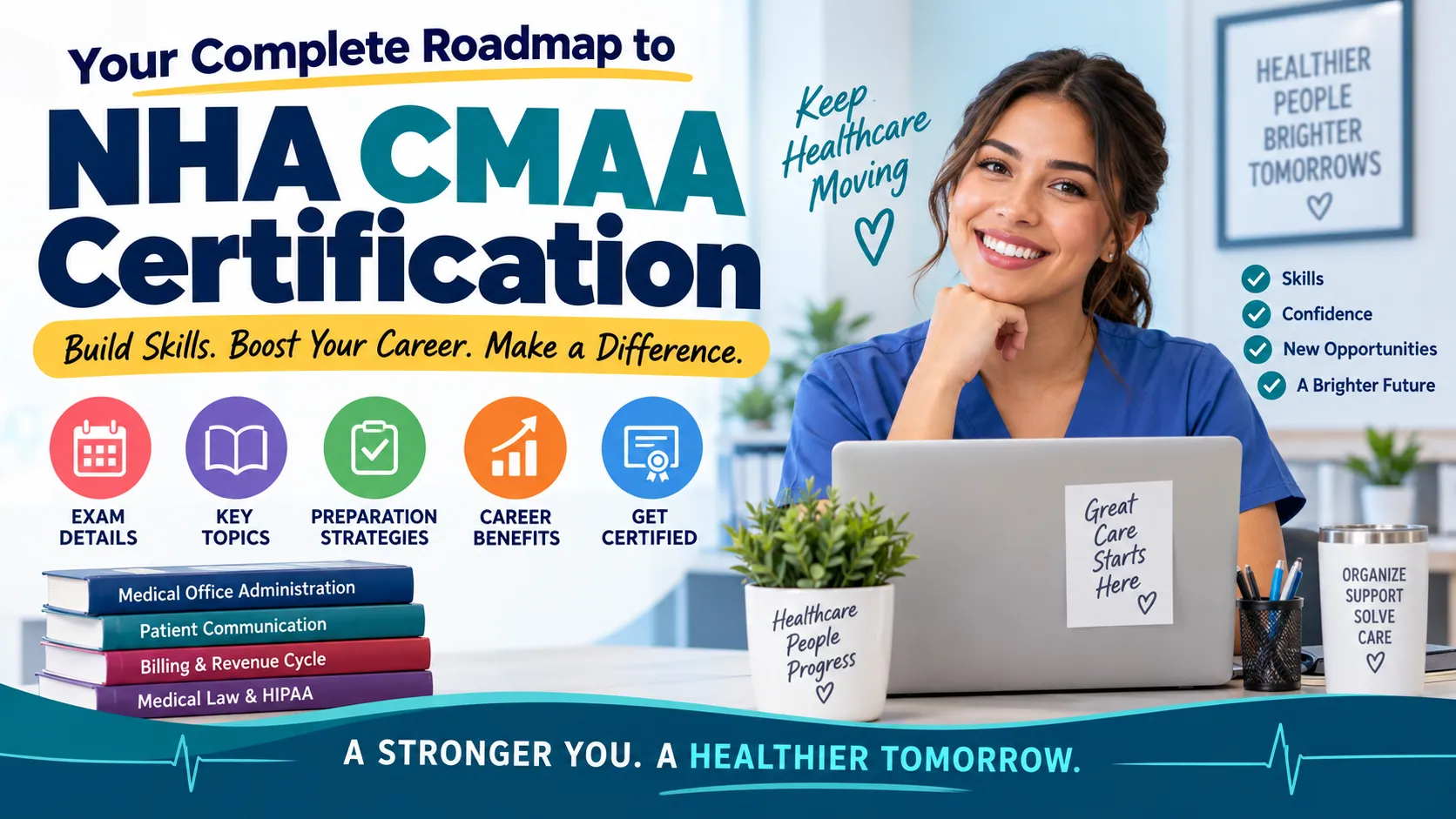
The NHA CCMA certification validates a professional's comprehensive administrative and clinical skills crucial for effective operation within diverse healthcare settings. This credential specifically targets individuals aspiring to excel as Certified Clinical Medical Assistants, recognizing their proficiency in critical patient care and office management tasks. By detailing core competencies and career pathways, this article serves as an indispensable resource for anyone considering the NHA CCMA credential, outlining the significant advantages it confers in a rapidly evolving healthcare landscape.
Defining the NHA CCMA Role and Responsibilities
A National Healthcareer Association (NHA) Certified Clinical Medical Assistant (CCMA) serves as a vital link between patients and healthcare providers, performing a wide array of duties essential for patient care and clinic efficiency. These professionals are adept at managing both clinical and administrative responsibilities, contributing significantly to a seamless healthcare experience. The role demands precision, empathy, and a strong understanding of medical protocols.
Direct Patient Care Contributions
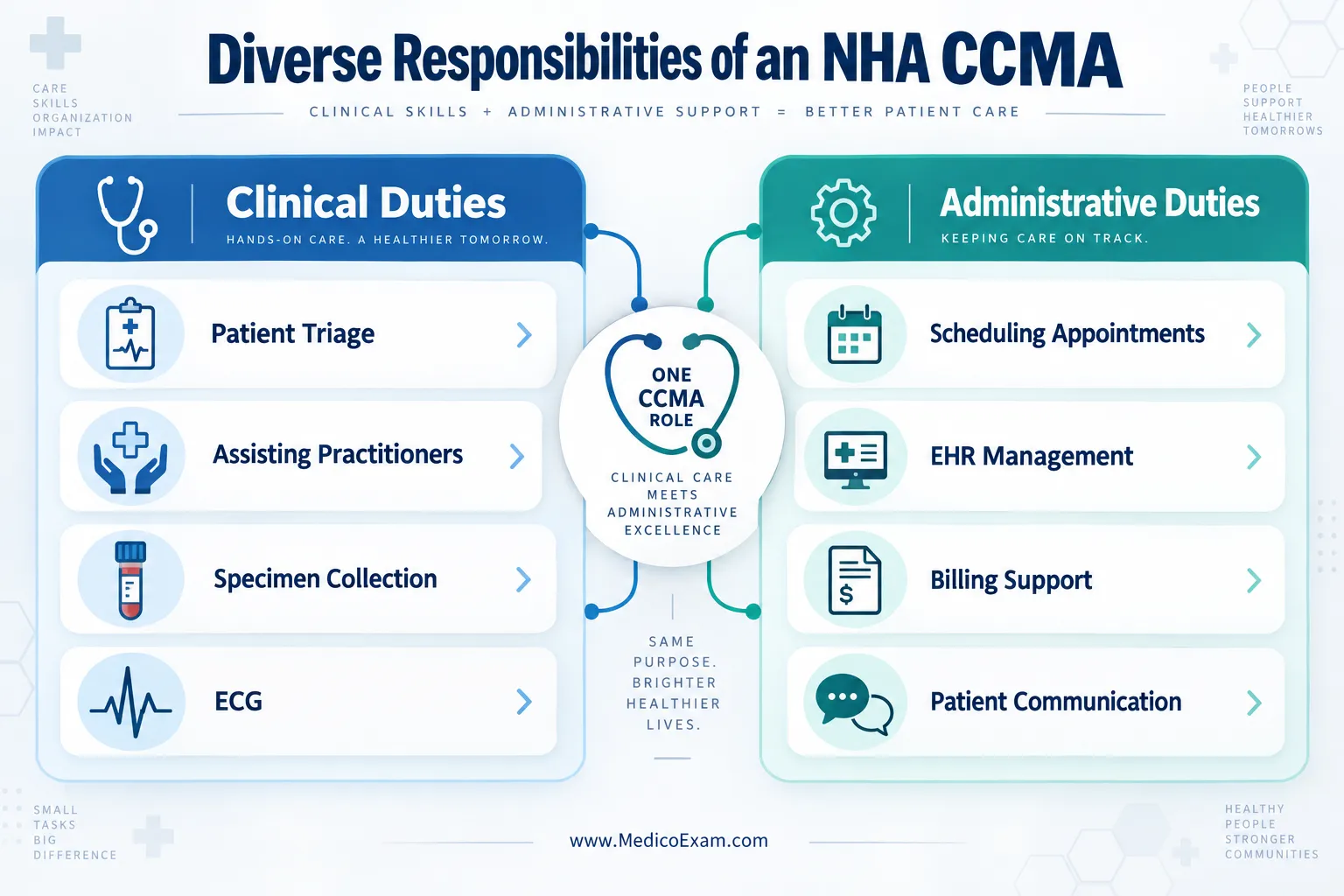
Certified Clinical Medical Assistants play a hands-on role in patient interaction and support, often being the first and last point of contact. Their clinical duties are diverse and directly impact patient well-being and diagnostic accuracy. These contributions are integral to the overall patient journey and clinical operations.
- Patient Triage: Obtaining and recording vital signs, documenting medical histories, and preparing patients for examinations.
- Assisting Practitioners: Supporting physicians or other healthcare providers during examinations, procedures, and treatments.
- Specimen Collection: Performing phlebotomy, collecting urine, and preparing other laboratory specimens.
- Medication Administration: Administering medications under the direction of a licensed healthcare professional, adhering strictly to safety protocols.
- Electrocardiography (ECG): Conducting ECGs and ensuring accurate lead placement and documentation.
- Wound Care: Assisting with wound cleaning and dressing changes.
- Infection Control: Implementing strict infection control procedures to maintain a sterile and safe environment.
Essential Administrative Functions
Beyond clinical tasks, CCMAs are proficient in administrative duties that keep healthcare facilities running smoothly. These responsibilities require strong organizational skills and attention to detail, ensuring patient records are accurate and operations are efficient. For more insights into the National Healthcareer Association, visit the NHA official website.
- Scheduling Appointments: Managing patient appointments, coordinating referrals, and handling follow-up scheduling.
- Electronic Health Records (EHR): Accurately inputting and updating patient information in electronic health record systems.
- Billing and Coding: Assisting with basic billing procedures, insurance verification, and medical coding.
- Patient Communication: Handling phone inquiries, providing pre- and post-visit instructions, and addressing patient questions.
- Inventory Management: Monitoring and ordering medical supplies and equipment.
Elevating Your Career with NHA CCMA Certification
Acquiring the NHA CCMA certification significantly enhances a medical assistant's professional standing and opens doors to a broader range of career opportunities. This credential signifies a commitment to excellence and a validated skill set that is highly valued by healthcare employers. It transforms a job into a career path with clear potential for growth.
Establishing Professional Credibility
Certification by a reputable organization like NHA signals to employers and patients alike that an individual has met stringent national standards for competence. This endorsement builds trust and confidence, setting certified professionals apart in a competitive job market. It demonstrates a foundational mastery of the required knowledge and skills.
Expanding Employment Opportunities
The healthcare industry increasingly prefers, and often requires, certified professionals. Holding the NHA CCMA certification makes candidates more attractive to a wider variety of healthcare settings, from private physician offices to large hospital systems and specialized clinics. This broadened appeal translates directly into more job prospects and greater career mobility.
Forecasting Salary Growth
While salary can vary based on location, experience, and employer, NHA Certified Clinical Medical Assistant salary statistics generally show that certified professionals earn more than their non-certified counterparts. Certification reflects a higher level of skill and dedication, often commanding better compensation packages and opportunities for advancement.
Pathways to NHA CCMA Certification Eligibility
Aspiring Certified Clinical Medical Assistants must meet specific eligibility criteria to sit for the NHA CCMA exam. These requirements typically involve a combination of education and, in some cases, practical experience, ensuring candidates possess the foundational knowledge and readiness to perform effectively in the role. Reviewing the official certification page provides comprehensive details.
Academic Preparation Routes
The most common pathway to eligibility is through formal education. Candidates usually complete a medical assistant training program, either at an accredited post-secondary institution or through a vocational school. These programs provide the theoretical knowledge and practical skills necessary for the CCMA role, covering topics from anatomy and physiology to administrative tasks and clinical procedures.
Gaining Relevant Field Experience
In certain instances, individuals may qualify for the NHA CCMA exam through a combination of education and direct work experience in a medical assisting capacity. This pathway recognizes the invaluable skills acquired through on-the-job training and practical application in a healthcare environment. Specific experience durations and types are outlined by NHA.
Strategic Preparation for the NHA CCMA Exam
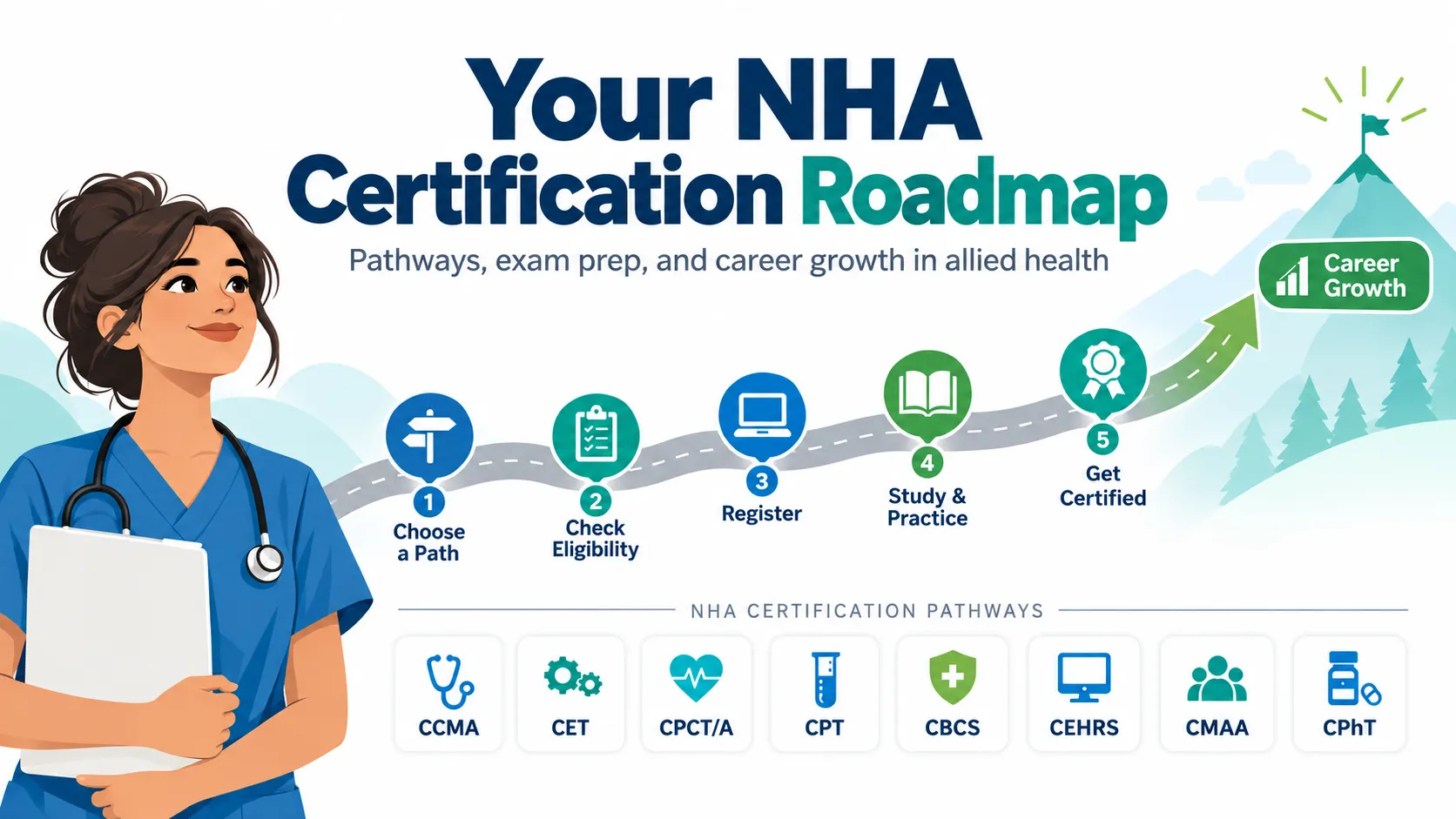
Effective preparation is paramount for success on the NHA CCMA exam. A structured and comprehensive study approach, leveraging various resources, can significantly boost confidence and readiness. Candidates benefit from a strategic roadmap to guide their study efforts, ensuring thorough coverage of all tested domains. For guidance on a strategic roadmap, you can find valuable insights on your NHA certification journey.
Deciphering the Exam Content Outline
The NHA CCMA exam content outline serves as the blueprint for your study. It details the specific domains, subtopics, and their respective weightings on the exam. Understanding this outline allows candidates to prioritize their study time, focusing on areas with higher percentages and ensuring no critical topics are overlooked. It provides a clear framework for what to expect.
Utilizing Certified Clinical Medical Assistant Study Materials
A wide array of study materials is available to support NHA CCMA exam preparation. These resources often include textbooks, online courses, flashcards, and review guides tailored to the exam’s content outline. Selecting high-quality, up-to-date materials is crucial for absorbing the necessary information and reinforcing understanding.
Engaging with NHA CCMA Practice Test Questions
Practice tests are an invaluable tool for exam preparation. They simulate the actual exam experience, allowing candidates to familiarize themselves with the question formats, time constraints, and overall testing environment. Regularly taking
comprehensive practice tests
can help identify areas of weakness, track progress, and build stamina for the real examination. It's an excellent way to apply learned knowledge and refine test-taking strategies.
Constructing a Comprehensive Study Plan
A well-organized study plan is the backbone of successful exam preparation. This plan should break down the content outline into manageable study sessions, incorporate regular review periods, and schedule practice tests. Consistency and adherence to the plan are key, ensuring that all domains are adequately covered without last-minute cramming.
Core Competencies for the Certified Clinical Medical Assistant
The NHA CCMA certification attests to a professional's proficiency across several critical domains, encompassing both theoretical knowledge and practical application. These core competencies are foundational to providing high-quality patient care and maintaining efficient clinical operations. Achieving certification demonstrates mastery of these essential skill sets.
Mastering Clinical Procedures and Patient Support
Clinical medical assistants are expected to perform a variety of procedures with accuracy and empathy. This includes everything from preparing examination rooms and assisting with minor surgeries to performing basic laboratory tests and educating patients on post-procedure care. Proficiency in these areas ensures patient comfort and safety, while also supporting the healthcare team.
Foundational Knowledge in Anatomy and Medical Language
A deep understanding of human anatomy, physiology, and medical terminology is indispensable for a CCMA. This knowledge forms the basis for understanding patient conditions, interpreting medical instructions, and communicating effectively with other healthcare professionals. It underpins all clinical activities and accurate documentation.
Proficiency in Phlebotomy and Specimen Management
Phlebotomy, the process of drawing blood, and the proper handling of various specimens are critical skills. CCMAs must be proficient in venipuncture techniques, ensuring patient safety and sample integrity. This competency extends to understanding different types of tubes, proper labeling, and adherence to transportation protocols for diagnostic testing.
Interpreting Electrocardiography Basics
Performing electrocardiograms (ECGs) requires technical skill and the ability to recognize normal versus abnormal readings. CCMAs must understand lead placement, operate ECG equipment correctly, and know how to prepare reports for review by a physician. This is vital for cardiovascular health assessment.
Adhering to Healthcare Law and Ethical Standards
A strong grasp of medical law, ethics, and regulatory compliance is crucial. CCMAs must understand patient privacy (HIPAA), informed consent, professional boundaries, and ethical decision-making. This ensures that patient rights are protected, and all actions align with legal and professional standards.
Advancing Your Path as an NHA Certified CCMA
An NHA CCMA certification is not merely an endpoint but a springboard for ongoing career development and specialization within the dynamic healthcare sector. Certified professionals are well-positioned to explore various roles and advance their responsibilities, making a more significant impact in patient care.
Exploring Diverse Healthcare Environments
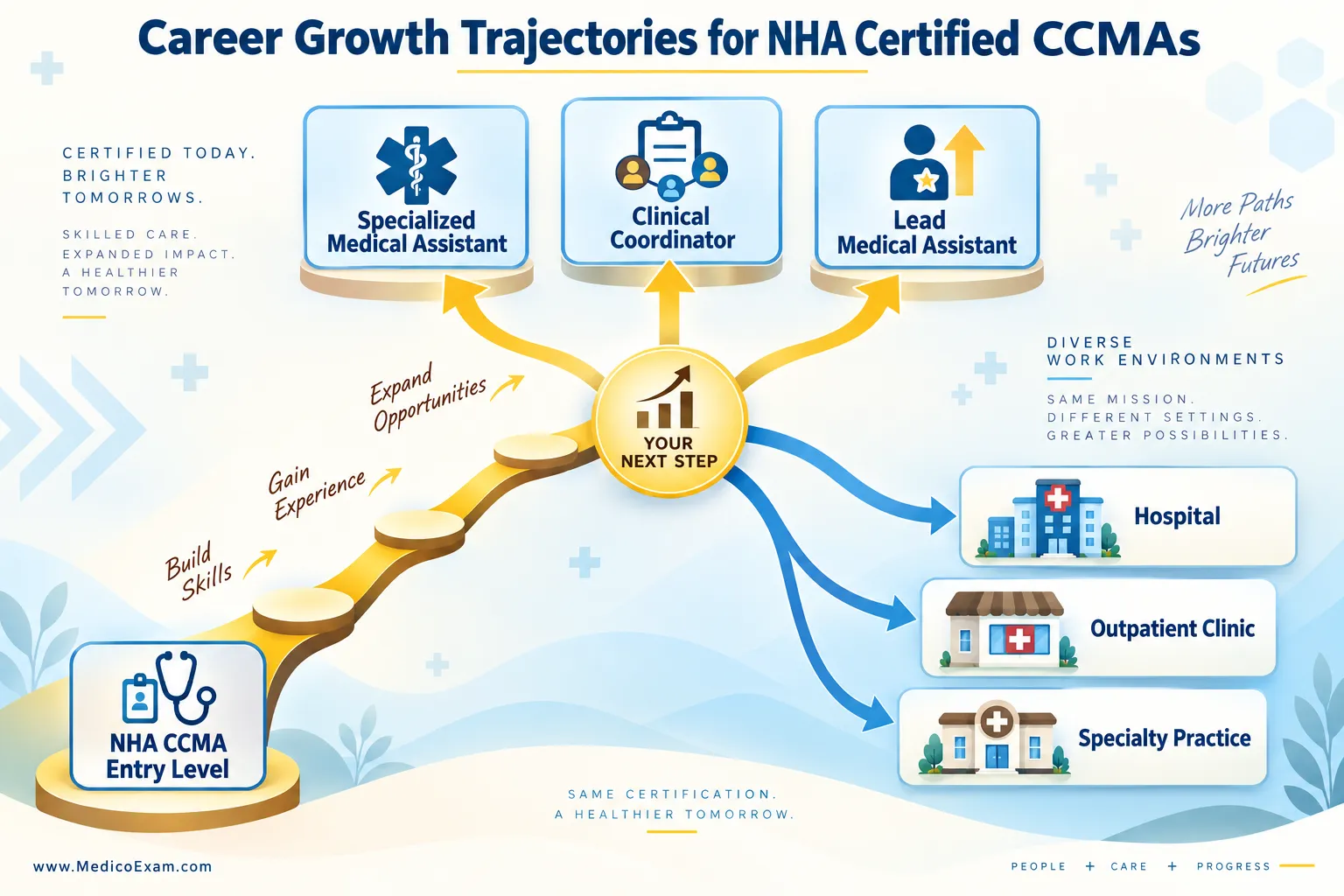
The skills validated by the NHA CCMA certification are transferable across a multitude of healthcare settings. Certified individuals can find fulfilling roles in:
- Hospitals: Working in various departments, from emergency rooms to specialty clinics.
- Physician Offices: Supporting general practitioners or specialists.
- Urgent Care Centers: Providing immediate patient support in fast-paced environments.
- Outpatient Clinics: Assisting in specialized treatments and diagnostic services.
- Long-Term Care Facilities: Offering care to residents requiring extended support.
- Community Health Centers: Serving diverse populations and promoting public health.
Pursuing Specialized Career Avenues
With experience, NHA Certified Clinical Medical Assistants can pursue specialization or move into more focused roles such as:
- Clinical Coordinator: Overseeing daily operations and patient flow in a clinical setting.
- Lead Medical Assistant: Guiding and training new medical assistants.
- Specialty Medical Assistant: Focusing on areas like pediatrics, cardiology, dermatology, or ophthalmology.
- Medical Scribe: Documenting patient encounters in real-time for physicians.
Analyzing the NHA Clinical Medical Assistant Job Outlook
The demand for qualified medical assistants, especially those with certification, is projected to grow significantly. The U.S. Bureau of Labor Statistics indicates a much faster than average growth for medical assistants, driven by the aging population and increasing prevalence of chronic diseases. The NHA CCMA credential positions professionals favorably within this expanding job market.
Sustaining Your NHA CCMA Credential
Maintaining the NHA CCMA certification is a commitment to lifelong learning and professional integrity. Certification is not a one-time achievement; it requires regular renewal to ensure that professionals remain current with evolving healthcare practices and regulatory requirements. This continuous engagement upholds the value of the credential.
Meeting Certification Renewal Criteria
NHA CCMA certification typically requires renewal every two years. This process generally involves completing a specified number of continuing education (CE) credits. These credits ensure that certified individuals stay informed about the latest medical advancements, ethical guidelines, and administrative best practices, reinforcing their competency.
Embracing Continuing Education for Advancement
Continuing education is more than just a requirement for renewal; it is an opportunity for professional growth. By engaging in relevant CE activities, CCMAs can deepen their knowledge, acquire new skills, and potentially open doors to advanced roles or specializations. It is a proactive approach to career development and maintaining a high standard of patient care.
The Unlocked Potential of NHA CCMA Skills
The NHA CCMA certification truly unlocks an individual's potential to become an invaluable asset in any healthcare team. Beyond the tangible benefits of career advancement and higher earning potential, it empowers professionals with the confidence and validated expertise to make a meaningful difference in patients' lives. The comprehensive skill set acquired through certification directly translates into improved patient outcomes, operational efficiency, and a more robust healthcare system. This credential is a testament to readiness and capability, signaling a professional who is prepared to meet the multifaceted demands of modern clinical practice and contribute positively to their organization.
In conclusion, the NHA CCMA certification is far more than a basic credential; it is a transformative stepping stone for a rewarding career in healthcare. It equips professionals with a versatile skill set, enhances their marketability, and provides a clear pathway for sustained professional growth. For those committed to making a tangible impact in patient care and clinic management, pursuing this certification is a strategic investment in their future. Embark on your journey with a clear vision of the opportunities ahead, and continue to explore more author's valuable insights to empower your professional development.
Frequently Asked Questions
1. What does NHA CCMA certification qualify you to do?
NHA CCMA certification qualifies individuals to perform a wide range of administrative and clinical duties in various healthcare settings, including taking vital signs, assisting with examinations, performing phlebotomy, managing patient records, and scheduling appointments.
2. How long is the NHA CCMA certification valid?
The NHA CCMA certification is typically valid for two years. To maintain the credential, certified professionals must complete continuing education requirements and submit a renewal application before their certification expires.
3. Is the NHA CCMA exam difficult?
The NHA CCMA exam assesses a broad range of knowledge and skills. Its difficulty is subjective and depends on an individual's preparation, study habits, and prior experience. Comprehensive study using official materials and practice tests significantly increases the chances of success.
4. What is the typical NHA Certified Clinical Medical Assistant salary range?
The NHA Certified Clinical Medical Assistant salary can vary widely based on factors such as geographic location, years of experience, employer type, and specific job responsibilities. Generally, certified professionals tend to earn a competitive wage, often higher than non-certified medical assistants.
5. What are the benefits of NHA CCMA certification for career advancement?
NHA CCMA certification offers numerous benefits for career advancement, including enhanced credibility, improved job prospects and mobility across diverse healthcare settings, higher earning potential, and opportunities for specialization or leadership roles within a clinical environment.























Sign in to leave a comment.