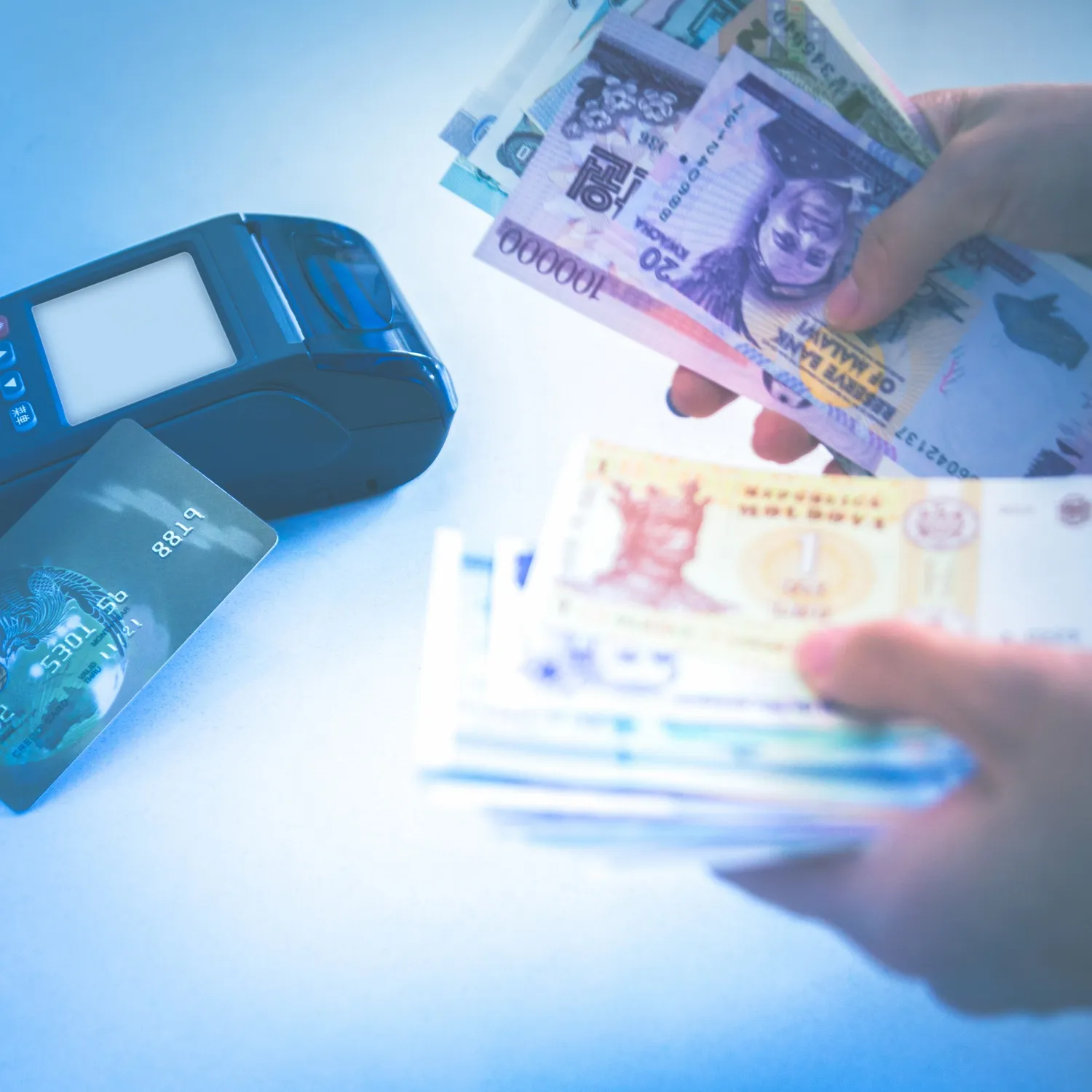

Introduction: Malaysia's Moment in the Global Marketplace
Malaysia is no longer just a regional player - it is quickly becoming a serious contender in the global e-commerce arena. With a digitally connected population, a thriving SME sector, and one of Southeast Asia's most dynamic logistics networks, Malaysian businesses are primed to sell beyond their borders like never before.
But ambition alone does not close a sale. When a customer in Germany, the UAE, or Australia lands on your product page and sees a price in Malaysian Ringgit with no familiar payment option in sight, the journey often ends there. Cart abandoned. Revenue lost. Opportunity missed.
This is the gap that multi-currency payments are closing - and for Malaysian businesses ready to grow internationally, understanding this shift is no longer optional. It is essential.
The New Reality of Online Commerce in Malaysia
Over the past few years, Malaysian online retail has undergone a quiet but profound transformation. Consumers have grown comfortable purchasing from international platforms. Naturally, international buyers have grown equally comfortable - and equally demanding - when shopping from Malaysian sellers.
By 2026, the expectations of global shoppers are clear. They want to see prices in their own currency. They want to pay using methods they recognise and trust. They want a checkout experience that feels local, even when the seller is thousands of kilometres away.
Malaysian businesses that fail to meet these expectations are not just losing convenience points - they are losing real revenue to competitors who have already solved the problem. The good news is that the tools to solve it are more accessible than ever before.
What Multi-Currency Payments Actually Mean for Your Business
Multi-currency payment capability is more than a cosmetic feature. It changes the fundamental economics of selling internationally.
When a buyer pays in their home currency, they are more likely to complete the purchase. Studies consistently show that customers abandon checkouts at significantly higher rates when they cannot identify the final price in a currency they understand. Conversion anxiety - the uncertainty of not knowing exactly what they are paying - is a real and measurable friction point.
For sellers, multi-currency support means funds can be received, held, and converted at competitive rates, reducing exposure to unfavorable exchange rate swings. It also means cleaner bookkeeping, fewer international disputes, and a more professional brand image that signals global readiness to every visitor who lands on your store.
The businesses winning in global e-commerce today are not always the largest ones. They are the most prepared ones.
Building a Mobile-Friendly Online Store That Converts Globally
Here is a detail that many Malaysian merchants overlook when planning their international expansion: most of your future international customers will discover and buy from you on their phones.
Mobile commerce now dominates online shopping across Southeast Asia, South Asia, the Middle East, and beyond. A desktop-optimized store with clunky mobile navigation is, for a growing majority of global shoppers, effectively invisible. Building a mobile-friendly online store is not a design preference in 2026 - it is a commercial necessity for any business serious about cross-border sales.
A mobile-first storefront paired with multi-currency pricing creates a compounding effect. The shopper finds your product easily on their phone. They see the price in their currency. The checkout is smooth and familiar. Trust is established before a single word of your product description has been read. That combination is what separates stores that sell internationally from those that simply ship internationally.
For Malaysian businesses setting up or revamping their digital storefronts, the checklist is clear: fast load times, intuitive navigation on small screens, localized currency display, and a streamlined checkout that does not ask the customer to do mental arithmetic before clicking "Buy Now."
Navigating Cross-Border Online Payments: The Challenges Malaysian Businesses Face
International selling sounds straightforward in theory. In practice, cross-border online payments introduce a layer of complexity that catches many businesses off guard.
Payment method preferences vary enormously by region. A buyer in Europe might default to bank transfers or local card schemes. A shopper in the Middle East may prefer a buy-now-pay-later option or a specific regional wallet. Customers across parts of Southeast Asia often rely on mobile banking apps that are completely unfamiliar to Malaysian payment processors working with default configurations.
Then there are the compliance dimensions. Different countries carry different requirements around transaction data, tax collection, and consumer protection disclosures. A payment solution that works perfectly for domestic transactions may fail - silently or visibly - when processing an order from abroad.
Currency conversion fees, settlement timelines, and chargeback policies all behave differently in cross-border contexts. Businesses that discover these realities mid-transaction, rather than before launch, often face disrupted cash flows and frustrated customers.
The merchants who scale internationally without major hiccups tend to share one trait: they chose a payment partner that was built with cross-border complexity in mind, not one that bolted on international features as an afterthought.
Malaysia's Fintech Infrastructure Is Ready - Are You?
The infrastructure supporting cross-border commerce from Malaysia has grown substantially stronger. Bank Negara Malaysia's ongoing liberalisation of foreign exchange policies has made it easier for businesses to receive and manage international revenue. Payment service providers licensed under the relevant regulatory frameworks now offer multi-currency settlement accounts, real-time FX conversion, and region-specific payment method support.
DuitNow, Malaysia's national real-time payment rail, has also taken steps toward regional interoperability, linking with systems in Thailand, Singapore, and Indonesia. For buyers and sellers operating within ASEAN, this growing network means faster, cheaper, and more reliable payment corridors that were not available just a few years ago.
The regulatory environment, while still evolving, broadly supports the growth of international digital commerce. Businesses that take time to understand the compliance landscape - or work with partners who do - will find fewer obstacles than they might expect.
Malaysia, in short, is genuinely open for international business. The infrastructure is in place. The consumer appetite is real. The opportunity is significant.
Practical Steps for Malaysian Businesses Ready to Go Global
If you are a Malaysian merchant eyeing international growth, here is where to begin. First, audit your current payment setup honestly. Can international customers pay in their currency? Are you accepting the payment methods most common in your target markets? Is your checkout experience genuinely smooth on a mobile device?
Second, think about your pricing strategy. Multi-currency display without multi-currency pricing strategy is an incomplete solution. Consider how exchange rate fluctuations affect your margins and whether your payment provider offers tools to manage that exposure.
Third, invest in localisation beyond currency. Language, imagery, and customer support availability all contribute to whether an international shopper feels confident enough to complete a purchase from a Malaysian seller they have never heard of before.
Finally, choose a payment partner that treats international transactions as a core capability, not a feature they are still figuring out.
Conclusion
Malaysia's e-commerce potential extends far beyond its own borders, and multi-currency payments are one of the most direct levers businesses can pull to access that potential. Removing currency friction, building for mobile-first global shoppers, and navigating the realities of cross-border commerce are not small tasks - but they are entirely achievable with the right tools and the right mindset.
Hitapy supports Malaysian businesses in building payment experiences that work for customers wherever they are in the world - with multi-currency capabilities, mobile-optimised checkout flows, and the cross-border infrastructure that modern commerce demands.
The global marketplace is not waiting. The question is simply whether your store is ready to meet it.
Q1. What is multi-currency payment and how does it work for Malaysian businesses?
Multi-currency payment allows your online store to accept and display prices in different currencies — such as USD, GBP, AED, or SGD — so international customers can pay in their own currency. When a buyer checks out, the amount is automatically converted based on the current exchange rate, and you receive the funds in your preferred currency through your payment provider.
Q2. Do I need a special business account to accept multi-currency payments in Malaysia?
Not always. Many modern payment platforms allow Malaysian businesses to accept international currencies without opening a separate foreign currency account. However, if you plan to hold or manage large volumes of foreign currency, a multi-currency business account with a licensed bank or payment service provider is recommended for better rate control and easier reconciliation.
Q3. Are cross-border online payments safe for Malaysian merchants?
Yes, when processed through a licensed and regulated payment provider. Look for platforms that comply with Bank Negara Malaysia guidelines, use SSL encryption, support 3D Secure authentication, and have clear chargeback and fraud protection policies. Reputable providers also monitor transactions in real time to flag suspicious activity before it becomes a problem.
Q4. What currencies should my Malaysian online store support first?
Start with the currencies most relevant to your target markets. For most Malaysian businesses, the priority list looks like this - USD for global reach, SGD for the Singapore market, AED for Middle East buyers, GBP and EUR for European customers, and AUD for Australia. Your analytics data on where your current website visitors come from is the best guide for prioritizing.
Q5. Will accepting multi-currency payments affect my pricing and profit margins?
It can, if not managed carefully. Exchange rate fluctuations mean the ringgit value of an international sale can vary day to day. To protect your margins, choose a payment provider that offers competitive FX conversion rates, consider building a small buffer into your international pricing, and review your currency pricing periodically - especially for markets where the exchange rate shifts frequently










Sign in to leave a comment.