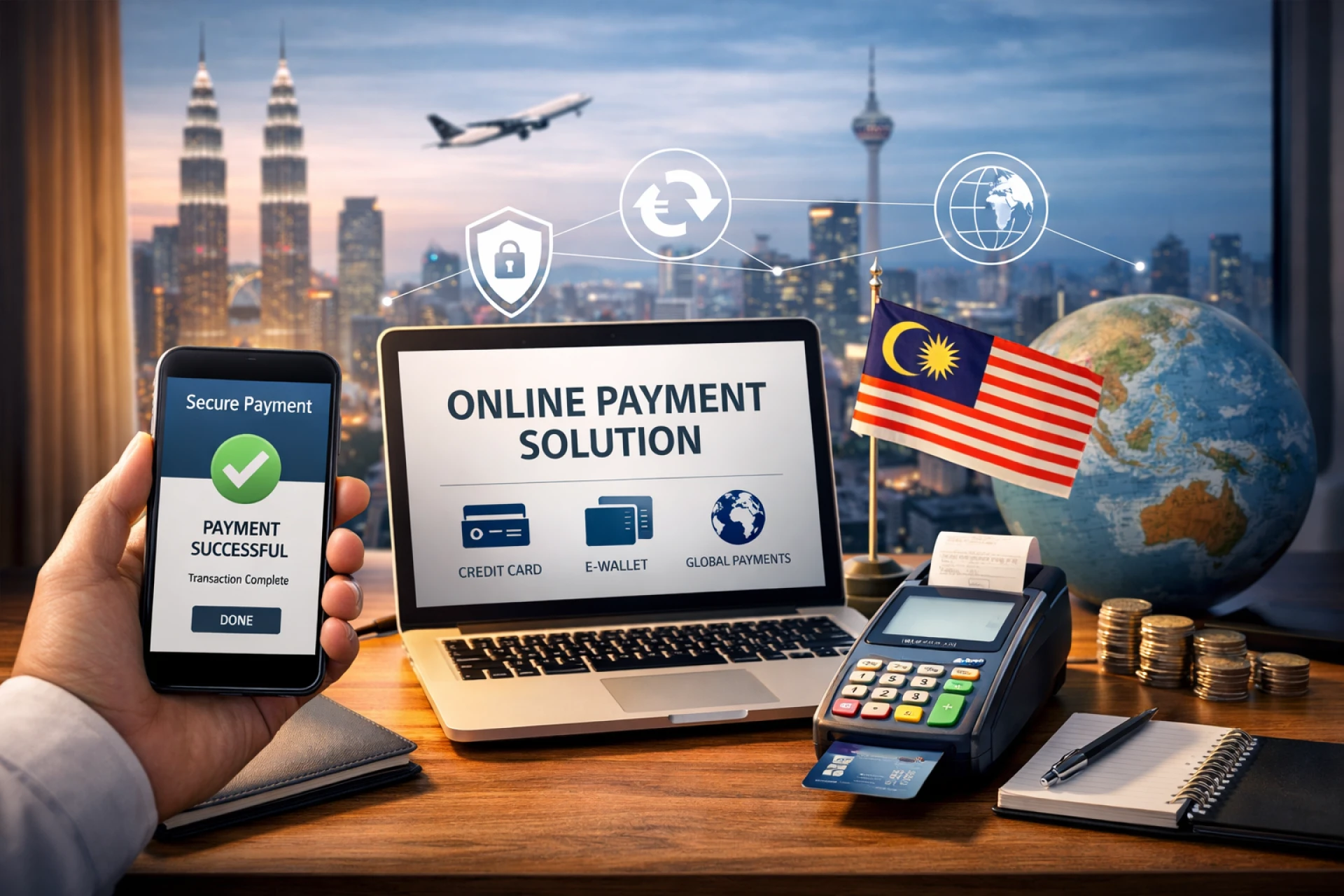

Digital payments have become a core part of doing business in Malaysia. From small online sellers to growing SMEs and regional enterprises, accepting payments online is no longer optional. Customers expect speed, convenience, and security at checkout, while businesses need systems that are reliable and scalable. Choosing the right payment setup can directly impact sales, customer trust, and long-term growth.
For companies evaluating online payment for business Malaysia, several practical and strategic factors should be considered before committing to a solution.
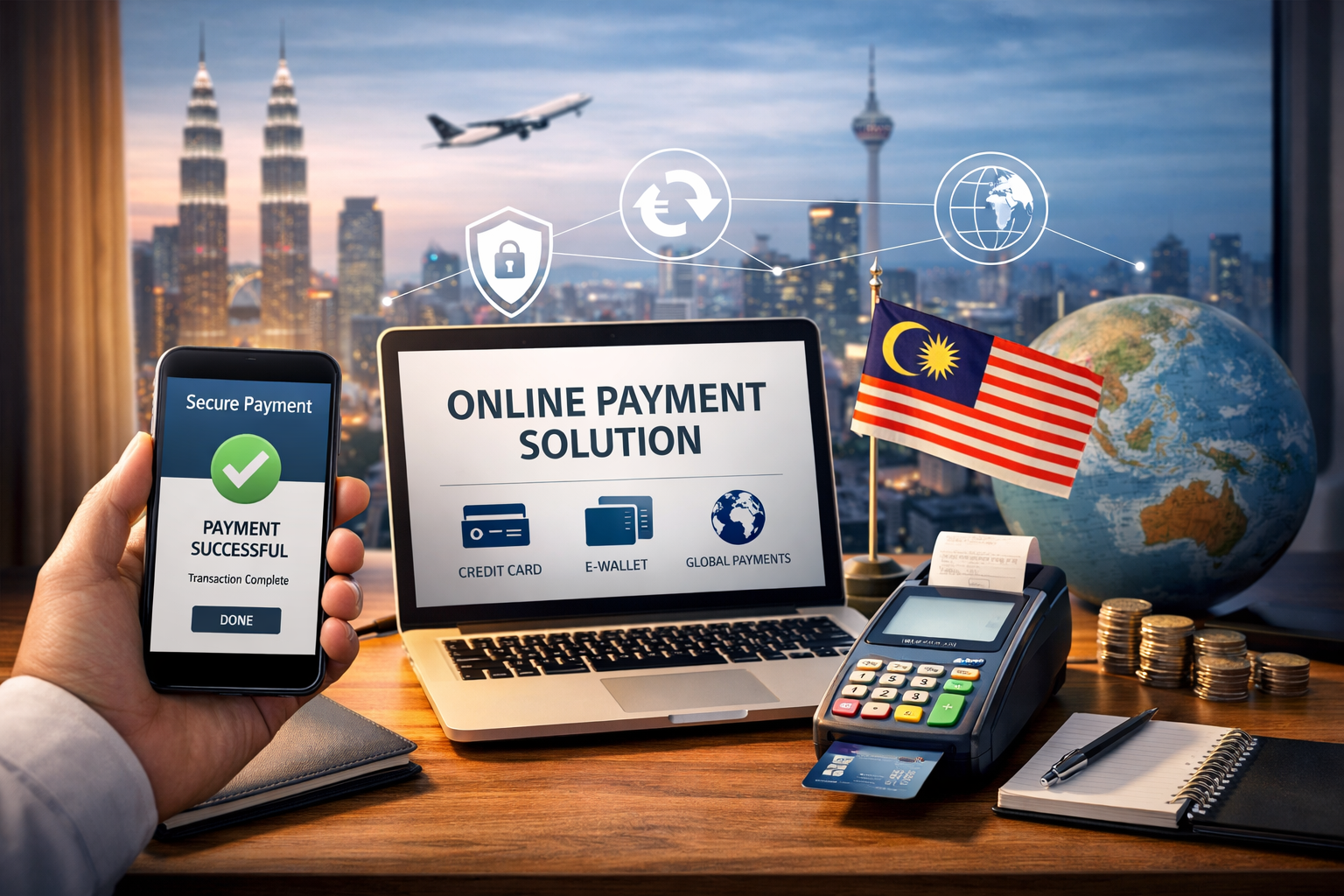
Understanding Business Needs and Payment Use Cases
Every business operates differently. An online retailer may prioritise fast checkout and card acceptance, while a service-based business may need invoicing and recurring payments. Some companies sell only within Malaysia, while others accept customers from overseas markets.
Before selecting a provider, Malaysian businesses should clearly define their payment needs. This includes transaction volumes, average order value, supported payment methods, and whether payments are received online, offline, or both. A payment solution that aligns with actual usage will reduce friction and operational issues later.
Security and Compliance Should Be a Priority
Payment security is one of the most critical considerations. Customers trust businesses with sensitive financial information, and any breach can damage reputation and credibility. A secure payment gateway protects card details, prevents fraud, and ensures transactions are processed safely.
Businesses should look for solutions that comply with recognised security standards such as PCI DSS. Features like tokenisation, encryption, and fraud monitoring tools help reduce risk. In Malaysia’s increasingly digital economy, strong security is not just a technical requirement but a business necessity.
Supporting Local and Preferred Payment Methods
Malaysian consumers use a mix of payment methods, including cards, online banking, and digital wallets. A good payment solution should support popular local options to avoid abandoned checkouts.
When customers see familiar payment methods, they are more likely to complete transactions. Businesses should ensure their payment system can adapt as consumer preferences evolve, especially as cashless adoption continues to grow across the country.
Ability to Handle International Transactions
Many Malaysian businesses now sell beyond domestic borders, especially in Southeast Asia and the wider Asia Pacific region. The ability to accept international payments APAC is essential for companies looking to scale regionally.
Payment solutions that support multi-currency transactions, foreign cards, and cross-border settlements help businesses expand without adding complexity. Transparent exchange rates and clear settlement timelines also make financial planning easier for growing companies.
Integration With Existing Business Systems
A payment system should fit smoothly into existing operations. Whether a business uses an ecommerce platform, accounting software, or inventory management tools, integration reduces manual work and errors.
Businesses should consider how easily a payment solution connects with their current setup. Simple APIs, plugins, and dashboards allow teams to manage payments, refunds, and reports more efficiently, freeing up time to focus on growth.
Transparent Pricing and Fee Structure
Payment processing costs can add up over time. Malaysian businesses should carefully review transaction fees, settlement charges, and any hidden costs. Transparent pricing helps avoid surprises and supports better cash flow management.
While lower fees may seem attractive, reliability and service quality are equally important. A stable system with clear pricing often delivers better long-term value than a cheaper option with limited support.
Settlement Speed and Cash Flow Impact
How quickly funds are settled into a business bank account affects day-to-day operations. Faster settlement cycles improve cash flow and reduce reliance on short-term financing.
Businesses should ask about settlement timelines, especially during weekends and public holidays. A payment solution that offers predictable and timely payouts helps maintain financial stability.
Customer Experience at Checkout
The checkout experience plays a major role in conversion rates. Slow loading times, complicated steps, or failed transactions can cause customers to abandon their purchase.
A well-designed payment flow should be simple, mobile-friendly, and intuitive. Businesses investing in online payment for business Malaysia should prioritise solutions that enhance, rather than hinder, the customer journey.
Scalability for Future Growth
What works for a small business today may not support growth tomorrow. As transaction volumes increase and operations expand, payment needs change.
Choosing a scalable payment solution ensures that businesses can add new payment methods, handle higher volumes, and enter new markets without switching systems. This reduces disruption and supports long-term planning.
Reliable Support and Local Expertise
When payment issues occur, timely support matters. Businesses should consider whether a provider offers responsive customer service and understands the local market.
Local expertise can be valuable when dealing with regulatory requirements, banking processes, and regional payment preferences. Reliable support builds confidence and reduces downtime.
Making the Right Choice
Selecting the right payment solution is a strategic decision that affects sales, security, and customer trust. By focusing on security, flexibility, integration, and scalability, Malaysian businesses can build a payment foundation that supports both current operations and future growth.
As digital commerce continues to expand, choosing a dependable and secure payment system will remain a key factor in staying competitive in Malaysia’s evolving business landscape.
Frequently Asked Questions (FAQs)
1. What online payment methods are popular for businesses in Malaysia?
Malaysian businesses commonly accept credit/debit cards, online banking (FPX), e-wallets like Touch ’n Go and GrabPay, and QR payments. These options cover both local and international customers.
2. Is it legal for small businesses to accept online payments in Malaysia?
Yes. Small businesses, startups, and sole proprietors can legally accept online payments as long as they are registered and comply with local regulations such as bank verification and basic KYC requirements.
3. How secure are online payment systems for Malaysian businesses?
Most online payment systems use encryption, fraud detection, and secure authentication to protect transactions. Businesses should also follow best practices like using strong passwords and monitoring transactions regularly.
4. Can Malaysian businesses accept payments from overseas customers?
Yes. Many payment solutions support multi-currency and international cards, allowing Malaysian businesses to sell products or services to customers outside Malaysia.
5. How fast do businesses receive their online payment settlements?
Settlement times vary by provider, but most businesses receive funds within 1–3 working days. Some platforms offer faster or same-day settlements depending on the payment method used.



























Sign in to leave a comment.