

The growth of digital commerce has transformed the way businesses operate across Southeast Asia, and Malaysia is no exception. With increasing internet penetration, smartphone usage, and consumer trust in online shopping, the demand for efficient and secure e-commerce payment solutions in Malaysia has grown significantly. For businesses aiming to succeed in this evolving landscape, understanding how online payment systems work - and how to choose the right one - is essential.
This guide explores the e-commerce payment ecosystem in Malaysia, key payment methods, regulatory considerations, and what businesses should look for when selecting a payment solution.
The Rise of E-Commerce in Malaysia
Malaysia’s e-commerce market has experienced steady growth over the past decade. Consumers are now more comfortable making purchases online, whether for retail goods, services, or subscriptions. This shift has been supported by improved logistics, government initiatives, and a growing fintech ecosystem.
As a result, having a reliable e-commerce payment system is no longer optional - it is a core requirement for any business operating online.
What Is an E-Commerce Payment System?
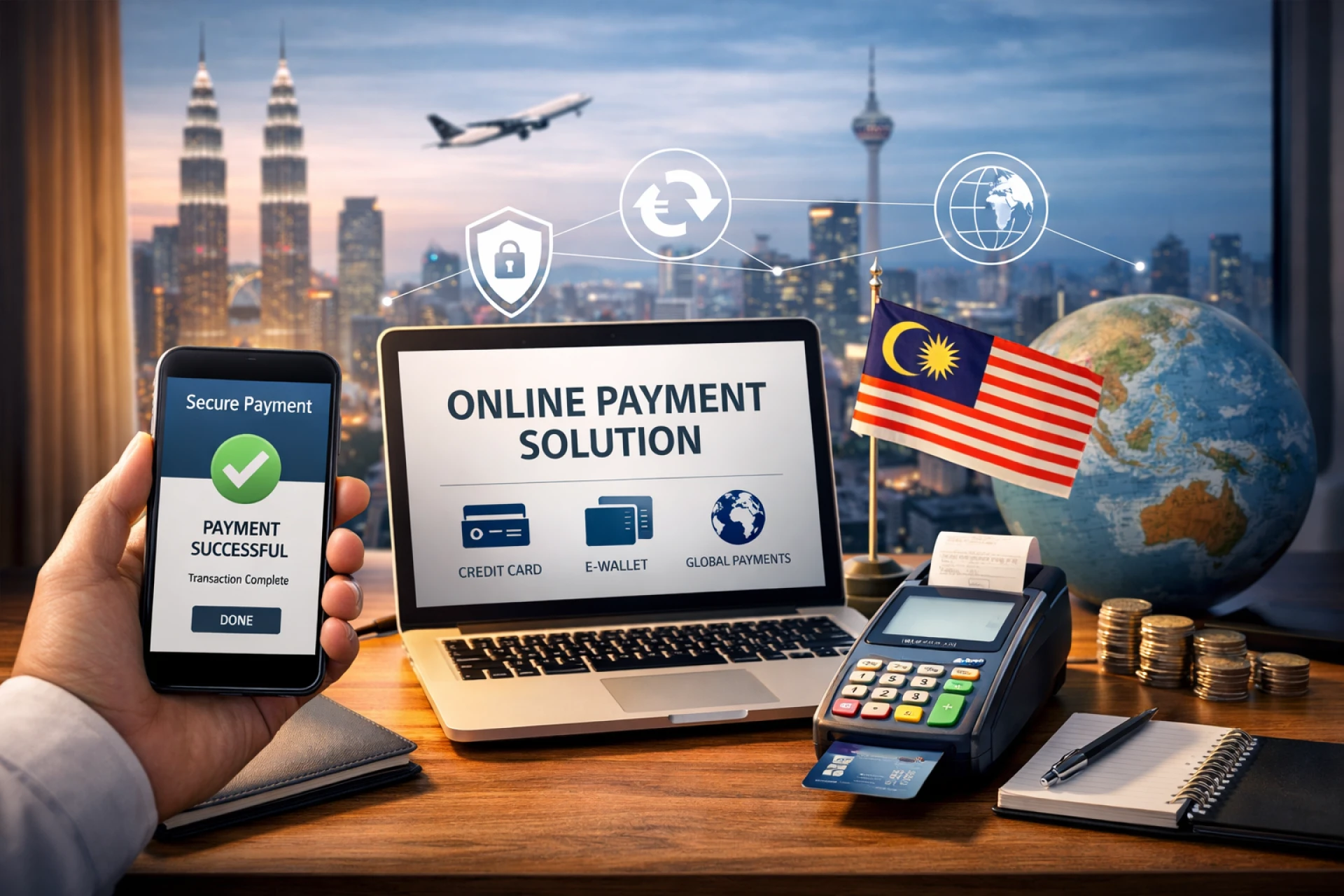
An e-commerce payment system enables businesses to accept payments online through various digital methods. It acts as a bridge between the customer, the merchant, and the financial institutions involved in processing the transaction.
A typical payment process includes:
- The customer selects a product or service
- Choose a payment method at checkout
- The payment gateway securely processes the transaction
Funds are transferred to the merchant account
The goal is to make this process fast, secure, and seamless to improve the customer experience and reduce cart abandonment.
Popular E-Commerce Payment Methods in Malaysia
To succeed in the Malaysian market, businesses must support a variety of payment methods that cater to local preferences. Some of the most widely used options include:
1. Online Banking (FPX)
Financial Process Exchange (FPX) is one of the most popular payment methods in Malaysia. It allows customers to pay directly from their bank accounts using online banking credentials.
This method is trusted, widely accessible, and often preferred for its simplicity.
2. Credit and Debit Cards
Visa and Mastercard remain common choices for online payments. While adoption is growing, some Malaysian consumers still prefer alternatives due to security concerns or lack of card access.
3. E-Wallets
Digital wallets such as GrabPay, Touch 'n Go eWallet, and Boost are increasingly popular, especially among younger consumers. They offer convenience, quick checkout, and promotional incentives.
4. Buy Now, Pay Later (BNPL)
BNPL services are gaining traction, allowing customers to split payments into installments. This option can improve conversion rates, particularly for higher-value purchases.
5. QR Code Payments
QR-based payments are widely used in Malaysia, especially for mobile transactions. They offer a quick and contactless payment experience.
Key Features of a Reliable Payment Solution
When selecting an e-commerce payment provider in Malaysia, businesses should focus on several critical features:
Security and Compliance
Payment systems must comply with industry standards such as PCI-DSS to ensure secure handling of sensitive financial data. Fraud detection and encryption are also essential components.
Multi-Payment Support
A good payment solution should support multiple payment methods, including FPX, cards, and e-wallets, to cater to diverse customer preferences.
Seamless Integration
Integration with e-commerce platforms like Shopify, WooCommerce, or custom-built websites should be straightforward. APIs and plugins can simplify the setup process.
Fast Settlement
Timely transfer of funds is crucial for cash flow management. Businesses should consider providers that offer quick and transparent settlement cycles.
User Experience
A smooth and intuitive checkout process can significantly impact conversion rates. Complicated or slow payment pages often lead to abandoned carts.
Regulatory Environment in Malaysia
Malaysia has a well-regulated financial ecosystem governed by Bank Negara Malaysia (BNM). Payment service providers must comply with strict guidelines to operate legally.
Businesses should ensure that their chosen payment partner is licensed and adheres to local regulations. This not only ensures compliance but also builds trust with customers.
Role of Payment Gateways in E-Commerce
A payment gateway is the technology that captures and transfers payment data from the customer to the acquiring bank. It acts as a secure intermediary, ensuring that transactions are processed efficiently.
Modern payment gateways offer features such as:
- Real-time transaction processing
- Fraud prevention tools
- Multi-currency support
- Detailed reporting and analytics
These capabilities help businesses manage their online payments more effectively.
Exploring Payment Platforms Like HitPay
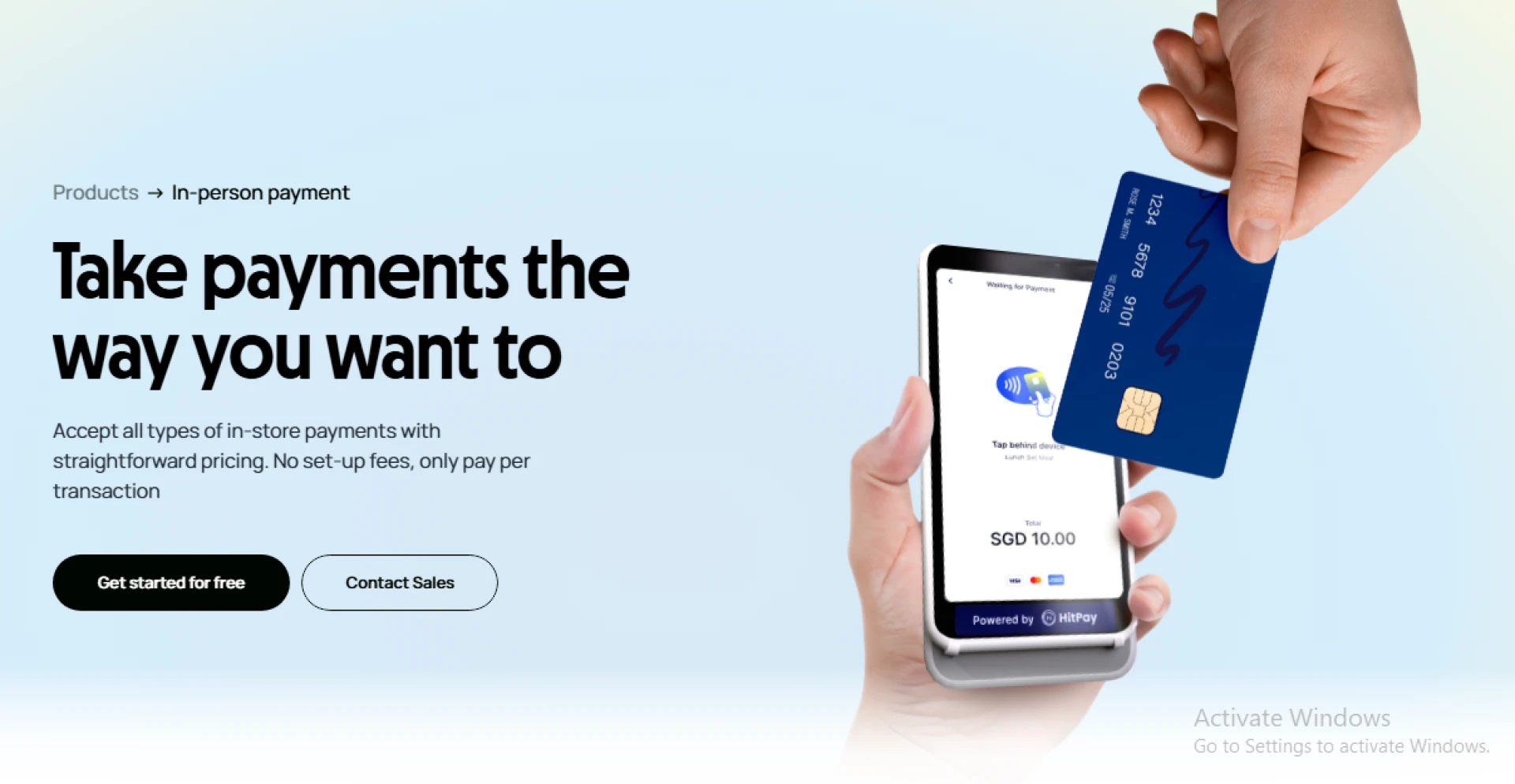
In the Malaysian e-commerce ecosystem, several payment platforms are available to businesses, each offering different features and pricing structures. One such platform is HitPay, which provides payment solutions tailored for small and medium-sized businesses.
While not the only option in the market, platforms like HitPay typically focus on simplifying payment acceptance by supporting multiple payment methods, offering easy integration, and providing tools for invoicing and subscription management.
Businesses evaluating payment providers should compare various platforms based on their specific needs, including transaction fees, supported payment methods, and ease of use.
Challenges in E-Commerce Payments
Despite advancements, businesses in Malaysia may face certain challenges when managing online payments:
Payment Failures
Technical issues or banking disruptions can lead to failed transactions, affecting customer experience.
Fraud and Security Risks
Cyber threats remain a concern, making it essential to invest in secure payment systems.
Limited Payment Options
Offering only a few payment methods can restrict customer reach and reduce conversions.
Currency and Cross-Border Issues
For businesses targeting international customers, handling multiple currencies and compliance requirements can be complex.
Best Practices for Optimizing E-Commerce Payments
To maximize success in Malaysia’s e-commerce market, businesses should follow these best practices:
Offer Multiple Payment Methods
Providing a wide range of payment options ensures that customers can choose their preferred method.
Optimize Checkout Experience
Keep the checkout process simple, fast, and mobile-friendly to reduce drop-offs.
Ensure Transparency
Clearly display pricing, taxes, and shipping costs to avoid confusion during checkout.
Monitor Payment Analytics
Use reporting tools to track transaction performance, identify issues, and improve processes.
Focus on Mobile Payments
With a high percentage of users shopping via mobile devices, optimizing for mobile payments is crucial.
Future Trends in E-Commerce Payments in Malaysia
The e-commerce payment landscape in Malaysia continues to evolve, driven by technology and consumer behavior. Some emerging trends include:
- Increased adoption of digital wallets
- Growth of contactless and QR payments
- Expansion of BNPL services
- Integration of AI for fraud detection
- Rise of embedded finance solutions
Businesses that stay ahead of these trends will be better positioned to compete in the market.
Conclusion
E-commerce payment in Malaysia is a dynamic and rapidly evolving space. As online shopping continues to grow, businesses must prioritize secure, flexible, and user-friendly payment solutions to meet customer expectations.
By understanding local payment preferences, choosing the right payment gateway, and optimizing the checkout experience, businesses can improve conversions and build long-term customer trust.
While platforms like HitPay offer useful capabilities within this ecosystem, the key lies in selecting a solution that aligns with your business goals and customer needs.
A well-implemented payment strategy is not just about processing transactions—it’s about creating a seamless and trustworthy experience that drives growth in Malaysia’s competitive e-commerce market.






















Sign in to leave a comment.