

When you choose a degree in biotechnology, pharmacy, nursing, or life sciences, you do it with a desire to impact human lives. But a few years into the field, a stark reality often sets in.
If you are a clinical graduate, you might find yourself facing long hospital night shifts, low initial compensation packages, or the physical exhaustion of active practice. Conversely, if you are a technology or commerce graduate, you might find yourself uninspired by the prospect of writing repetitive blocks of backend code or managing databases for generic software platforms.

What if you could combine both domains? What if you could step straight into a fast-paced, high-paying corporate workspace that reshapes how entire hospital systems operate—without needing to treat a patient or write a single line of software code?
This is exactly where specializing in a health information management course changes your career trajectory.
The Missing Piece in India's Modern Healthcare Network
To understand this domain, strip away the dense academic jargon. Picture a massive, multi-specialty healthcare network operating right here in Bangalore. On any given morning, hundreds of operations occur simultaneously: physicians issue critical electronic prescriptions, labs process urgent diagnostic reports, insurance providers cross-verify billing claims, and ICU machinery continuously monitors patient vitals.
Historically, these departments operated like completely isolated islands. Paper charts went missing, critical patient histories were misplaced during transfers, and miscommunicated data points impacted medical outcomes.
Health Information Technology Management is the digital nervous system that seamlessly links these departments together. It is not about assembling computer hardware or fixing network bugs; it is about strategic infrastructure workflow, digital asset implementation, and data-driven management. It ensures that critical medical data reaches the desk of the right specialist at the exact second a life-saving decision must be made.
With nationwide digital developments driving the ecosystem forward, hospitals are no longer just brick-and-mortar facilities—they have evolved into highly complex data enterprises. This shift has triggered an unprecedented surge in the demand for specialized healthcare management courses in India.
The Non-Coding Career Pivot: Why You Don't Need an Engineering Degree
There is a widespread, persistent myth that building a career in a technology-driven sector requires being a software developer or a programming expert. In the healthcare industry, that is far from the truth. The medical ecosystem does not just need pure programmers; it desperately requires strategic translators.
A pure software engineer knows how to write lines of code, but they do not understand the difference between an emergency room workflow and an outpatient clinic setup. On the other side, an active nurse or therapist understands clinical care perfectly but may lack an understanding of cloud security, data compliance, or interoperability.
By pursuing specialized health information technology courses, you step directly into that vital managerial space. Your responsibilities are entirely executive and strategic:
- Leading the smooth implementation of advanced Electronic Health Records (EHR) frameworks.
- Evaluating and optimizing data workflows to minimize patient discharge waiting times.
- Managing data compliance and patient privacy protocols across hospital apps.
- Working alongside executive boards to deploy predictive AI-driven operational tools.
You secure the rapid upward mobility, prestige, and corporate compensation structure typical of the IT sector, paired with the long-term stability and purpose of the healthcare world.
The Corporate Landscape: Where Do Graduates Work?
Opting for a management path over a traditional clinical or basic laboratory route opens doors to a remarkably diverse corporate map. You are not confined to a back-office administration desk. Instead, qualified professionals actively step into executive roles within:
- Global Technology & Management Consultancies: Multinational firms like Accenture, Deloitte, and Cognizant consistently hire specialists to advise international healthcare systems on corporate digital upgrades.
- Healthcare Technology Enterprises: Global leaders like Philips Healthcare, Siemens Healthineers, and Cerner actively recruit management graduates to lead product deployment and handle enterprise client relationships.
- Major Super-Specialty Hospital Networks: Corporate hospital groups like Manipal, Apollo, and Fortis require dedicated professionals to oversee complex, interconnected Hospital Management Information Systems (HMIS).
High-Growth HealthTech Scale-ups: India’s thriving digital health startup ecosystem—spanning across remote telemedicine to automated diagnostics—relies heavily on skilled managers to structure their data ecosystems.
Graduates regularly secure high-impact roles such as Healthcare Data Consultant, Digital Health Analyst, IT Project Manager, Health System Specialist, and Clinical Workflow Consultant.
The Bangalore Advantage: Your Network is Your Net Worth
When building a career positioned at the intersection of operational technology and healthcare, your geographical location plays a massive role in your ultimate placement outcomes. Choosing a specialized hospital administration course in bangalore offers an unmatched professional edge.
As the central technology capital of India, Bangalore functions as the direct headquarters for leading multinational IT entities, innovative biomedical labs, and premier medical tourism destinations. This unique geographical convergence allows you to transition seamlessly out of the lecture hall and straight into corporate boardrooms through industry-led field residencies, live corporate projects, and highly valuable networking opportunities.
Shape Your Corporate Future with IIHMR Bangalore
Transitioning from a purely clinical background, a basic science degree, or a generic bachelor's program into a high-level healthcare corporate office requires a structured, industry-recognized approach.
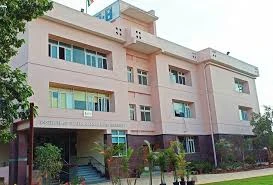
At IIHMR Bangalore, our Post Graduate Diploma in Management (PGDM) featuring a specialized track in Health Information Technology Management is built explicitly to bridge this industry gap. We do not expect you to arrive with a background in advanced computer science. Our curriculum is tailored to guide you step-by-step from foundational management methodologies all the way to complex digital health systems, analytics, and hospital enterprise leadership.
Backed by a legacy of excellence and a strong corporate alumni network embedded across top-tier global consultancies and health networks, we deliver the precise executive training, practical industry exposure, and placement support needed to transform your professional path.
Ready to move beyond repetitive traditional roles and step into executive healthcare leadership?
Discover how our specialized curriculum maps out your future. Explore our detailed admission process and key application timelines, or get in touch with our academic advisory team at IIHMR Bangalore to plan your professional transition today.



























Sign in to leave a comment.