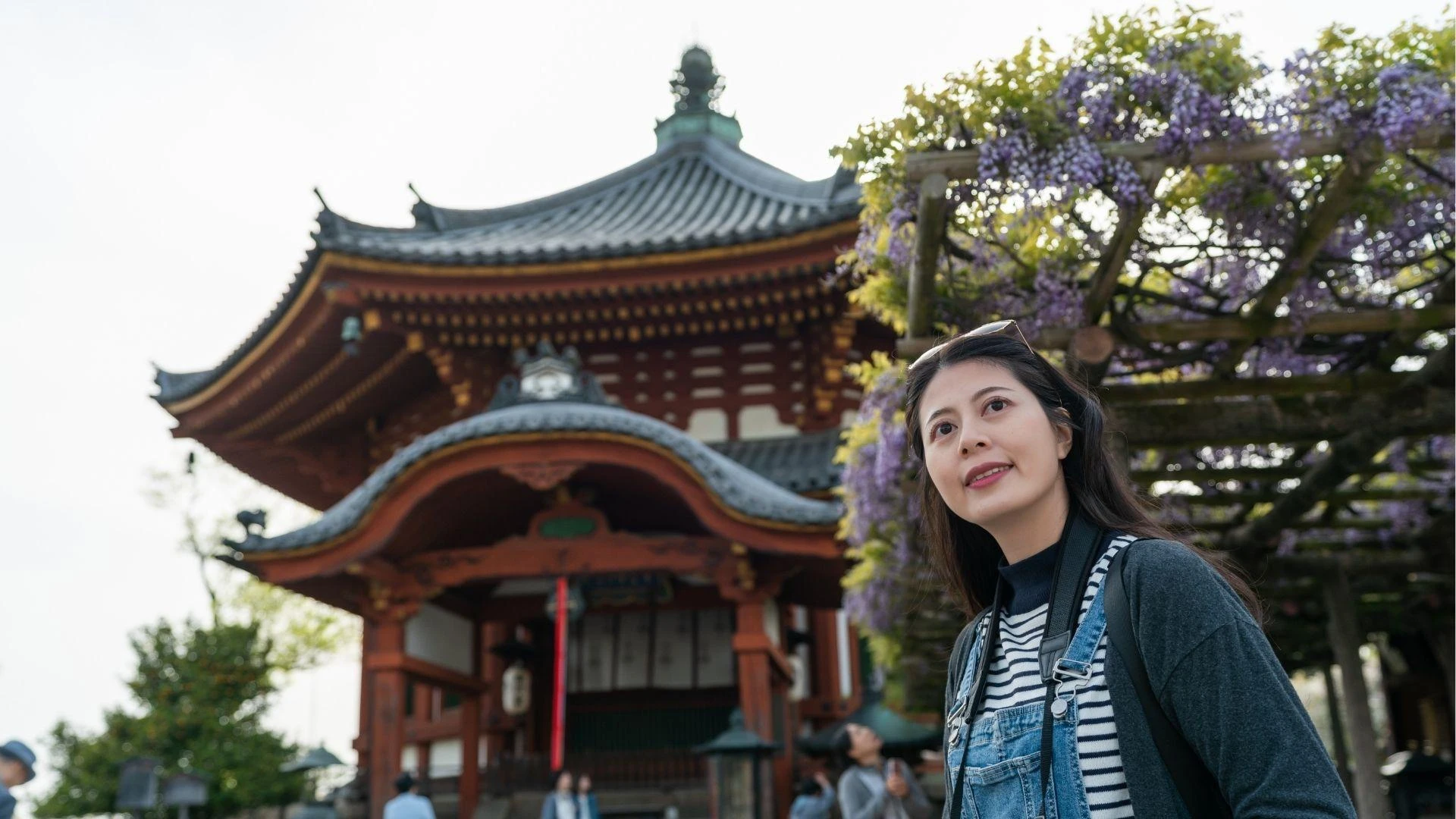

For many travelers, Japan begins and ends with Tokyo’s neon streets and Kyoto’s timeless temples. While these cities are undeniably iconic, Japan’s true depth often reveals itself far from the usual routes. Across the country, smaller cities, rural regions, and lesser-known prefectures offer experiences that feel more personal, more relaxed, and often more meaningful. As travel trends shift toward authenticity and slower exploration, Japan’s quieter side is becoming the reason many visitors fall in love with the country all over again.
Why Travelers Are Looking Beyond the Big Cities
Japan’s major cities are efficient, exciting, and endlessly fascinating, but they can also feel overwhelming, especially during peak seasons. Crowded trains, fully booked accommodations, and long queues at famous attractions are now common experiences. In contrast, smaller destinations allow travelers to experience Japan at a gentler pace. Daily life feels more visible, conversations feel more genuine, and traditions feel less curated for tourists.
These regions also offer better value. Accommodation is often more affordable, meals are just as high in quality, and attractions rarely require reservations. For travelers seeking connection rather than checklists, Japan’s regional destinations provide a refreshing alternative.
Kanazawa: Tradition Without the Crowds
Often described as “Kyoto without the congestion,” Kanazawa preserves Japan’s classical elegance while remaining relatively calm. The city is home to Kenrokuen, one of Japan’s most celebrated gardens, where seasonal beauty unfolds quietly without heavy crowds. Nearby, the Nagamachi Samurai District and Higashi Chaya teahouse area offer glimpses into Edo-period life.
Kanazawa is also known for its culinary scene. Fresh seafood from the Sea of Japan, traditional sweets, and carefully prepared kaiseki meals make dining here a cultural experience in itself. The city balances heritage and comfort, making it ideal for travelers who appreciate history without the pressure of constant sightseeing.
Takayama: Mountain Life and Old-World Charm
Nestled in the Japanese Alps, Takayama feels like a step back in time. It's preserved old town features wooden houses, sake breweries, and quiet streets that invite slow exploration. Morning markets along the river offer local produce and handmade goods, creating a daily rhythm rooted in tradition.
Takayama also serves as a gateway to rural Japan. Nearby villages, mountain trails, and hot spring towns provide opportunities to explore landscapes that contrast sharply with Japan’s urban image. In winter, snowfall transforms the region into a serene retreat, while spring and autumn bring festivals and vibrant colors.
Shikoku: Japan’s Spiritual and Natural Heart
Shikoku, Japan’s smallest main island, remains largely overlooked by international travelers. Yet it offers some of the country’s most rewarding experiences. The island is famous for the 88-temple pilgrimage, a spiritual journey that circles the island and reflects centuries-old Buddhist traditions.
Beyond temples, Shikoku is defined by dramatic coastlines, forested mountains, and slow-moving rivers. Cities like Matsuyama and Tokushima offer historic castles, traditional baths, and local festivals that feel deeply rooted in community life. Traveling through Shikoku feels immersive, allowing visitors to observe Japan beyond its polished exterior.
Food, Hospitality, and Everyday Encounters
One of the most memorable aspects of exploring regional Japan is food. Local specialties vary dramatically by region, from hearty mountain dishes to delicate coastal seafood. Meals are often prepared with ingredients sourced nearby, reinforcing a sense of place.
Hospitality also takes on a more personal tone outside major cities. Family-run inns, small guesthouses, and neighborhood restaurants welcome travelers with warmth rather than formality. These interactions, whether brief or extended, often become the highlights of a journey.
Traveling Japan in a More Intentional Way
Exploring lesser-known destinations requires a slightly different mindset. Train schedules may be less frequent, English signage may be limited, and flexibility becomes essential. However, these challenges often lead to deeper engagement rather than frustration.
Staying connected while exploring Japan makes travel smoother and more flexible, especially when moving between fast-paced cities and quieter countryside regions. From navigating train systems and translating menus to booking last-minute tickets or sharing experiences in real time, reliable internet access is essential. Using an eSIM for Japan by Voye Global allows travelers to stay online instantly without the hassle of physical SIM cards, ensuring seamless connectivity from arrival to departure.
The Future of Travel in Japan
As Japan continues to encourage regional tourism, travelers have more opportunities than ever to experience the country beyond its famous landmarks. These quieter destinations are not replacing Tokyo or Kyoto. Instead, they are redefining what a complete Japan journey looks like.
By venturing beyond the usual stops, travelers discover a Japan that feels slower, more intimate, and deeply human. It is in these moments, shared over simple meals, quiet walks, and unplanned conversations, that Japan’s true character often shines brightest.













Sign in to leave a comment.