
Do you ever feel the need to break away from the hustle and bustle of daily life and explore the outdoors? Well, why not get on your bike and take a Bikepacking adventure? Bikepacking is a great way to explore the outdoors, while also challenging yourself physically and mentally. It's a great way to see places that you may not have access to if traveling by car or foot. Bikepacking : The Beginner's Guide to Setting Out on Your First Adventure provides you with the basics you need to know before setting out on your first Bikepacking adventure. You will learn all the necessary steps to plan and prepare for a successful Bikepacking trip, including the types of bikes and gear you'll need, how to stay safe and comfortable on the trail, and tips for packing and navigation. With this guide, you will have all the knowledge you need to make your first Bikepacking adventure an unforgettable experience.
Types of Bikes and Gear Needed for Bikepacking
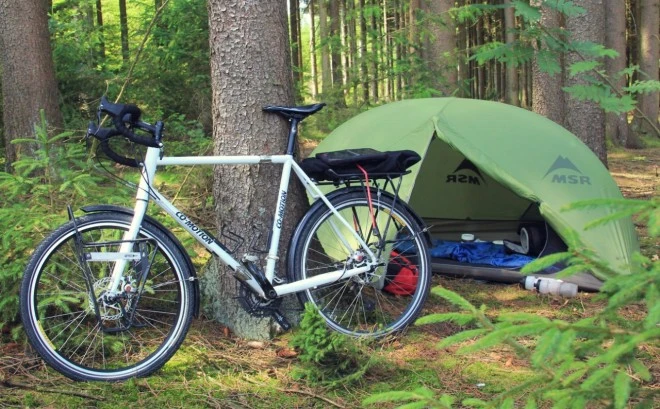
The first step for planning your first Bikepacking adventure is to determine what type of bike will be best suited to the intended route. There are three common types of bikes that are used for Bikepacking: mountain bikes, cyclocross bikes, and touring bikes. Mountain bikes are great for trails that are loose and rocky, as they have durable, lightweight frames and wide, knobby tires. Cyclocross bikes are similar to mountain bikes in that they have durable frames and wide, knobby tires, making them great for off-road riding. Touring bikes, on the other hand, are designed for long-distance rides and are often outfitted with panniers and other accessories for carrying gear. The type of bike that you choose to ride for your first bikepacking adventure will depend on the type of terrain you will be traveling on and your skill level.
Staying Safe and Comfortable on the Trail
When planning a bikepacking adventure, it's important to be prepared for all types of weather and conditions, especially if you're planning a long-distance trip. The trick is to pack lighter than you think you need to pack. Having too much gear will only slow you down and could even put you in harm's way if you end up having to carry it in bad weather. There are a few things to keep in mind when packing for a bikepacking adventure, including planning for the weather, packing light and keeping it simple, and storing your gear correctly. Additionally, make sure you have the appropriate gear for the intended duration of your trip. For example, if you're planning on riding in cool temperatures during the day, but temperatures drop at night, make sure you have the appropriate layers for all conditions.
Packing and Navigation Tips
When it comes to packing, there are three types of gear and supplies that you will want to make sure you have on every trip: safety, comfort, and navigational. For safety, make sure you always have a first aid kit and adequate nutrition to keep your energy up on the trail. Comfort gear can include things like extra layers, a rain jacket, and plenty of water. For navigational purposes, bring a map, compass, and GPS device or phone with mapping apps installed. You can also make your trip easier with a few helpful tools, such as a Bike repair kit, pump, patch kit, and a lightweight bike rack or panniers to help you carry your gear.
Choosing the Right Bikepacking Adventure
One of the most important aspects of planning a bikepacking trip is choosing the right route. There are different factors to take into consideration when choosing a route, including the length of the route, the terrain, and the climate. These factors will help you determine how long a route is best suited for a beginner's trip and what types of bikes and gear you will need for the trip. For instance, if you want to bikepack through the mountains, you will want to choose a route that travels on paved roads for a smoother ride. If you're more adventurous, you can choose a route that travels on dirt roads. For optimal travel, it's best to avoid the summer months, when temperatures are hottest, and travel during the shoulder seasons, when temperatures are milder and there is less precipitation. This will help you avoid getting caught in bad weather or experiencing uncomfortable conditions.
Planning and Preparing for a Bikepacking Trip
Once you've decided on an appropriate route and the appropriate length of time for your trip, it's time to start preparing for the big adventure.
The first thing you'll want to do is research your intended route, including the distance and terrain, and make sure you have the necessary permits and permits if necessary.
Next, make sure you have all the necessary gear for the trip, including appropriate clothing, first aid supplies, and nutrition. You may also want to consider bringing a lightweight tent for added protection from the elements.
Finally, make sure you have enough money to fund your trip. While many Bikepacking routes are free to travel on, there are some that require you to pay a fee.
Conclusion
Bikepacking is an adventure sport that is growing in popularity. It's a great way to enjoy the outdoors and challenge yourself physically and mentally. With this guide, you now have all the knowledge you need to make your first Bikepacking adventure an unforgettable experience. Now it's time to get out there and explore the outdoors.
0





















Sign in to leave a comment.