

Walk into a power distribution room and you'll see copper conductors, aluminium cables, transformers, switchgear, and busbars all working together to deliver electricity safely. At first glance, they appear to be part of one seamless electrical network. However, behind many of these connections lies an engineering challenge that isn't immediately visible: how do you safely connect two different metals without compromising electrical performance?
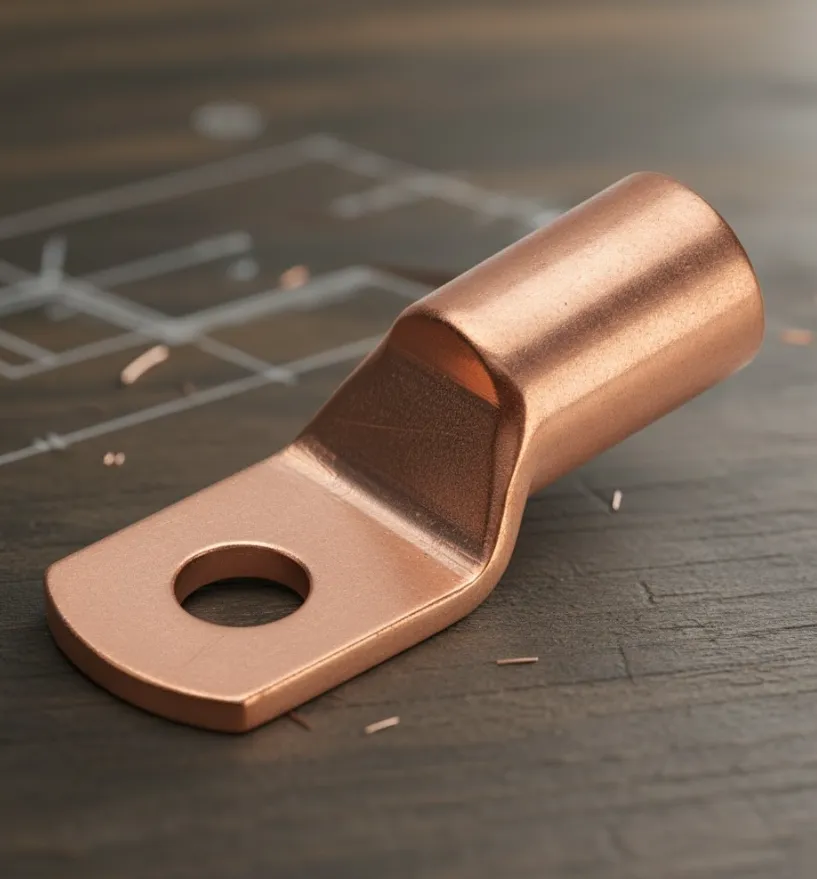
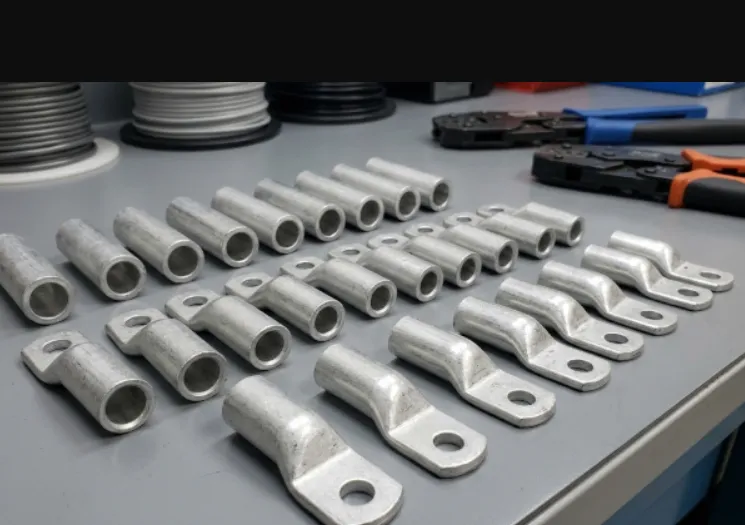
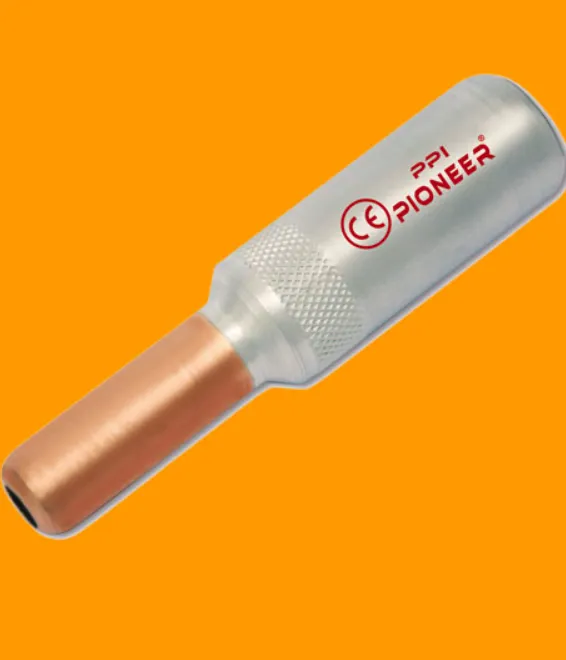
This is where Bimetallic Connectors become essential. They may not attract attention during installation, but they quietly solve one of the most common challenges in modern power systems: creating a reliable connection between aluminium and copper conductors. Without the right connector, differences in material properties can gradually affect electrical performance, leading to increased resistance, heat generation, corrosion, and unnecessary maintenance. That's why Bi Metallic Lugs are widely used in electrical infrastructure where long-term reliability matters.
How Can You Identify a High-Quality Bi Metallic Lug?
Many products may appear similar, but experienced professionals know that manufacturing quality makes a significant difference.
Before selecting a Bi Metallic Lug, buyers often consider several important factors, including material quality, friction-welded bonding, dimensional accuracy, conductivity, corrosion resistance, barrel design, palm thickness, and compatibility with conductor size. These characteristics influence not only installation quality but also the long-term performance of the electrical system.
Choosing a well-engineered connector today can help prevent maintenance issues years later.
What Should Buyers Really Compare Before Making a Purchase?
Rather than asking only about price, experienced engineers usually ask different questions.
- Is the copper-to-aluminium bond manufactured using a reliable process?
- Does the connector provide low electrical resistance?
- Is it suitable for the intended conductor size?
- Will it withstand long-term mechanical and thermal stress?
- Does it comply with recognised industry standards?
- Is it designed for demanding industrial and outdoor environments?
These practical considerations help ensure dependable performance throughout the life of the installation

Why Are Bimetallic Connectors Becoming More Important Today?
Modern electrical systems are evolving rapidly. Renewable energy projects, smart grids, electric vehicle charging infrastructure, and industrial automation all rely on efficient power transmission and dependable electrical connections.
As aluminium conductors become increasingly common because of their lightweight properties and cost efficiency, the demand for reliable transition connectors continues to grow. Bimetallic Connectors help bridge the gap between different conductor materials, allowing engineers to combine the advantages of both copper and aluminium without sacrificing performance or safety.
Can a Small Connector Really Prevent Long-Term Electrical Problems?
It may seem surprising, but the answer is yes.
Many electrical failures do not begin with damaged transformers or defective cables. They often start at the connection point where current transfers from one conductor to another. Even a slight increase in resistance at this location can generate heat, reduce efficiency, and shorten the life of surrounding equipment.
A properly manufactured Bi Metallic Lug helps distribute current efficiently, minimises resistance, and creates a stable connection capable of withstanding vibration, temperature changes, and continuous electrical loading. Although compact in size, it plays a major role in protecting the reliability of an electrical installation.
Where Are Bimetallic Connectors Commonly Used?
Look closely at today's electrical infrastructure, and you'll find Bimetallic Connectors in a wide variety of applications. They are widely used in substations, transformers, switchgear, electrical panels, overhead transmission lines, renewable energy plants, railway electrification, industrial manufacturing facilities, commercial buildings, telecom infrastructure, and utility distribution networks.
Wherever copper equipment needs to be connected to aluminium conductors, Bi Metallic Lugs provide a practical and dependable solution that helps maintain efficient current flow while reducing the risk of corrosion-related failures.
Why Choose Pioneer Power International?
Reliable electrical systems depend on reliable connections, and Pioneer Power International understands the importance of manufacturing products that perform consistently under demanding conditions. The company offers premium Bimetallic Connectors and Bi Metallic Lugs engineered to provide secure copper-to-aluminium transitions with excellent conductivity, mechanical strength, and corrosion resistance.
Manufactured using precision engineering and strict quality control, Pioneer Power International products are trusted across substations, power distribution networks, industrial automation, renewable energy projects, electrical panels, switchgear, and infrastructure developments. By combining advanced manufacturing practices with a commitment to long-term reliability, Pioneer Power International continues to deliver electrical connection solutions that help customers build safer, stronger, and more efficient power systems.
Why Is Aluminium Being Used More Frequently Than Before?
As power networks expand, engineers continue looking for practical ways to improve efficiency while managing installation costs.
Aluminium conductors have become increasingly common because they are lightweight and economical for large-scale power transmission.
However, much of the existing electrical infrastructure still relies on copper equipment.
This creates an important challenge.
How do you connect new aluminium conductors to existing copper systems without compromising long-term reliability?
The answer is the proper use of Bimetallic Connectors engineered specifically for copper-to-aluminium transitions.
Is Electricity the Biggest Challenge, or Are Materials the Bigger Challenge?
Most people assume electricity itself causes failures.
Quite often, materials are the real challenge.
Copper and aluminium are both excellent conductors, but they behave differently under mechanical and environmental stress. One expands differently than the other. Each reacts differently to oxidation and environmental exposure.
Over time, these differences can influence the quality of an electrical joint if the transition is not properly engineered.
A Bi Metallic Lug isn't designed because either metal is inadequate.
It's designed because two excellent materials need a reliable method of working together.
























Sign in to leave a comment.