
If you have ever tried painting a repeated pattern, applying a company logo to a surface, or taking on a DIY home decor project, you know that the template you use makes all the difference. Paper tears easily, thin plastic lets paint bleed underneath, and cardboard gets soaked and ruined after a single pass.
That is exactly why mylar stencil material has become the gold standard for crafters, commercial painters, and industrial teams alike. It strikes the perfect balance between flexibility, strength, and ease of use. Whether you are cutting your own designs at home or ordering custom-made templates in bulk, understanding how this material works will help you achieve clean, razor-sharp lines every single time.
What Is Mylar Stencil Material
Mylar is a specific brand name for polyester film made from stretched polyethylene terephthalate, commonly known as PET. In the world of template manufacturing and crafting, it refers to a tough, synthetic plastic sheet designed to lay flat against surfaces while resisting water, chemicals, and physical wear.
Unlike standard craft plastics, polyester film will not warp easily, tear when pulled, or dissolve when exposed to paint solvents. It is semi-translucent or milky white, which allows you to see through the sheet to align your designs accurately on walls, wood, canvas, or concrete.
Why Choose Mylar Over Other Stencil Materials
When choosing a template material, you usually have a few options: paper, vinyl, rigid acrylic, or metal. While each has its place, polyester film stands out for several key reasons.
Reusability and Durability
One sheet can be used dozens, or even hundreds, of times without losing its shape. The edges remain smooth, preventing paint from seeping under the cutouts during repeated applications.
Solvent and Chemical Resistance
Whether you use water-based acrylic paints, spray paint, or heavy-duty oil-based industrial coatings, Mylar holds up without melting, curling, or degrading.
Flexibility and Flatness
The material is flexible enough to curve around rounded surfaces like columns, pipes, or curved furniture, yet rigid enough to lie completely flat on smooth walls and floors.
Easy Cleaning
Because paint does not adhere permanently to polyester film, washing your template with warm water and soap or a mild paint cleaner restores it to like-new condition in minutes.
Choosing the Right Thickness for Your Project
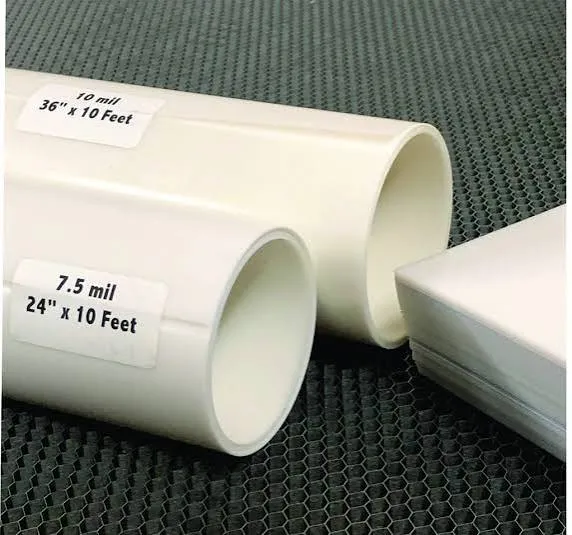
The thickness of mylar stencil material is measured in thousandths of an inch, known as "mils." Selecting the correct mil thickness depends entirely on what you plan to create and how you plan to cut it.
4 Mil to 7 Mil: Delicate Details and Hand Cutting
Thin sheets are soft and easy to slice using a basic craft knife or a electronic cutting tool like a Cricut or Silhouette. They conform tightly to curved objects and work wonderfully for small craft projects, fabric painting, or detailed art pieces. However, because they are thinner, they require gentle handling to avoid stretching thin bridges in the design.
10 Mil: The Industry Standard
If you are unsure which thickness to pick, 10 mil is almost always the best choice. It offers the ideal balance between strength and flexibility. It is thick enough to withstand heavy handling and repeated cleaning, yet thin enough to cut cleanly with a laser or hobby plotter. This is the go-to thickness for wall accent patterns, furniture painting, and commercial packaging marks.
14 Mil: Heavy Duty and Industrial
Thick sheets are built for tough environments. If you are applying pavement markings, spraying paint outdoors, or using heavy rollers on rough brick walls, 14 mil provides maximum stiffness and longevity. While it is too thick for standard drag-blade cutting machines, it laser-cuts exceptionally well.
How to Work With Mylar Stencil Material
Using polyester film templates effectively comes down to proper technique. Here are a few simple practices to keep in mind for clean results.
Cutting Your Designs
If you are cutting templates at home, ensure your blade is sharp. When using an electronic cutting machine, adjust your pressure settings for thick plastic to ensure complete cuts through the sheet. For complex vector artwork with internal cutouts, remember to leave small connecting bridges so center pieces do not drop out.
Preventing Paint Bleed
The secret to sharp paint lines is using as little paint as possible. Secure the sheet firmly to your surface using painter tape or a light coat of repositionable spray adhesive. When applying paint, use a stippling motion with a dry stencil brush or a high-density foam roller rather than a wet, sliding brush stroke.
Cleaning and Storage
Wash your template immediately after use before the paint dries completely. Lay the sheet flat on a smooth surface and gently scrub it with a soft sponge. Once dry, store your stencils flat between two cardboard panels or inside a binder to keep them flat and ready for your next project.
Conclusion
Selecting the right template material transforms a frustrating painting experience into a smooth, professional process. Whether you are tackling a small weekend home decor project, designing retail craft kits, or managing industrial facility markings, high-grade polyester film delivers unmatched versatility, sharp details, and long-term reusability.
When you are ready to bring your next creative vision or commercial branding project to life, sourcing your precision templates and custom materials from Stencils Online guarantees top-tier quality, durable sheets, and effortless professional results on every single pass.
Frequently Asked Questions
1. What is mylar stencil material?
It is a durable, flexible polyester film designed for making reusable templates. It resists water, chemicals, and tear damage, allowing you to paint precise patterns onto various surfaces.
2. Can I reuse a Mylar stencil?
Yes. Mylar is fully washable and solvent-resistant. As long as you clean off the paint after each project and store the template flat, you can reuse it dozens or even hundreds of times.
3. What thickness of Mylar should I choose?
A 10 mil thickness is the industry standard for wall decor, furniture, and general crafts. Thinner sheets like 4 to 7 mil work best for curved surfaces, while 14 mil is ideal for heavy industrial marking.
4. How do I clean my stencil after painting?
Wash the template with warm water and a mild sponge right after painting with acrylics. If you used oil-based or spray paints, clean it gently with a mild solvent.
5. Where can I buy custom Mylar stencils?
You can order pre-cut designs, custom laser-cut templates, and raw stencil materials directly through Stencils Online.























Sign in to leave a comment.