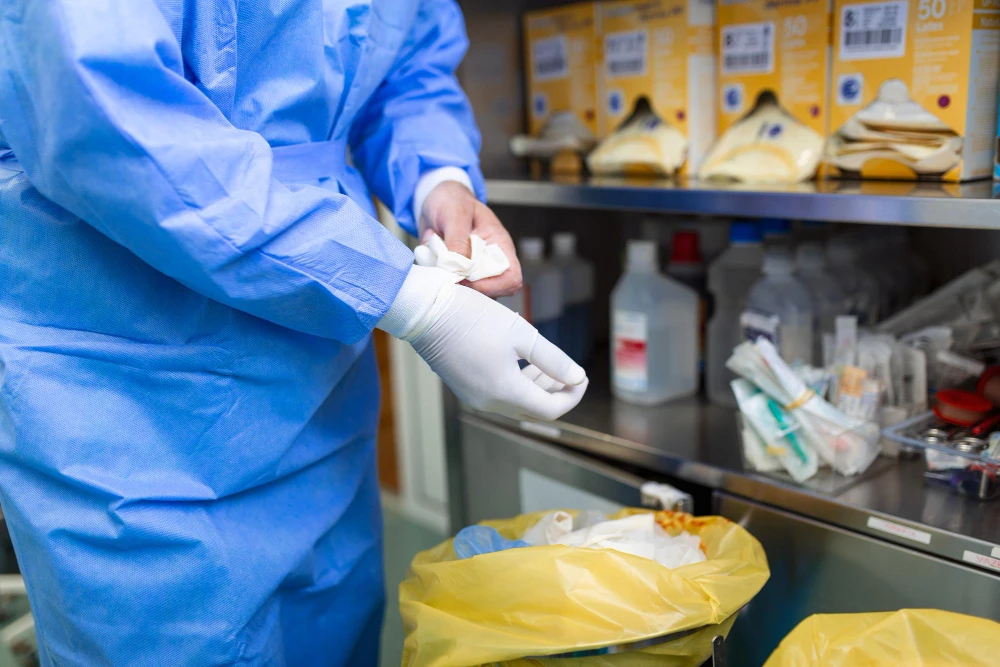

Healthcare facilities generate a wide range of waste materials during patient care, research, and laboratory activities. Among these, biomedical waste requires special attention due to its potential to cause infection, injury, and environmental harm. Biomedical Waste Disposal is a critical process that ensures hazardous medical waste is handled, treated, and disposed of safely while maintaining strict regulatory compliance.
With reliable support from MedPro Disposal, healthcare organizations can implement effective waste management systems that protect staff, patients, and the environment.
What Is Biomedical Waste?
Biomedical waste refers to any waste generated during medical, diagnostic, or research activities that may be infectious, hazardous, or potentially harmful. This type of waste is commonly produced by hospitals, clinics, laboratories, dental offices, and veterinary practices.
Examples of biomedical waste include:
- Used needles, syringes, and sharps
- Blood-soaked materials and bandages
- Pathological waste such as tissues and organs
- Laboratory cultures and specimens
- Contaminated personal protective equipment (PPE)
- Medical instruments exposed to infectious agents
Proper Biomedical Waste Disposal is essential to prevent exposure to harmful pathogens and ensure safe healthcare operations.
Why Biomedical Waste Disposal Is Important
Improper handling of biomedical waste can lead to serious health risks and environmental damage. Healthcare facilities must follow strict guidelines to ensure waste is managed responsibly.
Infection Prevention
Biomedical waste often contains infectious agents that can spread diseases if not handled correctly. Proper disposal reduces the risk of cross-contamination.
Environmental Protection
Incorrect disposal methods can contaminate soil, water, and air. Safe Biomedical Waste Disposal helps minimize environmental impact.
Regulatory Compliance
Healthcare organizations must comply with regulations established by agencies such as OSHA and environmental authorities. Non-compliance can result in penalties and operational risks.
Workplace Safety
Healthcare workers are at risk of injuries from sharps and exposure to hazardous materials. Proper waste management helps create a safer work environment.
Types of Biomedical Waste
Understanding the categories of biomedical waste helps ensure proper handling and disposal.
Infectious Waste
Materials contaminated with blood, bodily fluids, or infectious agents.
Sharps Waste
Items such as needles, scalpels, and broken glass that can cause injury and infection.
Pathological Waste
Human tissues, organs, and body parts removed during medical procedures.
Pharmaceutical Waste
Expired or unused medications that require safe disposal.
Chemical Waste
Disinfectants, solvents, and other hazardous chemicals used in healthcare settings.
Each category requires specific handling procedures to ensure compliant Biomedical Waste Disposal.
The Biomedical Waste Disposal Process
An effective waste management system follows a structured approach to ensure safety and compliance.
Segregation at Source
Waste should be separated at the point of generation using color-coded containers to prevent mixing of hazardous and non-hazardous materials.
Safe Storage
Biomedical waste must be stored in secure, labeled containers to prevent leaks, spills, or unauthorized access.
Collection and Transportation
Certified professionals collect and transport waste according to regulatory guidelines, ensuring safe handling throughout the process.
Treatment and Disposal
Waste is treated using approved methods such as autoclaving, incineration, or chemical disinfection to eliminate harmful pathogens before final disposal.
A well-organized Biomedical Waste Disposal system ensures that waste is managed safely from start to finish.
Challenges in Biomedical Waste Management
Healthcare organizations often face several challenges when managing biomedical waste:
- Improper segregation of waste types
- Lack of staff training and awareness
- Changing regulatory requirements
- Risk of accidental exposure or injury
- Inefficient waste handling processes
Partnering with a professional provider helps address these challenges and improve overall waste management efficiency.
How MedPro Disposal Supports Biomedical Waste Disposal
MedPro Disposal provides comprehensive Biomedical Waste Disposal solutions tailored to the needs of healthcare facilities. Their services are designed to simplify compliance while ensuring safe and efficient waste management.
Key benefits include:
- Reliable waste collection and disposal services
- Compliance-focused waste management solutions
- Flexible service scheduling
- Transparent pricing structures
- Dedicated customer support
With MedPro Disposal, healthcare providers can focus on patient care while maintaining confidence in their waste management practices.
Best Practices for Biomedical Waste Disposal
Healthcare facilities can enhance their waste management programs by following these best practices:
Train Staff Regularly
Ensure employees understand proper waste segregation, handling, and disposal procedures.
Use Approved Containers
Proper containers help prevent leaks, injuries, and contamination.
Maintain Clear Documentation
Accurate records support compliance and accountability.
Schedule Routine Waste Collection
Regular pickups prevent waste accumulation and reduce risks.
Work With Certified Providers
Professional waste disposal services ensure compliance with regulatory standards.
Conclusion
Effective Biomedical Waste Disposal is essential for maintaining safe, compliant, and environmentally responsible healthcare operations. Proper waste management protects healthcare workers, patients, and communities while reducing environmental impact.
By partnering with trusted providers like MedPro Disposal, healthcare organizations can implement reliable disposal solutions that support compliance, improve efficiency, and promote safer healthcare environments.


























Sign in to leave a comment.