
Workforce management is an important aspect that entails attendance tracking. Whether it is a school, corporate office, manufacturing plant or a government institution having the correct record of who was where and when will have a direct effect on productivity, compliance, security and on payroll. Traditional attendance systems like swipe ID card, punch cards, and manual registers were the only forms of attendance used by organizations over a number of decades. However, with the rise in technology and the need to be more precise, more biometric attendance systems became popular.
The biggest question facing most organizations today is; Which is better: biometric or traditional attendance systems? There is no uniform to everything. Both approaches have advantages and disadvantages which should be considered against the special requirements of the business. So, how they compare is to be disaggregated.
What Are Traditional Attendance Systems?
Traditional attendance systems include:
Manual registers (paper-based sign-in sheets)
Punch card machines
Magnetic swipe cards
RFID cards or tags
PIN or password-based systems
These techniques are based on physical evidence or progressively typed information used to report attendance. They are still commonly used everywhere decades later and are still prevalent in small businesses or in places where technology adoption is slower.
Advantages of Traditional Systems
Low Initial Cost:
Conventional systems usually do not need many investments. A card machine or logbook is much cheaper than a biometric card.
Ease of Implementation:
It does not involve any complicated arrangement or training. The employees are already aware of signing in or swiping a card or punching a time sheet.
Minimal Privacy Concerns:
As the employees are not required to provide any personal physiological data, those who are concerned with storing biometric data might feel more at ease.
Offline Operation:
Most of the traditional systems are not connected to the internet and thus they can be used in remote or low-tech settings.
Drawbacks of Traditional Systems
High Risk of Fraud:
where one employee clocks in for another, is common in card- or register-based systems.
Lost or stolen cards can also be misused.
Manual Errors & Inconsistencies:
Paper logs can be illegible, incomplete, or manipulated. Swipe machines may fail to read cards correctly.
Increased Administrative Work:
Data from manual systems must often be entered into payroll software, increasing workload and the potential for errors.
Lower Overall Security:
Traditional methods cannot verify identity with certainty. A card or password identifies a credential, not a person.
What Are Biometric Attendance Systems?
Biometric systems use unique biological traits to verify identity, such as:
Fingerprint recognition
Facial recognition
Iris scanning
Voice recognition
Palm vein scanning
These systems automatically authenticate employees, eliminating the need for physical cards or passwords.
Advantages of Biometric Systems
Eradicates Attendance Fraud:Due to the nature of biometrics, which is based on distinctive features of a human being, such issues as buddy punching or proxy attendance are not possible. The actual employee is the only one who is able to clock in.
Highly Accurate & Reliable:Biometric information also provides accurate time stamps so that the errors in attendance books and payrolls are minimized.
Fast & Efficient:In seconds, they are able to register attendance thus eliminating lengthy queues that arise during change of shifts.
Easily integrated with HR Software:The majority of biometric systems are integrated with the attendance and payroll programs, so the calculations are automatically made and less manual work is done.
Improved Security:The biometric identification ensures an extra level of access control, which is not available in card-based systems.
Drawbacks of Biometric Systems
Higher Initial Cost:
Biometric devices and software require a larger upfront investment compared to traditional systems.
Requires Stable Power & Connectivity:
While some devices can store data offline temporarily, most function best with reliable electricity and network connections.
Potential Privacy Concerns:
Employees may worry about how their biometric data is stored and who has access to it. Organizations must comply with data protection laws.
Environmental or Physical Limitations:
Dusty environments, worn fingerprints (common in manufacturing), or face masks can affect certain biometric scanners.
Which System Is Best for Your Organization?
Choosing the right system depends on your goals, budget, and work environment.
Biometric Systems Are Best When:
You require completely fraud-proof attendance.
Your workforce is large
Good administrative time and payroll are to be reduced.
Security and identity check is significant.
You are able to spend on modern technology.
Biometrics work exceptionally well in corporate offices, IT companies, factories, hospitals, and educational institutions.
Traditional Systems Are Best When:
Your budget is limited
You operate in remote locations with poor connectivity
Employee turnover is low
The workforce is small and easy to manage
Privacy concerns around biometrics are significant
They may be suitable for small shops, local businesses, agricultural setups, or temporary workplaces.
The Future: Hybrid Attendance Systems
Many organizations today choose a hybrid approach, combining biometric systems with backup traditional methods. For example:
- A company may use fingerprint scanners but allow manual entries during system failures.
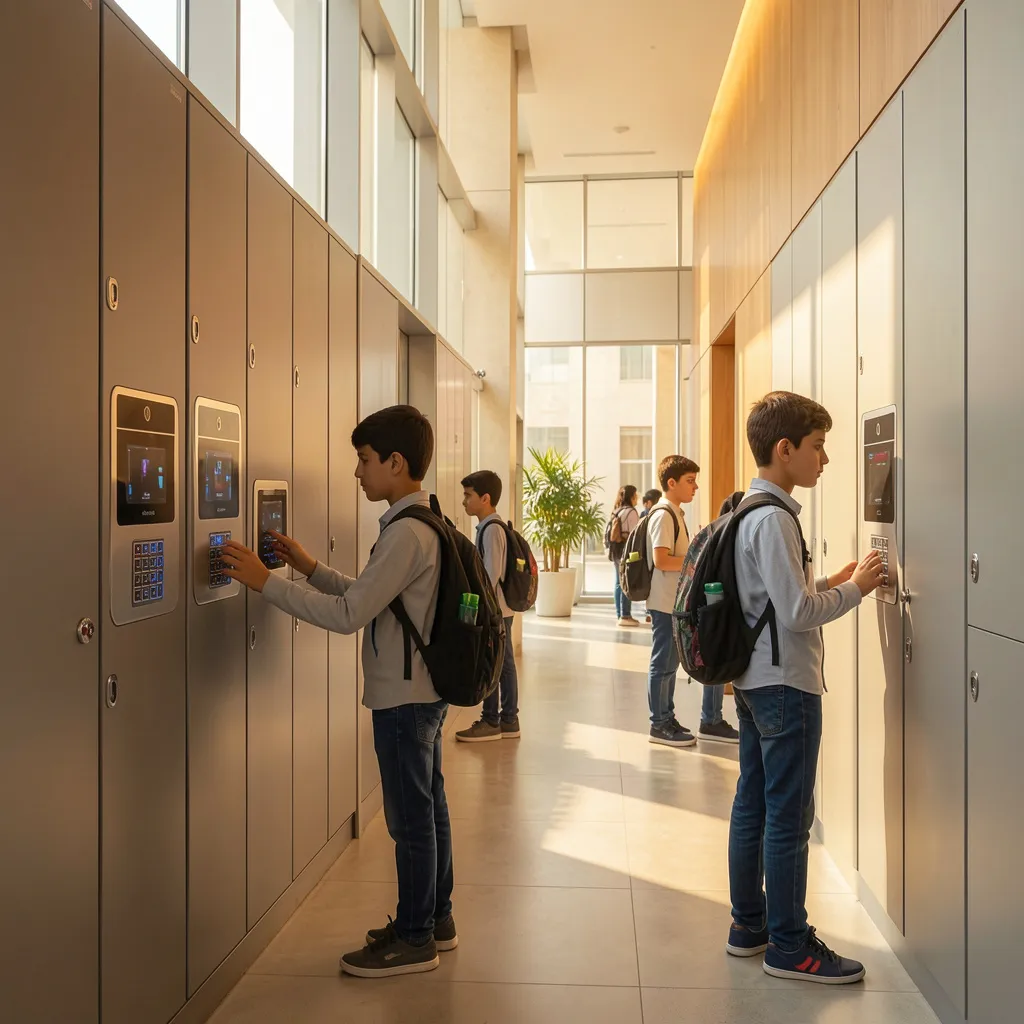
- Schools might use RFID cards but pair them with facial recognition for enhanced security.
As technology evolves, AI-based facial recognition, mobile attendance apps with GPS, and cloud-based systems are becoming more common. These solutions blend the convenience of biometric verification with the flexibility of digital platforms.
Conclusion: Biometric Systems Deliver the Best Long-Term Value
Although the conventional methods of attendance are cheap and simple to employ, they lack accuracy, security and efficiency. Although biometric attendance systems are more expensive to purchase, they are the best because they are more reliable, they eradicate fraud, facilitate payrolls, and eventually save organizations time and money.























Sign in to leave a comment.