
Bituminous vs. Polyethylene based Wrapping Tapes: Which is Best for Pipeline Protection?
Protecting pipelines from corrosion, moisture, and damage is essential for long service life. Bituminous and polyethylene wrapping tapes are common solutions, but bituminous tape provides superior flexibility, cost-effectiveness, and durability for long-term protection.
Understanding Bituminous and Polyethylene Wrapping Tapes
Bituminous Wrapping TapeBituminous wrapping tape is a high-performance protective tape made from modified bitumen, reinforced with high-performance fibreglass mesh. It has been widely used for decades in pipeline protection due to its impervious nature, resistance to environmental degradation, and ability to withstand harsh conditions. The flexible and restorative nature of bituminous wrapping tapes ensures long-lasting protection.
This type of tape is designed to create a continuous, seamless barrier around pipelines, effectively shielding them from moisture, oxygen, and aggressive soil chemicals. The modified bitumen provides self-healing capabilities, allowing the tape to seal small punctures or scratches that may occur during installation or over time. This feature significantly reduces the risk of corrosion and extends the service life of the pipeline, even in the most demanding environments. Bituminous tapes are also highly compatible with various surface profiles, making them ideal for use on irregularly shaped or welded joints.
Polyethylene Wrapping TapePolyethylene (PE) wrapping tape is a polyolefin-based tape that is commonly used for pipeline wrapping. These tapes generally consist of an adhesive layer and a fusion bonded epoxy layer to help with the adhesion of the final PE tape. While PE tapes are lightweight and easy to handle, they lack the restorative properties, affordability, and user-friendly application that bituminous tapes provide.
PE tapes are valued for their chemical resistance and flexibility, which make them useful for a range of above-ground and below-ground applications. However, they do not possess the self-healing capabilities of bituminous tapes, meaning that any damage to the tape often requires complete removal and replacement of the affected section. This limitation can lead to increased maintenance costs and higher chances of pipeline exposure to corrosive elements over time. Additionally, the cost of PE tapes is typically higher, and their long-term performance in extreme environments may not match that of bituminous tapes.
Why Bituminous Wrapping Tape is the Preferred Choice for Pipeline Protection
Excellent Adhesion & Bonding Strength: Bituminous pipe wrapping tape forms an excellent bond with metal surfaces, ensuring a waterproof and corrosion-resistant seal that remains intact even under stress or ground movement.
Superior Corrosion and Moisture Protection: The bituminous composition provides an impermeable barrier against moisture, oxygen, and corrosive elements. This significantly reduces the risk of pipeline degradation and extends its service life, particularly in aggressive soil and weather conditions.
Flexibility & Restorative Properties: Bituminous wrapping tape adapts to surface irregularities and minor movements in the pipeline. In case of minor punctures or cuts, the damaged area can be quickly repaired without removing an entire section of pipeline, minimizing downtime and labor costs.
Resistance to Harsh Environmental Conditions: Whether used in extreme cold, high temperatures, or highly corrosive environments, bituminous pipe wrapping remains intact and effective. This makes it an ideal choice for both underground and above-ground pipeline applications, as well as for underwater and industrial plant installations.
Affordability: Bituminous tapes are highly cost-effective when compared to PE tapes, not only in terms of material costs but also due to their easy application procedures and minimal maintenance requirements over the pipeline’s lifetime.
Pypkote: The Ultimate Bituminous Pipe Wrapping Tape
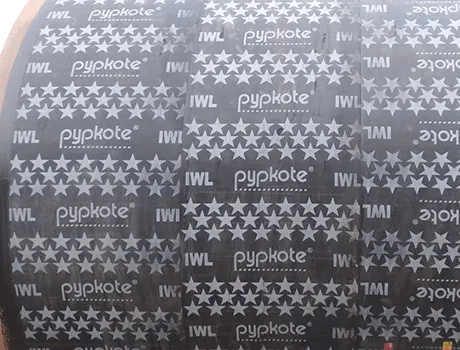
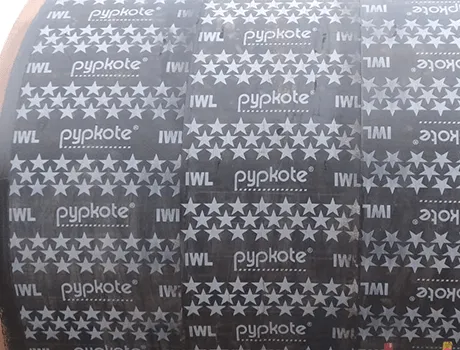
When it comes to high-quality bituminous pipe wrapping tape, Pypkote stands out as the best solution for superior pipeline protection. Pypkote is engineered with advanced bitumen-based technology, offering unmatched adhesion, flexibility, and resistance to environmental factors. Its reinforced structure provides exceptional durability, making it suitable for challenging applications where long-term performance is vital.
Why Choose Pypkote?- Exceptional adhesion to metal surfaces for long-lasting protection against corrosion and water ingress.- Highly flexible and adaptable, ensuring durability and performance around bends, joints, and fittings.- Superior corrosion and moisture resistance, extending pipeline lifespan and reducing the risk of leaks or failures.- Easy application, reducing labour costs and installation time, with the ability to perform simple on-site repairs when needed.- Proven performance in extreme environmental conditions, including coastal, marshy, or chemically aggressive soil locations.
Case Studies and Real-World ApplicationsPypkote has been used in a wide range of industries, from oil and gas transmission lines to municipal water supply networks and industrial facilities. In projects where traditional PE tapes failed prematurely due to punctures or poor adhesion, switching to Pypkote resulted in fewer maintenance interventions and longer service intervals. Pipeline operators have reported significant cost savings and improved reliability after adopting Pypkote for both new installations and rehabilitation projects.
Conclusion: Choosing the Right Tape for Lasting Pipeline ProtectionSelecting the optimal pipe wrapping tape is a strategic decision that impacts the safety, efficiency, and life span of a pipeline network. While polyethylene-based tapes offer some benefits, bituminous wrapping tapes—especially advanced products like Pypkote—deliver unmatched protection, flexibility, and value. By investing in high-quality bituminous tape, pipeline owners and engineers can ensure their infrastructure remains secure, operational, and cost-efficient for decades to come.
Learn MoreTo explore how Pypkote can enhance your pipeline protection, visit Pypkote Pipe Wrapping Coating Tape today or reach out to our technical team for tailored recommendations on your next project.ds
3. Factors to Consider in Coating and Wrapping Selectiona. Pipe Material and Size:• Different materials require specific types of coatings and wrapping techniques• The pipe's diameter influences the application process and materials usedb. Environmental Conditions:• Consider soil composition, moisture levels, and temperature variations• Choose coatings and wrapping materials accordingly to withstand specific environmental challengesc. Installation and Maintenance:• Evaluate ease of application and maintenance requirements• Operational for coatings and wrapping methods that minimize installation complexity𝐂𝐨𝐧𝐜𝐥𝐮𝐬𝐢𝐨𝐧Protecting underground pipes is crucial for ensuring the efficiency and longevity of various infrastructure systems. Engineers carefully choose appropriate coating and wrapping techniques to shield pipelines from corrosion, mechanical damage, and chemical exposure. Fusion Bonded Epoxy (FBE), Coal Tar Enamel (CTE), Polyethylene (PE), and Polyurethane (PU) are some common coating options, while Polyethylene Tape, Bituminous Tape, Fiber-Reinforced Polymer (FRP), and PVC Wrapping are prevalent wrapping methods. By considering pipe material, environmental conditions, and installation factors, engineers can make informed decisions that promote the durability and functionality of underground pipelines.
























Sign in to leave a comment.