
Understanding the Causes of Pipe Failure
Before exploring how pipe wrap tape prevents pipe failure, it is important to understand why pipes fail in the first place. Several factors contribute to pipe deterioration, including:
1. Corrosion
Corrosion is one of the most common causes of pipe failure, particularly in metal pipes. Exposure to oxygen, moisture, and soil chemicals can cause rust and metal degradation. Over time, corrosion weakens the pipe wall, leading to leaks or bursts.
2. Moisture Exposure
Pipes buried underground or installed in humid environments are constantly exposed to moisture. This moisture accelerates corrosion and can damage protective coatings if not properly sealed.
3. Chemical Exposure
Industrial pipelines may transport chemicals or be exposed to corrosive substances in the environment. These chemicals can gradually degrade pipe materials.
4. Mechanical Damage
External impacts, soil pressure, vibration, and construction activities can cause physical damage to pipes, including cracks, dents, and abrasion.
5. Temperature Changes
Extreme temperature fluctuations cause pipes to expand and contract. Repeated cycles can weaken pipe joints and coatings, increasing the risk of failure.
What Is Pipe Wrap Tape?
Pipe wrap tape is a specialized adhesive tape designed to protect pipes from corrosion, moisture, and mechanical damage. It is commonly used in underground pipelines, water supply systems, gas pipelines, and industrial piping installations.
Pipe wrap tapes are typically made from materials such as polyethylene, PVC, bitumen, or rubber-based compounds. These materials provide strong adhesion, flexibility, and resistance to environmental stress.
When applied properly, the tape forms a tight protective layer around the pipe surface, creating a barrier that prevents external elements from reaching the pipe.
How Pipe Wrap Tape Prevents Pipe Failure
Pipe wrap tape protects piping systems through several key mechanisms.
1. Protection Against Corrosion
The primary function of pipe wrap tape is corrosion prevention. The tape creates a protective barrier that isolates the pipe from oxygen, moisture, and corrosive soil elements. By preventing direct contact between the pipe surface and environmental contaminants, pipe wrap tape significantly slows down or completely stops corrosion processes.
This is especially important for underground pipelines where soil moisture and chemicals can rapidly deteriorate unprotected metal surfaces.
2. Moisture and Water Resistance
Pipe wrap tape is designed to be water-resistant or waterproof. When wrapped around pipes, it seals the surface and prevents water from penetrating the pipe coating.
This moisture barrier is crucial because water accelerates rust formation and weakens pipe materials. By keeping moisture away from the pipe surface, wrap tape preserves structural integrity and reduces the risk of leaks.
3. Chemical Resistance
Many pipe wrap tapes are manufactured to resist chemical exposure. In industrial environments, pipes may come into contact with oils, acids, salts, or other corrosive substances.
High-quality wrap tapes protect pipes from these chemicals by creating a durable protective layer that resists chemical reactions and degradation.
4. Mechanical Protection
Pipe wrap tape also provides a cushioning layer that protects pipes from mechanical damage. When pipes are buried underground or placed in high-traffic industrial environments, they may be exposed to abrasion, soil pressure, and accidental impacts.
The tape acts as a protective shield that absorbs minor impacts and reduces wear on the pipe surface.
5. Flexibility During Thermal Expansion
Pipes often expand and contract due to temperature changes. Rigid protective coatings may crack under repeated expansion and contraction.
Pipe wrap tape is flexible, allowing it to move with the pipe without breaking or losing adhesion. This flexibility helps maintain continuous protection even under fluctuating temperatures.
Types of Pipe Wrap Tape
There are several types of pipe wrap tape designed for different applications.
1. Polyethylene Pipe Wrap Tape
This is one of the most commonly used tapes for corrosion protection. It provides excellent moisture resistance and durability, making it suitable for underground pipelines.
2. PVC Pipe Wrap Tape
PVC wrap tape is flexible and resistant to weather and chemicals. It is commonly used for above-ground piping systems.
3. Bitumen-Based Pipe Wrap Tape
Bitumen tape provides heavy-duty protection and strong adhesion. It is frequently used in oil and gas pipeline applications.
4. Self-Amalgamating Tape
This type of tape fuses to itself when wrapped, creating a seamless protective layer that is highly resistant to water and environmental damage.
Proper Application for Maximum Protection
To ensure pipe wrap tape performs effectively, proper installation is essential.
Surface Preparation
The pipe surface should be cleaned thoroughly to remove dirt, rust, oil, and moisture before applying the tape. This ensures strong adhesion.
Primer Application
Some pipe wrap systems require a primer to improve bonding between the pipe and the tape.
Spiral Wrapping Technique
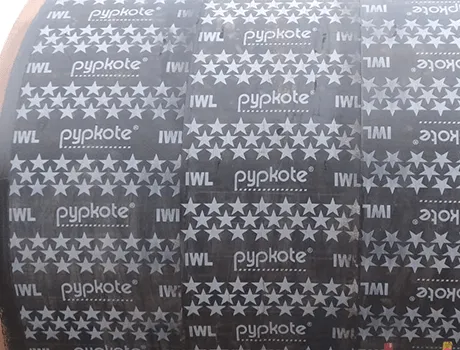
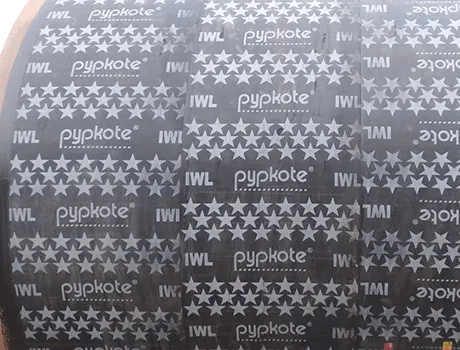
The tape should be applied in a spiral pattern with overlapping layers to create a continuous protective barrier.
Tension Control
Applying the tape with consistent tension prevents air gaps and ensures uniform coverage.
Inspection
After wrapping, the pipe should be inspected to ensure there are no exposed areas or loose sections.
Benefits of Using Pipe Wrap Tape
Using pipe wrap tape offers several advantages for infrastructure maintenance and protection:
- Cost-effective corrosion protection
- Extended pipe lifespan
- Reduced maintenance and repair costs
- Improved reliability of piping systems
- Easy installation and application
- Compatibility with various pipe materials
Because of these benefits, pipe wrap tape is widely used in industries such as oil and gas, water treatment, construction, and chemical processing.
Conclusion
Pipe failure can lead to serious consequences, including costly repairs, environmental damage, and operational downtime. Preventive protection is therefore critical for maintaining the integrity of piping systems. Pipe wrap tape offers a simple yet highly effective solution for preventing corrosion, moisture intrusion, chemical exposure, and mechanical damage.
By forming a durable protective barrier around pipes, wrap tape significantly extends pipeline lifespan and improves system reliability. When combined with proper surface preparation and installation techniques, pipe wrap tape becomes an essential tool for protecting infrastructure and ensuring long-term performance.
Investing in high-quality pipe wrap tape and proper application practices is a smart strategy for preventing pipe failure and maintaining safe, efficient piping systems in any environment.

























Sign in to leave a comment.