

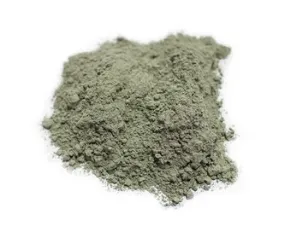
Last winter, a jewellery maker in Ballarat opened a parcel of copper powder she had ordered online, hoping to craft a batch of shimmering resin pendants for a local market. Instead, she found a dull, clumpy grey mess that refused to blend. Weeks of planning were wasted, and so was her budget. Her story is far from unusual. Across Australia, artists, engineers, hobbyists, and small business owners are learning that not all copper powder is equal, and that choosing among premium copper powder manufacturers matters just as much as the price.
Why Copper Powder Matters to Australians
Copper is woven into Australian life, from the wiring in our homes to the solar panels on our roofs. In 2024, Australia accounted for a 3% share of global copper production and 11% of known copper resources, according to Geoscience Australia. South Australia holds 68 percent of Australia’s economic demonstrated resources of copper, based on a Nasdaq summary of government data. With so much copper in the ground, it is no surprise that local makers, workshops, and manufacturers want fine copper powder for everyday projects.
The Market Behind the Powder
Demand is rising worldwide. Market Research Future estimates the copper powder market at USD 794.89 million in 2024, growing to USD 1,263.36 million by 2035 at a 4.3% CAGR. Meanwhile, QYResearch values the atomising copper powder market at US$365 million in 2024, forecast to reach US$501 million by 2031. Prices matter too. Copper surged to a record US$11,870 per tonne in early December 2025, as reported by Mining.com.au from the Department of Industry, Science and Resources.
For Australian buyers, that means quality and transparent pricing deserve extra attention. A small price rise on raw copper can quickly flow through to powder costs, so knowing exactly what you are paying for helps you budget and avoid waste.
How to Choose a Supplier
Not every seller is equal. When comparing suppliers, look beyond the price tag and ask a few direct questions about what is actually in the bag.
Purity and Particle Size
Higher purity means better conductivity, colour, and consistency. Particle size, measured in mesh or microns, changes how powder behaves in paints, resins, and sintered parts. Fine powders give smooth finishes, while coarser grades suit casting and filtration.
Production Method
Atomised, electrolytic, and chemically reduced powders each have distinct grain shapes. Spherical atomised grains flow well in 3D printing, while dendritic electrolytic grains bond strongly in pressed and sintered components.
Testing and Documentation
Reliable suppliers share specification details and batch information. Look for:
- A stated purity percentage
- A clear mesh or micron size range
- A safety data sheet (SDS)
- Proper packaging and batch labelling
- Responsive customer support
Everyday Uses for Copper Powder in Australia
Australians use copper powder in more ways than most people expect:
- Artists and jewellers: metallic paints, patinas, and resin casting
- Engineers and hobbyists: conductive coatings, electronics repair, and powder metallurgy
- Makers and 3D printers: sintered and composite parts
- Boat owners: corrosion-resistant and antifouling coatings
- Educators: classroom chemistry and metalwork demonstrations
Why Local Context Matters
Australia’s copper sector is substantial. Copper capital expenditure held firm at $16.1 billion in 2025, according to the Resources and Energy Major Projects report. Geoscience Australia data showed 36 operational copper mines as of December 2022. However, output from Australian copper mines is forecast to decrease by as much as 3% in 2026-27.
Tighter supply can make dependable sourcing even more important for small businesses and makers. Whether you run a studio in Hobart or a workshop in Perth, a supplier who communicates clearly about stock, grades, and delivery will save you stress when conditions change.
Red Flags to Avoid
- No purity or particle size information on the listing
- Unusually low prices compared with other sellers
- Missing safety data or vague product descriptions
- Clumpy, discoloured, or damp powder on arrival
Smart Buying Tips for Australian Customers
- Order a small test quantity before buying in bulk
- Confirm shipping times and handling within Australia
- Store powder in sealed containers away from moisture
- Wear gloves and a dust mask to avoid inhaling fine particles
- Keep fine metal powders away from open flames and sparks
Conclusion
Copper powder may look simple, but the right choice protects your time, money, and results. Market data shows steady growth, Australia’s copper sector remains substantial, and supply conditions can shift quickly. By checking purity, particle size, production method, and paperwork, you can confidently shortlist premium copper powder manufacturers who meet your needs. At National Plant Supplies, we believe informed buyers create better projects, so what will you ask your next supplier before you place that order?






















Sign in to leave a comment.