Choosing between blown-in insulation and fiberglass often comes down to your home's layout and your specific budget. While blown-in options fill odd corners effectively, fiberglass batts provide a standard, reliable barrier. Professionals with years of building science experience know that the best choice depends on your specific attic geometry and climate needs.
This guide provides facts to help you decide which material works best for your living space. Insulation experts in Eugene, OR, who have spent decades working in the Willamette Valley climate offer their insights here, as they understand how local humidity and temperature swings impact long-term efficiency in residences.

Understanding Thermal Performance and Material Types
Fiberglass batts are pre-cut panels installed between wall studs or ceiling joists, consisting of fine glass fibers woven into a mat. This material is ideal for new construction where the framing remains open and easy to access.
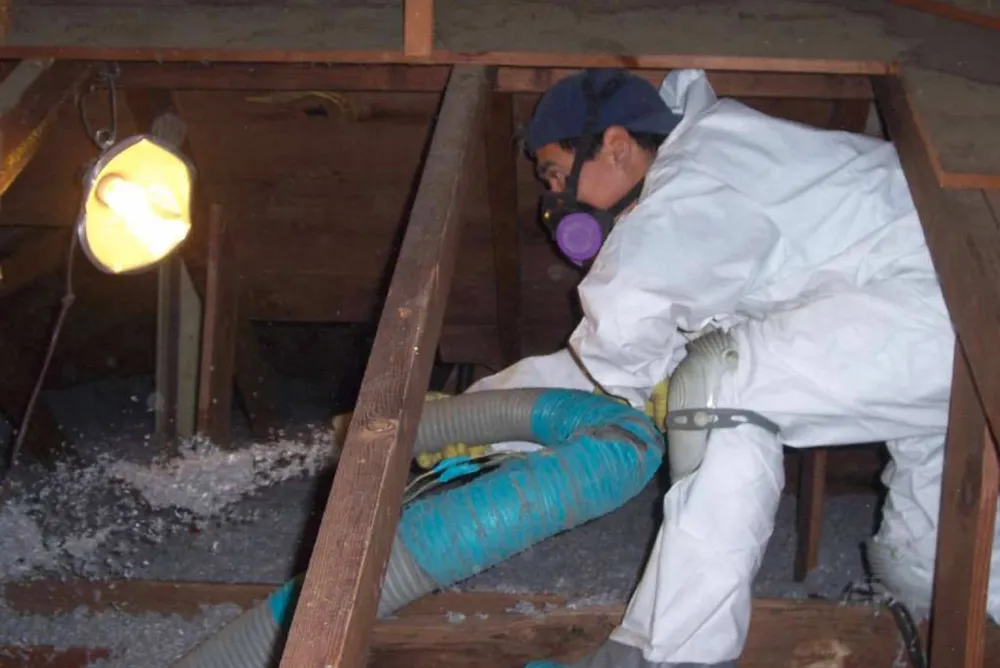
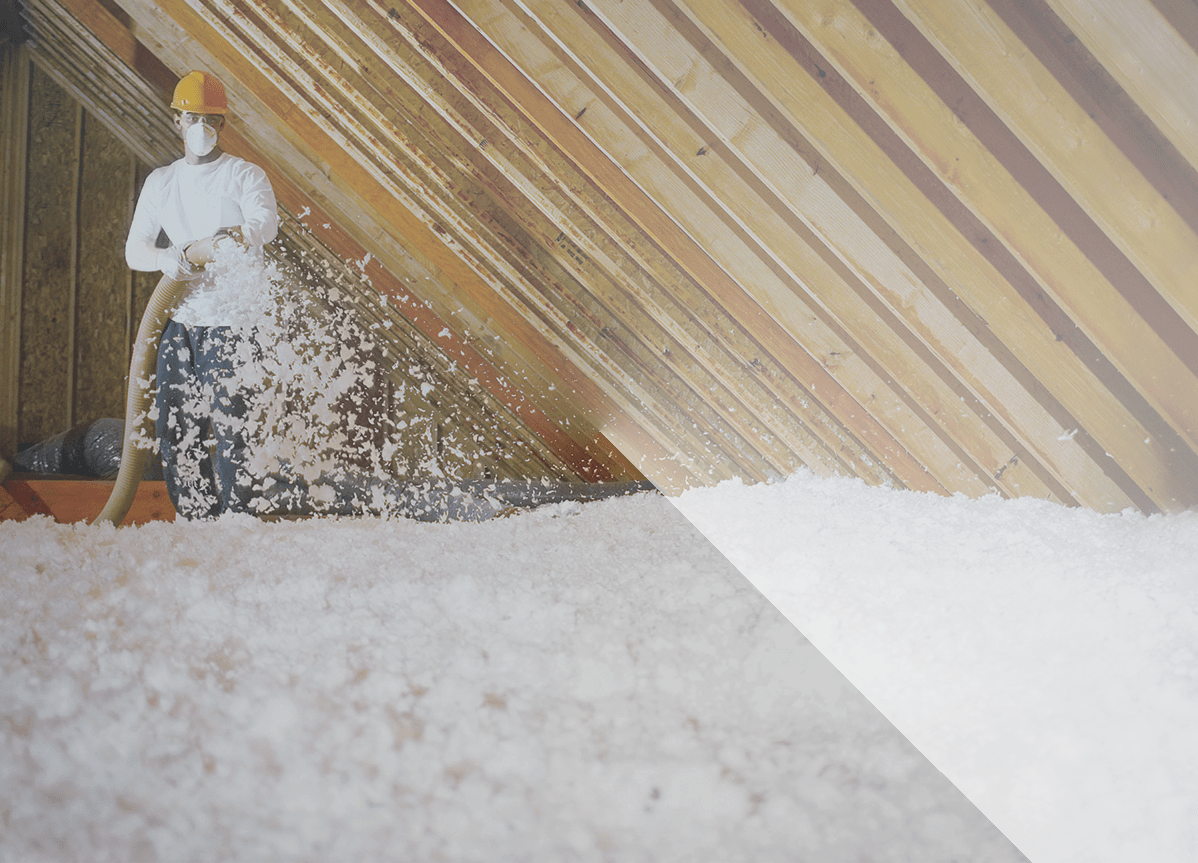
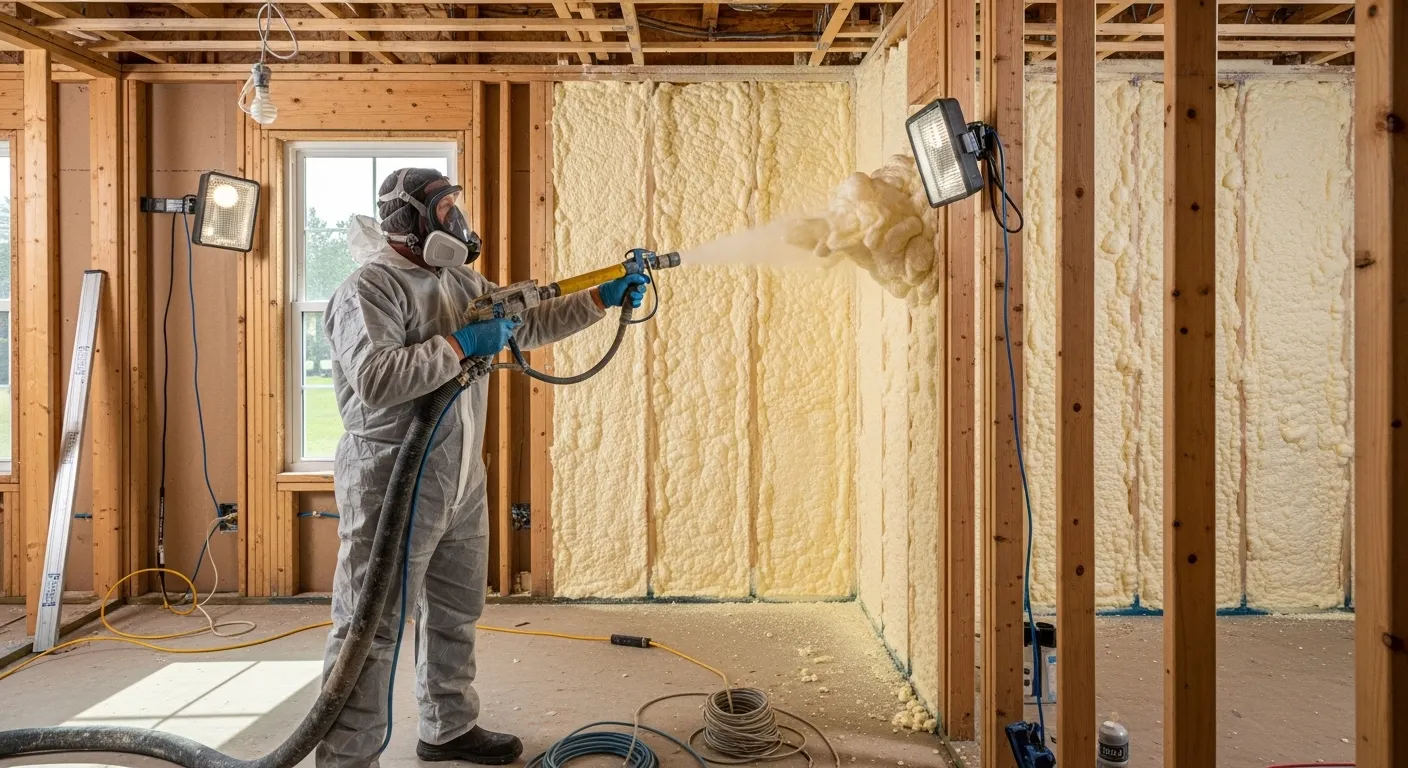
Blown-in insulation uses loose-fill fibers, typically cellulose or fiberglass, which are installed into cavities using a specialized machine. This method creates a custom fit around obstructions like pipes and electrical wires, settling into small spaces that batts cannot reach.
The Role of Blown-In Insulation R-Value
The effectiveness of any material is measured by its thermal resistance, known as the R-value. A higher number indicates better heat flow control for your home. You should compare these values to see which product provides the most protection for your budget.
| Material Type | Typical R-Value per Inch | Best Application |
|---|---|---|
| Fiberglass Batts | 3.1 to 3.5 | Open wall cavities |
| Blown-In Fiberglass | 2.2 to 2.9 | Attic floors |
| Blown-In Cellulose | 3.2 to 3.8 | Attic floors and walls |
Factors to Consider Before Starting Your Project
Your attic condition plays a major role in your final choice. If you have many irregular shapes or structural braces, batts often leave gaps where heat escapes. Those small air leaks add up over time and increase your monthly utility costs.
Consider the moisture levels common in Eugene. While fiberglass does not absorb water, it can lose effectiveness if compressed or moved. Cellulose often includes borate treatments that help with pest resistance and fire safety, which is a common concern for many homeowners.
- Check your existing depth of material before adding more.
- Seal all air leaks around recessed lights and vent pipes.
- Ensure your attic has proper ventilation to prevent moisture buildup.
- Think about future repairs that might require moving the insulation.
Bonus Tips for Homeowners
H5: Inspect Your Ductwork
Always seal your heating and cooling ducts before adding new insulation to your attic. Leaky ducts waste energy and often cause the new material to shift or blow away.
H5: Watch for Settlement
Loose-fill materials settle slightly over time. Account for this by installing slightly more than the minimum depth to maintain your target R-value.
Regional Considerations for Local Residents
Eugene experiences cool, damp winters that demand high-quality thermal protection. Many local homes feature older framing styles that make standard batts difficult to install correctly. Using blown-in insulation often yields better coverage in these older structures because the fibers conform to the original framing.
When comparing your options, consider the coverage you actually need. Installing enough material to reach the current building code standard for the Pacific Northwest keeps your interior comfortable year-round. Consistent coverage stops ice damming and prevents uneven temperatures across your ceilings.

Reaching Out for Professional Guidance on Insulation Services
Deciding on the right material requires a look at your specific home's attic or wall structure. If you need help evaluating the best path forward, reaching out to local experts is a smart first step. Companies like All Foam & Insulation, LLC, help residents determine the right thermal solution based on house age and size. You can email them at [email protected] or call them at (541) 826-9600 for a free project quote. They are located in the region and understand the local building requirements well.
Answers to Common Questions About Home Insulation Choices
Does Blown-In Insulation Settle Over Time?
Yes, loose-fill materials settle by a small percentage after installation. Installers account for this by calculating the settled depth to ensure the final R-value meets your targets.
Can You Install New Insulation Over Existing Batts?
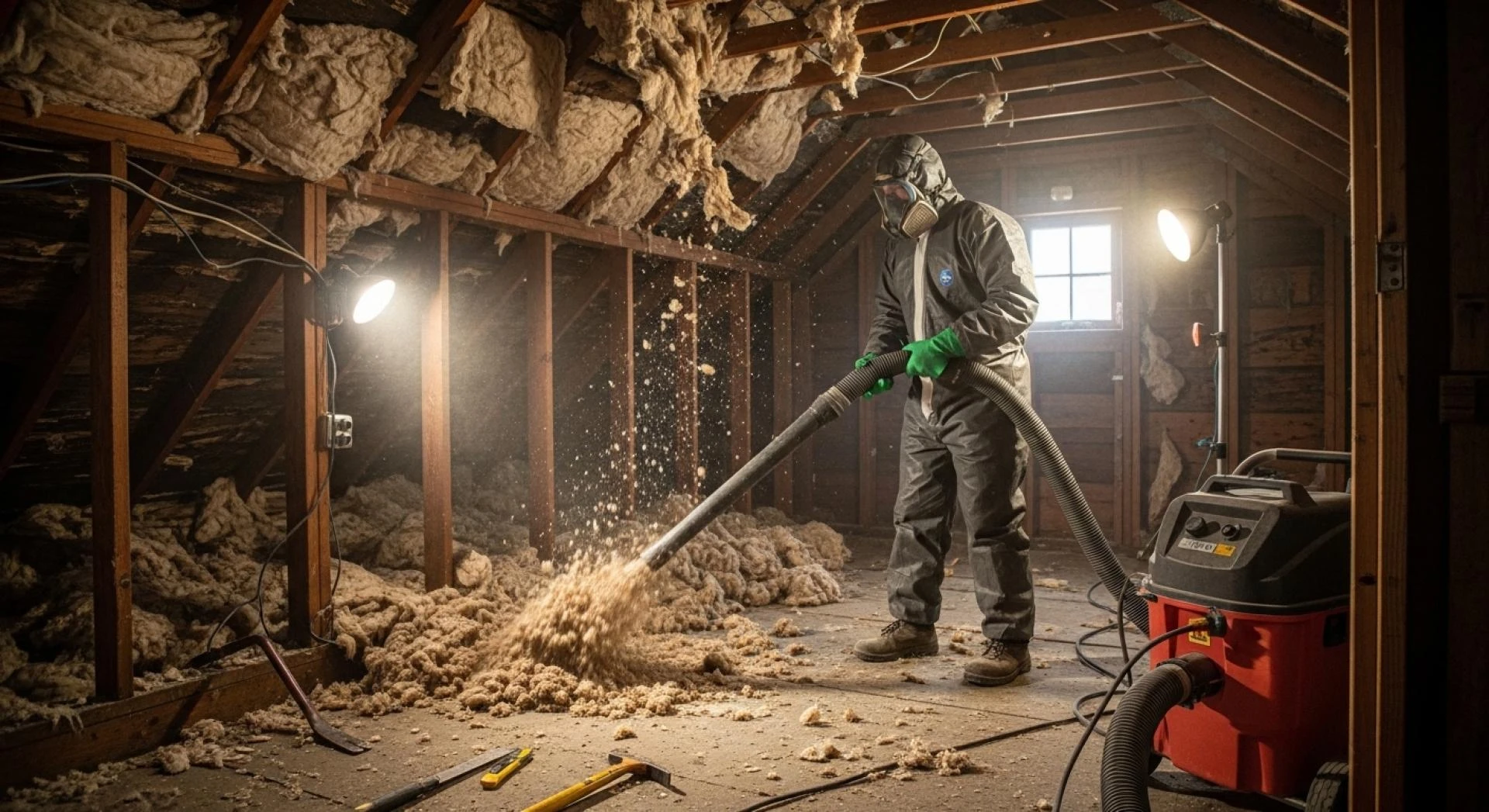
You can usually add loose-fill over older batts if the existing material is in good condition. This creates a uniform layer that fills gaps and stops heat leaks effectively.
Which Material Is Better for Soundproofing?
Both options offer decent acoustic dampening, but dense-packed blown-in cellulose often performs better at reducing exterior noise. Its higher density helps block sound waves more efficiently than lightweight fiberglass.
How Often Should You Replace Your Insulation?
You do not need to replace insulation unless it is damaged by water, mold, or pests. If the material is clean and dry, simply adding a new layer can bring your home up to modern standards.
Is It Possible to Do This Installation Without a Pro?
You can rent equipment, but professional installers provide better results. They ensure even coverage and avoid blocking critical attic vents that are necessary for proper roof health.
Summary of Thermal Improvement Goals
Choosing between these methods requires a balance of cost and performance. Batts offer simplicity for open areas, while blown-in products fill tight spaces to eliminate air leaks. Prioritize sealing your attic before installing any material to get the most value. Always check your local climate needs and consult with experts to confirm your home meets modern energy standards. Proper planning ensures a warm, efficient living environment through every season.























Sign in to leave a comment.