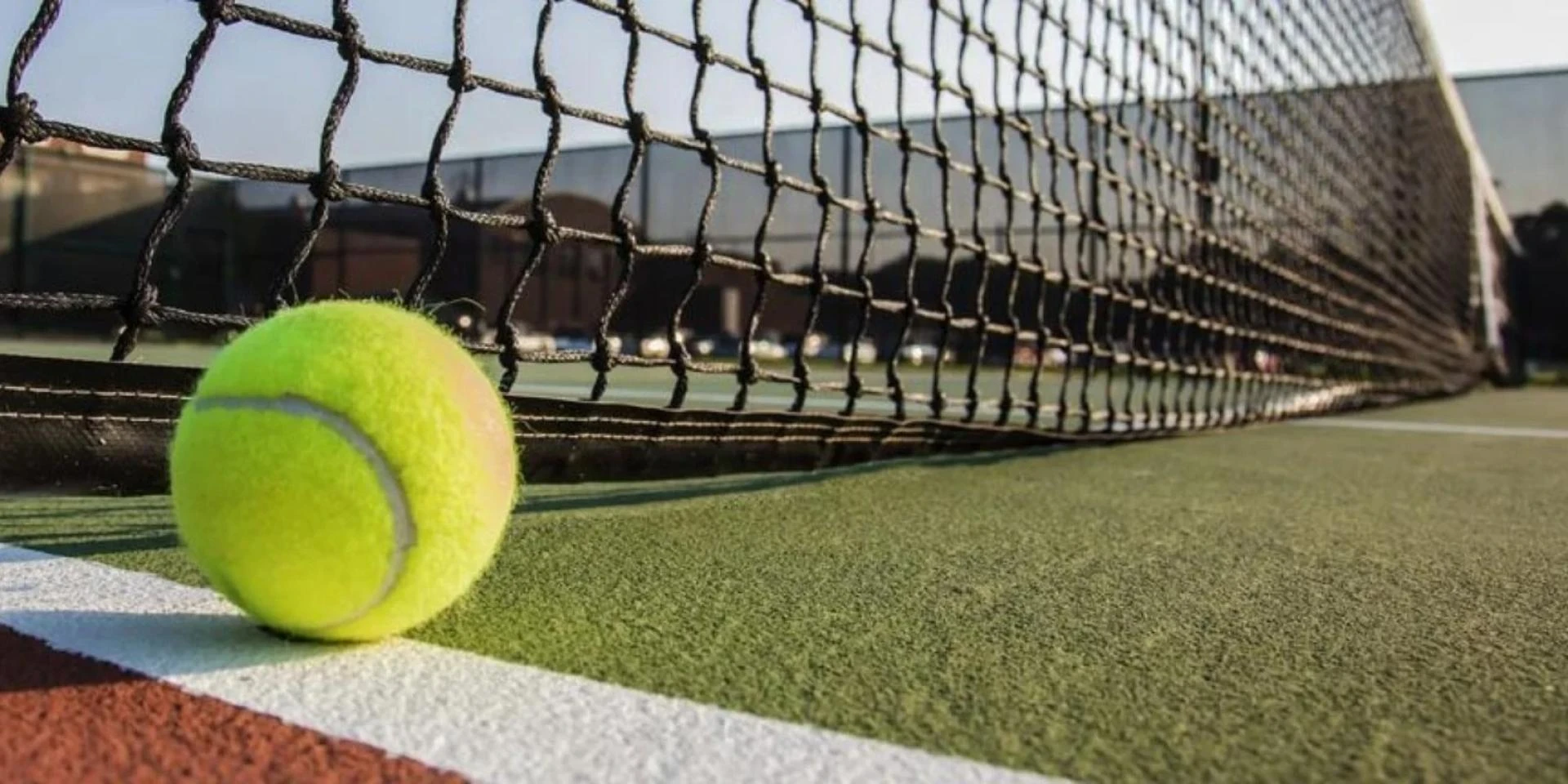
In tennis court construction, resurfacing has become a key component in Georgia. There are many factors behind that corrosion, and they include extreme heat, heavy rainfall, and significant temperature fluctuations augmenting that surface degradation.
Compromising with tennis court resurfacing can boomerang, as minor surface issues will escalate into costly structural damage to the court's foundation later on.
Market drivers and demands of Georgia’s climate
According to experts in the industry of tennis court construction, when summer peaks, the wide-ranging swings of temperature can cause the substrate to expand and compress. This will trigger cracking and brittleness in the acrylic layers.
During winter and the rainy season too, high humidity and heavy rain will cause water to seep into small cracks. When that water freezes during cooler months, it leads to heaving and eventual breaking of the underlying asphalt or concrete.
Another factor making tennis court resurfacing necessary stems from the intense summer and the high UV emission from the Georgia sun that degrades the protective coatings and paints. This further erodes the lifespan and playability of tennis court surfaces. These factors require mitigation from prudent maintenance plans and time-bound court resurfacing schedules.
Southeastern Tennis as a solution provider
Among the tennis court construction solution providers in Georgia, Southeastern Tennis Courts is a prominent provider with six decades of market experience with expertise in repair technologies and comprehensive service offerings.
Southeastern Tennis Court is also an industry leader in converting existing tennis courts into pickleball courts.
It has developed a proprietary crack repair system that addresses recurring cracks and losses. The unique, four-part repair system has layers of tape, fabric, and fiberglass to prevent repeat cracks.
The Full Depth Reclamation (FDR) is popular for dismantling old pavement to build a stable, homogeneous base and placing new asphalt layers.
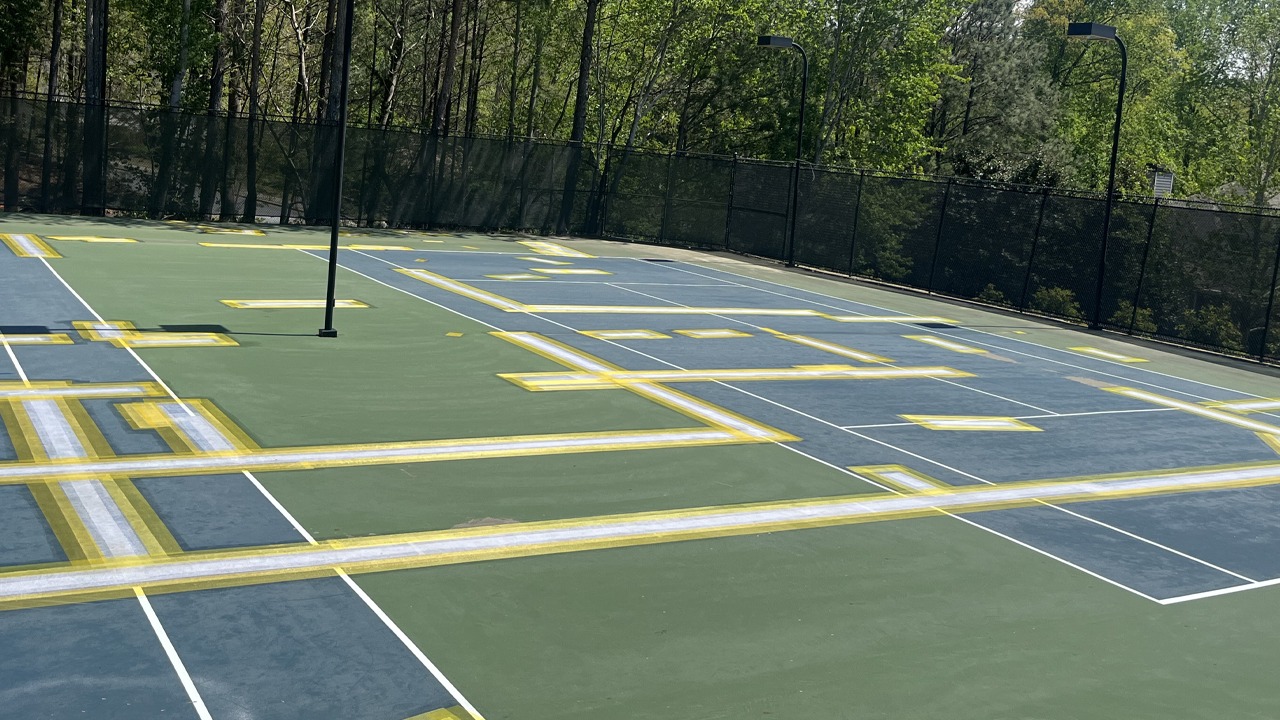
The company also offers a 5-year warranty on tennis court construction and surface durability. At the tennis court infrastructure solutions front, Southeastern provides court lighting, fencing, and other tennis court supplies and equipment.
In addition to tennis court resurfacing, it has also been a specialist player on 100 percent acrylic coatings with proven workmanship.
Importance of tennis court resurfacing
Investing in tennis court construction, especially resurfacing, garners long-term benefits, including protection from environmental damage to the foundation. It is advised that all active tennis courts go for resurfacing every 4 to 7 years and avoid full-scale reconstruction.
The benefits are multifarious; the main part is reclaiming the surface texture ends the slippery issue. Since acrylic coatings restore traction, the perils of water piling up in low spots causing tripping hazards can be effectively addressed.
From a cost point of view too, tennis court resurfacing is far cheaper than a full-scale rebuild of the tennis court. There is a cost cushion of more than 80 percent compared to total reconstruction, as resurfacing salvages the base of the court provided you have the best construction provider.





















Sign in to leave a comment.