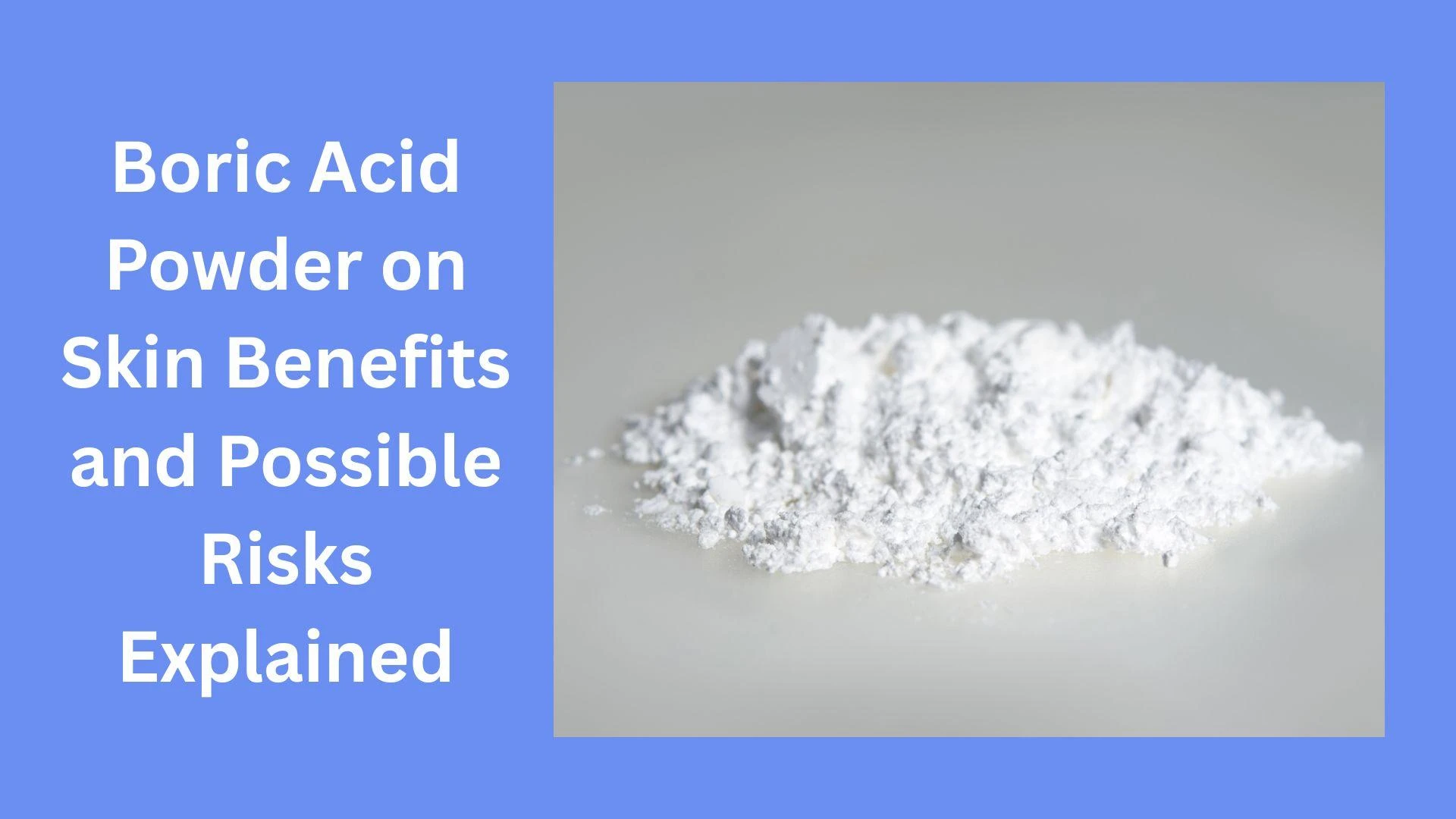

Boric acid powder has long been used in various medicinal and household applications due to its antiseptic, antifungal, and antibacterial properties. In recent years, it has gained popularity in the realm of skincare, where users explore its potential for treating common skin concerns. However, alongside its benefits, there are legitimate safety concerns that must be understood. In this comprehensive guide, we delve deep into the benefits and possible risks of using boric acid powder on skin, giving you an informed understanding of this potent compound. For more detailed insights and comparisons, refer to this article on boric acid powder on skin.
What is Boric Acid Powder?
Boric acid powder is a white, crystalline substance derived from boron. It naturally occurs in volcanic areas, seawater, and certain minerals. In the pharmaceutical and cosmetic industries, it is refined and formulated for medical-grade applications. It is widely used in:
- Antiseptics
- Antifungal treatments
- Pest control solutions
- Eye washes
- Skincare remedies
Its chemical composition (H₃BO₃) gives it the ability to combat fungal and bacterial infections, making it a viable treatment for various dermatological issues.
Top Benefits of Using Boric Acid Powder on Skin
1. Effective Antifungal Properties
One of the most significant benefits of boric acid powder on skin is its strong antifungal action. It has been extensively used to treat fungal infections such as:
- Athlete's foot
- Ringworm
- Candidiasis
- Yeast infections in skin folds
By altering the pH of the affected area, boric acid creates an environment where fungi cannot thrive, promoting faster healing.
2. Treats Acne and Blemishes
Boric acid possesses mild astringent and antibacterial properties, making it an effective spot treatment for acne-prone skin. It can help to:
- Reduce inflammation around pimples
- Inhibit bacterial growth in clogged pores
- Prevent future breakouts
Applied in diluted form, it acts gently while still clearing the skin of microbes that worsen acne.
3. Alleviates Eczema and Psoriasis Symptoms
Individuals suffering from eczema or psoriasis often report temporary relief when using diluted boric acid solutions. It can:
- Calm itchiness and irritation
- Minimize redness and swelling
- Dry out weeping lesions caused by eczema
However, such usage must be monitored by a dermatologist to avoid long-term skin barrier disruption.
4. Aids in Wound Healing
Thanks to its antiseptic qualities, boric acid can support the healing of minor wounds, cuts, and burns. It:
- Disinfects the affected area
- Prevents infection
- Promotes tissue regeneration
Care must be taken to use it in appropriate concentrations, as high doses can delay healing or irritate the skin further.
5. Deodorizing Effects
Boric acid powder has natural deodorizing properties, making it ideal for use in body powders. It effectively combats:
- Odor-causing bacteria
- Sweat-related irritation
- Foot odor and fungal infections
It is often included in foot soaks and body powders for this purpose.
Possible Risks and Side Effects of Boric Acid Powder on Skin
Despite its benefits, the use of boric acid powder on skin should be approached with caution. Misuse or overuse can lead to serious adverse effects.
1. Skin Irritation and Burns
Undiluted or improperly applied boric acid can cause:
- Redness
- Itching
- Burning sensations
- Peeling or blistering
This is especially true for sensitive or broken skin, where absorption is more rapid and potentially harmful.
2. Toxicity Risks
Boric acid is toxic when ingested or absorbed in large quantities through the skin. Symptoms of toxicity may include:
- Nausea
- Vomiting
- Skin rashes
- Convulsions (in extreme cases)
It should never be used on large open wounds, infants, or mucosal membranes without professional guidance.
3. Hormonal Disruption Concerns
Some studies suggest that chronic exposure to boric acid may disrupt hormonal balance. Though evidence in humans is limited, caution is warranted, especially among:
- Pregnant or nursing women
- Children
- Individuals with endocrine disorders
4. Allergic Reactions
Although rare, allergic reactions may occur, including:
- Hives
- Swelling
- Respiratory difficulty
A patch test is recommended before widespread application to rule out any sensitivity.
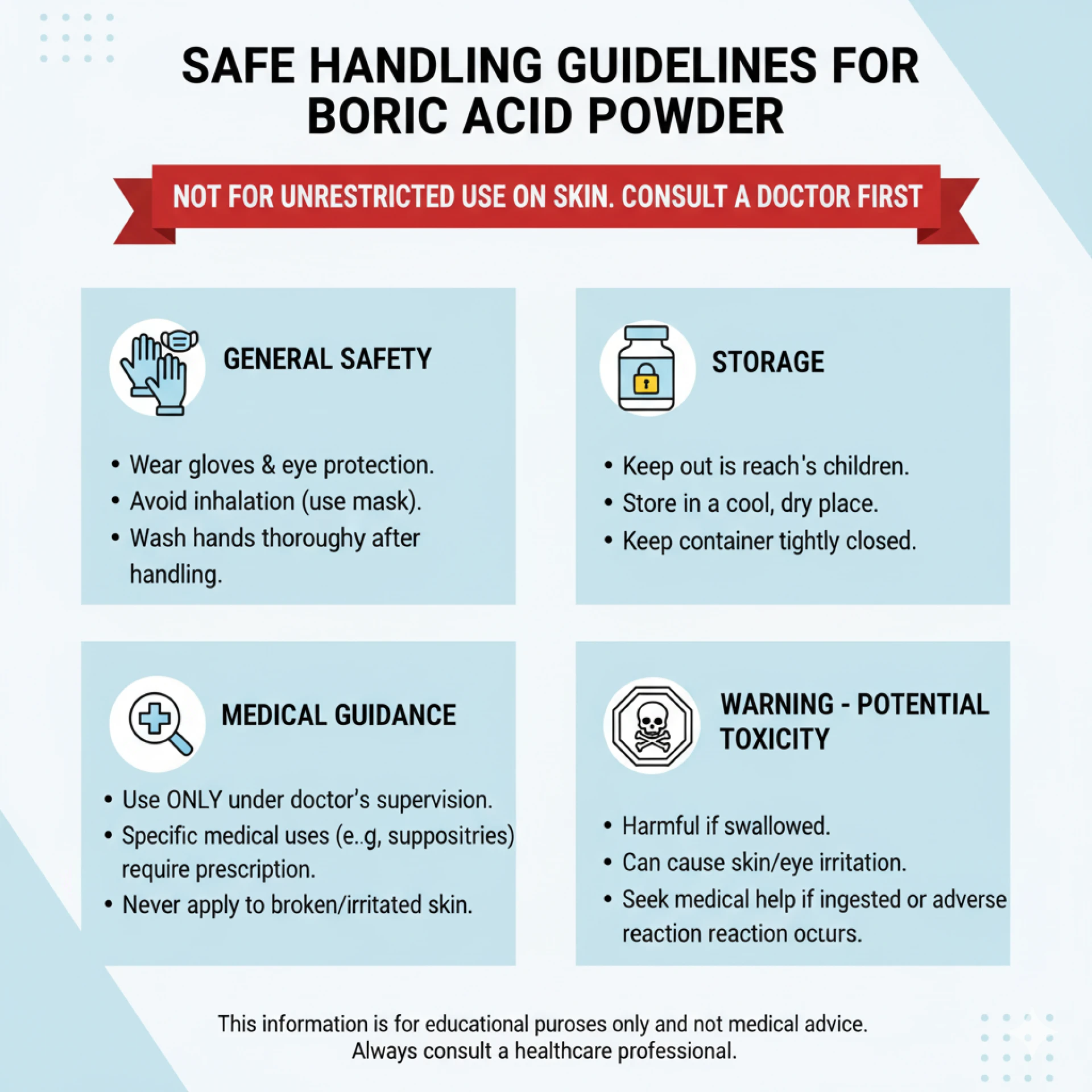
Safe Usage Guidelines for Boric Acid Powder on Skin
To enjoy the benefits while minimizing the risks, it’s important to follow safe application practices:
1. Use Diluted Formulations
Never apply raw boric acid powder directly to the skin. Always dilute it in water or use it as an ingredient in formulated creams or ointments approved for topical use.
2. Avoid Sensitive Areas
Do not use boric acid on:
- Broken skin
- Eyes
- Inside the nose or mouth
- Genitals, unless under medical advice
3. Follow Medical Guidance
Consult a healthcare provider before using boric acid for:
- Chronic skin conditions
- Infected wounds
- Pediatric use
4. Monitor for Side Effects
If irritation, rash, or unusual symptoms develop, discontinue use immediately and consult a medical professional.
Popular Products Containing Boric Acid for Skin
Several over-the-counter skincare products incorporate boric acid in safe, effective formulations:
- Antifungal powders and sprays
- Foot soaks
- Medicated creams for athlete’s foot
- Eye washes (in extremely diluted form)
Always choose products from reputable brands that clearly label boric acid concentration and usage instructions.
Final Thoughts
Boric acid powder on skin offers a range of medically-backed benefits, from treating fungal infections to promoting minor wound healing. However, its potential for toxicity and irritation means that caution is crucial. Use it in moderated, diluted, and professionally recommended forms to ensure skin health and safety.
For those looking to integrate it into their skincare routine, we strongly recommend consulting a dermatologist, performing patch tests, and using regulated formulations designed for topical use.
If used responsibly, boric acid can be a powerful ally in managing various skin concerns. But misuse can lead to more harm than good — so always prioritize safety and evidence-based practice.































Sign in to leave a comment.