In the world of aesthetics, few treatments have achieved the global recognition and trust that botox injection treatment has. Known primarily for its ability to soften wrinkles and restore a youthful look, Botox is one of the most popular non-surgical cosmetic procedures worldwide. However, what many people don’t realize is that Botox’s scope extends beyond beauty — it is also a medically approved therapy for several neurological, muscular, and functional conditions.
Whether you're curious about Botox for cosmetic enhancement or for medical treatment, this guide explains everything you need to know about how it works, what to expect, benefits, safety, cost, and results.
What Exactly Is Botox?
Botox is a purified protein derived from Clostridium botulinum, used in controlled medical doses to temporarily relax specific muscles. When injected into targeted areas, it blocks nerve signals responsible for muscle contraction, allowing the treated muscles to soften.
This controlled muscle relaxation:
- Reduces appearance of dynamic wrinkles
- Prevents future line formation
- Enhances facial symmetry
- Produces smoother and younger-looking skin
Botox has been FDA-approved for both cosmetic and therapeutic use for over two decades.
How Does Botox Injection Treatment Work?
Facial expressions such as smiling, squinting, and frowning create repetitive muscle movements. Over time, these actions etch fine lines and wrinkles into the skin. As collagen decreases with age, these lines become more visible.
Botox works through a neuromodulating mechanism:
- Blocks acetylcholine release
- Prevents muscle contraction
- Relaxes the targeted muscle
- Softens wrinkles and lines
The result is natural rejuvenation without surgery, fillers, or invasive procedures.
Cosmetic Uses of Botox: More Than Just Wrinkle Reduction
The most well-known application of botox injection treatment is for anti-aging. Popular treatment areas include:
- Forehead horizontal lines
- Glabellar lines (frown lines between brows)
- Crow’s feet (around eyes)
- Bunny lines (nose wrinkles)
- Lip lines and smoker lines
- Chin dimpling (orange peel chin)
- Neck bands
- Eyebrow lifting
Additionally, Botox has gained traction in advanced facial sculpting techniques such as:
- Masseter reduction (jaw slimming) — softens a square jawline
- Gummy smile correction — relaxes upper lip elevation
- Lip flip — enhances lip shape without filler
- Brow lifting — enhances lift and symmetry
These refined uses highlight how Botox is no longer just about wrinkle removal, but about balanced and natural facial aesthetics.
Medical Applications of Botox
Beyond cosmetic beauty, Botox is widely used in clinical medicine to manage conditions caused by muscle hyperactivity or nerve dysfunction.
Approved medical uses include:
- Chronic migraines
- Cervical dystonia
- Hyperhidrosis (excessive sweating)
- Bruxism (teeth grinding)
- Spasticity disorders
- Overactive bladder
- Strabismus (eye misalignment)
- Blepharospasm (eyelid twitching)
Botox can significantly improve comfort, quality of life, and daily functioning in patients with these conditions.
Treatment Procedure: What Patients Can Expect
Botox sessions are often described as quick, simple, and convenient. Here’s how the process works step-by-step:
1. Consultation
A practitioner evaluates:
- Treatment goals
- Facial anatomy
- Medical history
- Symmetry analysis
- Dosage requirements
Customization is key for natural results.
2. Preparation
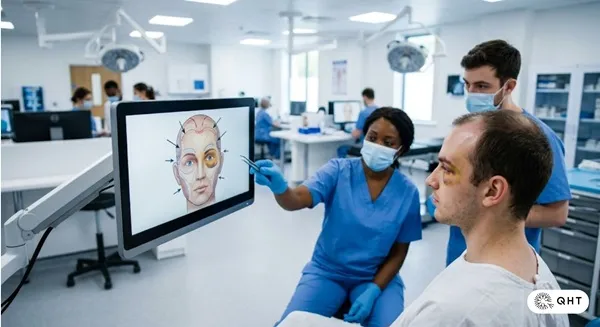
The skin is cleansed and mapped for injection points. Topical numbing may be used, although most patients tolerate the procedure well.
3. Injection
Using extremely fine needles, Botox is placed into specific muscle groups. The entire appointment typically lasts 10–20 minutes.
4. Aftercare
Patients can return to daily activities immediately with minor precautions:
- Avoid rubbing treated areas
- Stay upright for 3–4 hours
- Avoid heavy workouts for 24 hours
Results: Onset, Duration & Maintenance
Botox does not show instant results. Typical timelines include:
- Day 3–5: Early softening
- Day 10–14: Full effect
- 3–6 months: Duration of results
Maintenance sessions twice a year help sustain and even enhance effects over time. Preventative Botox is popular among younger adults to delay formation of static wrinkles.
Advantages of Botox Injection Treatment
Botox remains in high demand for many reasons:
- Non-surgical & minimally invasive
- No incision or scarring
- Natural facial expression is preserved
- Short appointment time
- No downtime
- Highly customizable
- Enhances confidence & facial harmony
- Treats both cosmetic & medical needs
For patients who desire rejuvenation without aggressive procedures, Botox is an ideal choice.
Safety, Side Effects & Considerations
Botox is considered extremely safe when performed by licensed and trained medical professionals. Common temporary side effects include:
- Mild redness
- Swelling
- Bruising
- Headache
- Tenderness at injection site
Rare risks (such as eyelid drooping) are usually temporary and correctable.
Patients who should avoid Botox include:
- Pregnant or breastfeeding women
- Individuals with neuromuscular diseases
- Those with active infections in the treatment area
A qualified practitioner will assess suitability and discuss potential risks.
Botox vs Dermal Fillers: Key Differences
Patients often confuse Botox with fillers, but the two serve different purposes.
| Feature | Botox | Fillers |
|---|---|---|
| Purpose | Muscle relaxation | Volume restoration |
| Best For | Dynamic wrinkles | Static wrinkles & volume loss |
| Results | 3–6 months | 6–18+ months |
| Onset | 3–14 days | Immediate |
Both can be combined for a more comprehensive facial rejuvenation plan.
Who Is an Ideal Candidate for Botox?
You may be a good candidate if you:
- Want a non-surgical anti-aging solution
- Have fine lines or dynamic wrinkles
- Seek medical relief (migraines, sweating, bruxism)
- Prefer minimal downtime
- Want preventative aging treatment
Botox appeals to both men and women across multiple age groups.
Conclusion
The botox injection treatment offers a unique blend of cosmetic enhancement and medical relief, making it one of the most versatile therapies in modern aesthetics and healthcare. With its ability to refresh appearance, restore facial harmony, and manage complex medical conditions, Botox remains a leading non-surgical solution backed by years of clinical research and high patient satisfaction.






















Sign in to leave a comment.