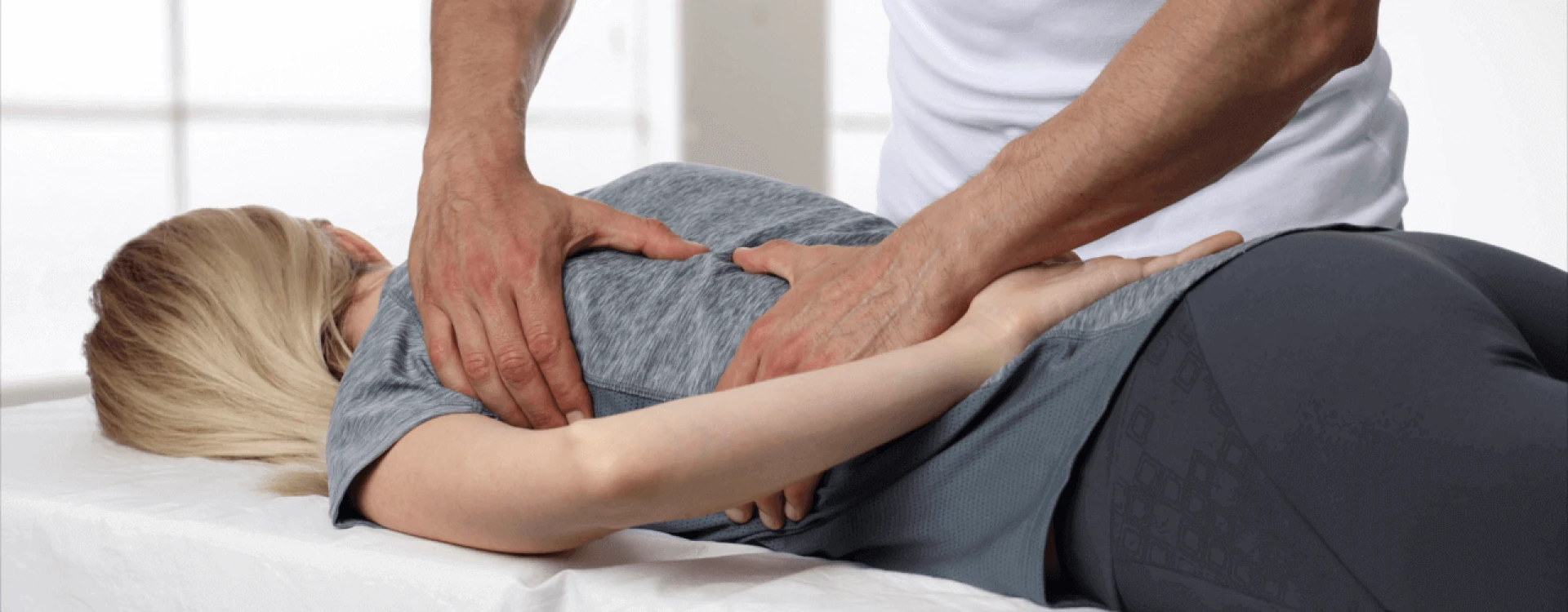

Bowel or bladder dysfunction is more common than many people realize, yet it often goes unspoken due to embarrassment or uncertainty about where to seek help. These conditions can significantly affect daily life; interrupt work and social activities, and impact confidence. Individuals may experience urinary leakage, constipation, sudden urges, or difficulty emptying the bladder or bowels. Understanding bowel or bladder dysfunction and exploring effective treatment options is essential to restoring comfort and quality of life.
What Is Bowel or Bladder Dysfunction?
Bowel or bladder dysfunction refers to conditions that interfere with the normal storage and release of urine or stool. Symptoms may include incontinence, frequent urges, constipation, bowel leakage, or discomfort during elimination. These issues can appear gradually or suddenly depending on the underlying cause. While occasional changes in habits may be normal, persistent symptoms are a signal that professional evaluation such as from a physical therapist Westchester is necessary. Early intervention can prevent further complications and improve daily comfort.
Common Causes of Bowel or Bladder Dysfunction
The causes of bowel or bladder dysfunction are often multifactorial. Understanding these factors is crucial to finding effective solutions.
- Pelvic Floor Muscle Dysfunction
The pelvic floor muscles provide essential support to the bladder and bowel. Weak, tight, or uncoordinated muscles can lead to urinary leakage or difficulty emptying. Pelvic floor imbalance often occurs gradually, sometimes unnoticed until symptoms become disruptive.
- Pregnancy and Childbirth
Pregnancy places pressure on the pelvic region, and vaginal delivery can stretch or injure muscles and nerves. These changes may result in temporary or ongoing bowel and bladder issues that require targeted rehabilitation.
- Aging
Muscles naturally lose strength and elasticity as we age, which can compromise control over the bladder and bowel. Both men and women may experience increased frequency, urgency, or incontinence due to these changes.
- Neurological Conditions
Diseases like multiple sclerosis, stroke, or spinal cord injuries can interfere with signals between the brain and pelvic organs. This disruption can lead to sudden urges, incomplete emptying, or incontinence.
- Lifestyle Factors
Diet, hydration, physical activity, and chronic stress affect bowel and bladder health. For instance, persistent constipation strains pelvic muscles, worsening symptoms and reducing overall control.
Treatment Options for Bowel or Bladder Dysfunction
Managing bowel or bladder dysfunction usually involves a combination of lifestyle changes, targeted therapy, and, when needed, medical interventions. This approach addresses both symptoms and underlying causes. Early and consistent treatment can significantly improve daily comfort and quality of life.
Lifestyle and Behavioral Changes
Simple adjustments such as eating a fiber-rich diet, staying hydrated, limiting bladder irritants like caffeine, establishing regular bathroom routines, and maintaining proper posture during elimination can significantly improve symptoms.
Pelvic Floor Physical Therapy
A physical therapist Westchester can assess pelvic muscle function and design a personalized program. Therapy may include strengthening exercises, relaxation techniques, biofeedback, and posture training, all aimed at restoring control and coordination.
Bladder Training
Bladder training gradually increases the time between bathroom visits to improve bladder capacity and reduce urgency. Programs like bladder control therapy Westchester often combine this method with pelvic floor exercises for optimal results.
Medical Management
When lifestyle changes and therapy aren’t enough, medications may be prescribed to manage overactive bladder, urinary urgency, or constipation. These treatments help relax muscles, improve bowel movements, or reduce bladder spasms. They should always be used under a healthcare professional’s guidance to ensure safety and effectiveness. Combined with physical therapy, medications can significantly improve daily comfort and control.
Surgical Options
Surgery is considered only when conservative treatments fail to provide relief. Procedures may involve supporting the bladder, repairing pelvic structures, or correcting prolapse. Minimally invasive or traditional approaches are selected based on the severity of symptoms. Postoperative rehabilitation, including pelvic floor therapy, helps restore function and prevent recurrence.
Daily Life Tips and Long-Term Management
In addition to formal treatment, small daily habits play a key role in maintaining bowel and bladder health. Avoid delaying bathroom visits for long periods, practice gentle pelvic floor exercises consistently, use proper lifting techniques to reduce strain, and manage stress to prevent muscle tension and digestive issues. Physical therapy focuses on the root cause, ensuring sustainable improvement and minimizing recurrence.
Conclusion
Bowel or bladder dysfunction can be challenging, but it is manageable with the right guidance and strategies. Recognizing early signs, understanding causes, and seeking care from professionals such as those offering bladder control therapy Westchester or PT Westchester services can significantly improve quality of life. Combining lifestyle adjustments, targeted physical therapy, and medical interventions provides a comprehensive approach to restoring control, confidence, and independence.
For more information about managing bowel or bladder dysfunction, visit:
https://dramrutainamdar.com/services/bladder-and-bowel-dysfunction/



























Sign in to leave a comment.