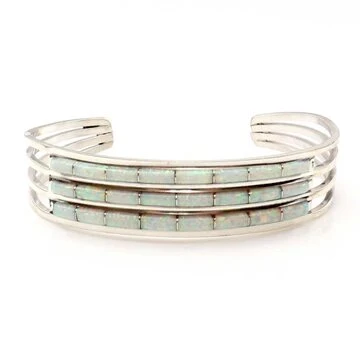

This article delves into some qualities of Native American bracelets - a beautiful ornament that honors history on your wrist!
The art of crafting jewelry is an ancient tradition that reflects the culture, history, and creativity of its people. Native American bracelets stand out as a timeless symbol of artistry and heritage, blending intricate designs with profound cultural significance. These bracelets, adorned with unique patterns and meaningful symbols, are more than just decorative pieces; they are an ode to the stories and traditions of Native American tribes. Wearing one is akin to carrying a piece of history and spirituality on your wrist.
A Rich Historical Legacy
The history of Native American jewelry dates back thousands of years, with bracelets playing a central role in this legacy. Indigenous tribes such as the Navajo, Hopi, and Zuni have long used natural materials like turquoise, silver, wood, and bone to create exquisite jewelry. These pieces were not merely for adornment but were imbued with cultural significance.
For many Native American tribes, bracelets symbolized spiritual protection, status, or tribal identity. Turquoise, a prominent element in Native American bracelets, was revered as a stone of healing and spiritual connection. Each bracelet was painstakingly crafted, reflecting the artisan's unique vision and the cultural motifs of their tribe.
Materials That Tell a Story
One of the most captivating aspects of Native American bracelets is their use of natural materials. Each material has its own symbolic meaning and connection to the natural world:
·Turquoise: Known as the "stone of life," turquoise holds immense cultural significance. Its vibrant blue-green hues symbolize sky, water, and life, and it is believed to bring protection and good fortune to its wearer.
·Silver: The Navajo are particularly renowned for their silversmithing, a craft introduced to them in the mid-19th century. Silver's reflective surface often complements the brilliance of turquoise, creating strikingly beautiful designs.
·Coral and Shell: Often used in Zuni and Hopi designs, coral and shell add a splash of color and represent water and fertility in Native American culture.
·Beads and Natural Fibers: Some tribes use beads or woven materials to craft bracelets, emphasizing their connection to the earth and its resources.
Designs That Speak of Culture and Belief
The intricate patterns on Native American bracelets often represent deep cultural stories and beliefs. Geometric shapes, animal motifs, and symbols of nature are common elements.
·The Sun and Stars: Many designs include celestial motifs, reflecting the importance of cosmic cycles and spiritual harmony.
·Animals and Totems: Animals like bears, eagles, and wolves often appear in bracelet designs, symbolizing strength, wisdom, or guardianship.
·Geometric Patterns: Symmetrical patterns and intricate etching reflect the balance and interconnectedness of life, a key principle in Native American spirituality.
Each tribe has its distinct style and technique, making every bracelet a unique masterpiece. The Navajo are celebrated for their bold silverwork and turquoise inlay, the Zuni excel in detailed stone mosaics, and the Hopi are known for their overlay techniques featuring intricate cutouts.
Wearing History with Pride
Owning a Native American bracelet is more than owning a piece of jewelry—it is embracing a cultural narrative that spans centuries. Whether paired with casual attire or worn as a statement piece, these bracelets serve as a reminder of the rich traditions and deep connection to nature that Native American tribes hold dear.
For enthusiasts and collectors, wearing a Native American bracelet is a way of honoring the incredible skill and creativity of its makers. For others, it might be a talisman of protection or a source of spiritual comfort.
Summing up, Native American bracelets are more than beautiful ornaments; they are a celebration of a vibrant cultural legacy. Let these bracelets serve as a bridge between the past and the present, connecting us to the timeless traditions of Native American tribes while adding an unmatched elegance to modern fashion.


























Sign in to leave a comment.